

























































A former federal equity officer named on a conservative watchlist has sued the Department of Health and Human Services and its secretary, arguing his firing last summer amounted to illegal racial discrimination. Dia Harris, 53, who served as chief equity officer for the Administration for Children and Families at the time of Donald Trump’s election, is asking a court to reinstate him and award back pay.
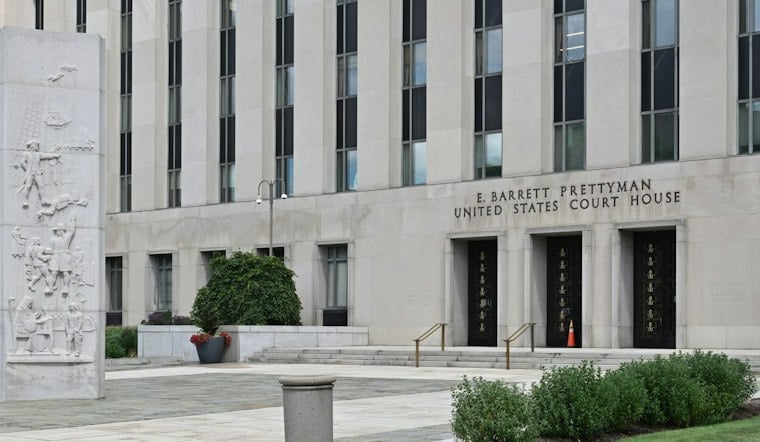
Harris sued last week in the U.S. District Court for the District of Columbia, according to The Washington Post. The lawsuit names HHS and Secretary Robert F. Kennedy Jr. as defendants, and it alleges that Harris’s firing violated civil rights law. His attorneys claim most of his white colleagues who performed similar work kept their federal jobs while Harris, who is Black, was dismissed.
Before he was terminated, Harris was placed on administrative leave after being listed on the so-called DEI Watchlist, the lawsuit states. HHS spokesperson Emily G. Hilliard told the paper the agency does not comment on active litigation.
How the Watchlist Targeted Equity Staff
The site identifying Harris was created by the American Accountability Foundation and identifies federal civil servants who worked on diversity programs at HHS, according to a report from E&E News. The outlet found the watchlist had grown fast, expanding from just ten dossiers at its end-of-January 2025 launch to roughly 50 entries, the majority targeting women and employees of color.
Allison Schuster has defended the broader purge of diversity jobs, saying DEI ran rampant during the Biden administration and that Americans paid the price through a restricted labor pool, higher operational costs and workforce inefficiencies. The watchlist and firings followed an executive order Trump issued to eliminate government diversity, equity and inclusion jobs and programs. That order directed the Office of Management and Budget director, assisted by the attorney general and the Office of Personnel Management director, to coordinate termination of DEI and DEIA mandates across federal agencies, according to the text posted by the White House.
More Than a Year Hunting for Work
Harris’s struggle since his firing has been documented in earlier Washington Post reporting: as of late October, he was on his 368th day without a job and had applied to 561 positions since getting fired from the federal government, the paper reported. The new lawsuit, reported by Post journalist Hannah Natanson, represents his effort to get that job back through the courts rather than the job market.
Federal workforce data underscores the scale of churn Harris’s case sits within. OPM data showed a net loss of nearly 220,000 federal employees since January 2025, according to Federal News Network, while agencies also reported a 75 percent drop in telework hours over roughly the same period. The outlet noted that OPM’s overhauled workforce platform no longer features data on race and ethnicity, which it attributed to Trump’s executive order eliminating DEIA tracking across government.
A Cautionary Precedent From USAID
Harris’s path through district court is not guaranteed to succeed, based on a recent ruling in a comparable case. A federal judge dismissed a lawsuit filed by three former U.S. Agency for International Development employees who were fired after the agency closed its diversity office, according to FedSmith. The judge found that most of those employees’ claims belonged before the Merit Systems Protection Board rather than a federal district court, and dismissed their remaining claims for lacking sufficiently specific facts.
Those three USAID plaintiffs had a combined 43 years of service and were placed on paid leave in January 2025 before being terminated that April in an agency-wide reduction in force, per the same account. Whether Harris’s claims will face similar jurisdictional hurdles, or whether his case will be treated differently given its direct discrimination allegations, remains to be seen. The lawsuit’s outcome has not been determined, and HHS has not responded beyond its standard no-comment policy on pending litigation.




