

























































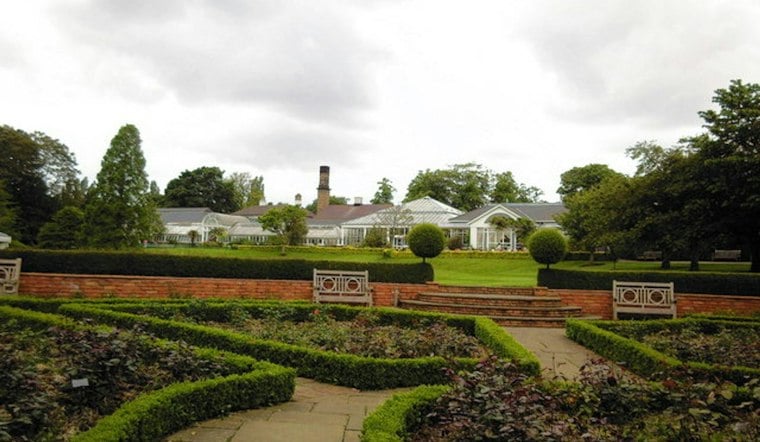
Seventy miniature trees, cultivated by more than 20 hobbyists over decades, are on display this weekend at Birmingham Botanical Gardens for the Alabama Bonsai Society's free annual show. The exhibit runs Saturday, Nov. 7, from 10 a.m. to 5 p.m., and Sunday, Nov. 8, from 10 a.m. to 4 p.m., with visitors invited to vote for their favorite tree.
The show is part of the Alabama Bonsai Society’s ongoing community activity: the group holds an annual exhibition at the gardens and meets monthly for workshops where members share tips and follow their trees’ progress, according to Discover St. Clair. More than 1,000 people are expected to visit over the two days, according to AL.com.
One of the exhibitors is James Baker, 79, who joined the Alabama Bonsai Society in 1980 after developing an interest in bonsai when he left the Army in 1971. He is bringing a Japanese maple about 30 inches tall and more than 30 years old; Baker turns 80 on Dec. 7, according to the AL.com report.
A Maple That Won't Quite Match Last Year's Red
Baker's maple is only beginning to turn red this year, and he does not expect it to be fully colored by showtime. “It was solid red last year,” he said, according to the AL.com report. He is hoping cooler weather will help the foliage turn.
Japanese maples are popular bonsai subjects in part because their leaves shrink along with the rest of the tree as it is reduced in size, the outlet reports. Other species favored by growers include sargent junipers, azaleas and Chinese privets.
A Hobby Measured in Decades, Not Seasons
Baker's collection extends well beyond the one maple making the trip to the gardens this weekend. He keeps 50 to 60 bonsai trees in pots at any given time, with another 50 to 60 growing in nursery cans or plastic tubs before they are potted, AL.com reports. He has said he especially enjoys watching the trees turn green and grow each spring.
Bonsai itself is an art form rather than a type of tree, referring to plants kept in shallow pots and pruned to stay small. The practice involves carefully trimming both branches and roots to keep a tree healthy while maintaining its miniature scale, and bonsai trees are capped at a maximum height of four feet, eight inches, always living in pots or a nurse log container rather than open ground.
That blend of patience and scale is part of what draws newer members into the fold. Bonsai clubs operate in Birmingham, Mobile and Huntsville, and the Aldridge Gardens Bonsai Society hosts its own monthly workshops on the first Saturday, demonstrating pruning and cutting techniques for members.
Decades of Shows at the Same Gardens
This year's exhibit continues a pattern established at previous shows. A 2025 Alabama Bonsai Society display at the same gardens also featured about 70 trees owned by more than 20 members, held free to the public in the Birmingham Botanical Gardens auditorium with the same visitor-voting format, according to a separate AL.com report.
The society's history with the format goes back further still. A 50th anniversary show chronicled by Nebari Bonsai awarded Best in Show to a Chinese Quince bonsai standing about 20 inches tall, one of three Chinese Quince entries in that year's competition.
The Society’s History and the Gardens’ Education Programs
The Alabama Bonsai Society says it was established in 1974 as an educational community focused on Japanese bonsai in central Alabama. Its website also archives photographs of a show at Birmingham Botanical Gardens in May 2022. That documents an earlier exhibition, but does not establish how long the society has held a public show at the gardens or whether earlier shows shared this event’s format. The gardens’ own adult education programs include gardening and native plant studies, according to Birmingham Botanical Gardens. The available information describes those programs separately from the society’s exhibition.




