

























































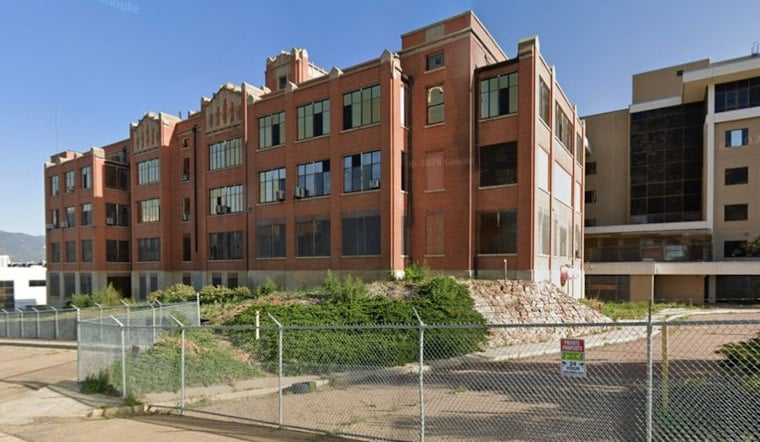
A barbed-wire fence and a 7,000-volt electrified fence now run along the perimeter of the old St. Francis Hospital, the hulking Colorado Springs landmark that has sat empty since 2010. The high-voltage barrier is the latest and most dramatic step in a years-long effort to keep squatters, vandals and curious urban explorers off the nearly block-sized campus east of downtown.
The hospital sits in the Hillside neighborhood, occupying nearly an entire square block off East Pikes Peak Avenue between Institute and Prospect streets, according to the Colorado Springs Gazette. Norwood Development Group, which bought the property in 2014, owns the site. The property has had trespassing and damage, and an electrified fence now runs along its perimeter. The fence is now part of the site's security measures.
A Trail of Break-Ins and a Copper Heist
The push for tighter security followed a string of incidents, including a break-in and copper-stripping robbery that led to four suspects being arrested in 2025, the Gazette's reporting shows. The same reporting describes squatters, vandals and urban explorers occupying and damaging the hospital over the years, along with internal damage from a frozen water pipe that burst inside the building. Neighbors say an alarm now sounds whenever something touches the fence, though those alerts were far more frequent right after installation and have since tapered off; many in the area believe the block is in much better shape than it used to be.
One neighbor, Mike Denham, had reported transients entering and removing items from the abandoned hospital, flagging suspicious activity to both Norwood and city staff. Whitaker acknowledged the campus has had significant problems, even as she said the current security setup has effectively deterred unauthorized access. She also said she personally has not experienced any paranormal activity in the building, despite the ghost stories — including tales of a resident spirit named Charlie — that have attached themselves to the old hospital over the years.
From Tuberculosis Sanatorium to Vacant Landmark
St. Francis traces its roots to 1887, when it opened as a tuberculosis sanatorium and, according to the Gazette, grew into Colorado Springs' first major hospital. It operated for 123 years, eventually providing general medical and acute care before shifting toward psychiatric treatment and hospice services near the end of its run; acute care services were relocated in 1994. The campus grew over time, with the so-called 29 Building opening in 1929 and further expansions in 1965 and 1973, before CommonSpirit built a replacement St. Francis hospital on the city's northeast side in 2008.
Norwood purchased the roughly 9-acre property in 2014 and has said publicly that preserving the building's historical presence is one of the company's values. The Colorado Springs Historic Preservation Board approved a historic resources survey and context plan for the area in October 2025, though that plan describes the future of the 29 Building specifically as uncertain. The hospital also has suspected asbestos in the insulation surrounding its steam pipes, though not throughout the entire structure.
No Timeline, But a Promise to Preserve
Whitaker said Norwood still intends to develop the site eventually, but there's no active development plan in the works right now, and she could not say what might happen there over the next five years. Still, she told the Gazette she is confident that at least the historic portion of the St. Francis campus will be saved from demolition. The company previously leased part of the main building at 30 S. Prospect St. to the Colorado Springs Public Market, which closed after struggling, and both the former St. Francis and neighboring Gazette buildings have at times been used for police and firefighter training exercises.
The lack of a concrete plan has frustrated some neighbors. Daniel Way, president of the Middle Shooks Run Neighborhood Association, said he appealed to Norwood through letters and emails over the preceding year but had not heard an update on the property's fate. A 2025 Change.org petition, started by then-Cheyenne Mountain High School freshman River Feffer, called on Norwood to save the campus and collected more than 500 signatures; the petition drew more than 500 signatures.
What the Fence Has to Comply With
A proposed amendment to Colorado Springs' municipal code would permit battery-charged electric fencing for commercial and industrial uses, subject to requirements that it be enclosed by a nonelectric perimeter fence or wall at least five feet high, with warning signs posted at intervals no greater than 30 feet. Razor wire is permitted for commercial or industrial uses when installed at least six feet above grade.
Norwood, for its part, has also tried a softer approach to the trespassing problem. The company has provided information about local emergency overnight shelters to people found sleeping at the site and has delivered holiday gifts to nearby residents affected by intruders. Meanwhile, new multifamily complexes have sprung up throughout the surrounding neighborhood over the past decade, a reminder of how much has changed around St. Francis even as the hospital itself sits frozen behind its fences.
The nearby former Gazette campus is another vacant property. For now, both properties remain in limbo — guarded, in St. Francis's case, by thousands of volts of deterrent and a company promise that at least part of its history will survive whatever comes next.





