

























































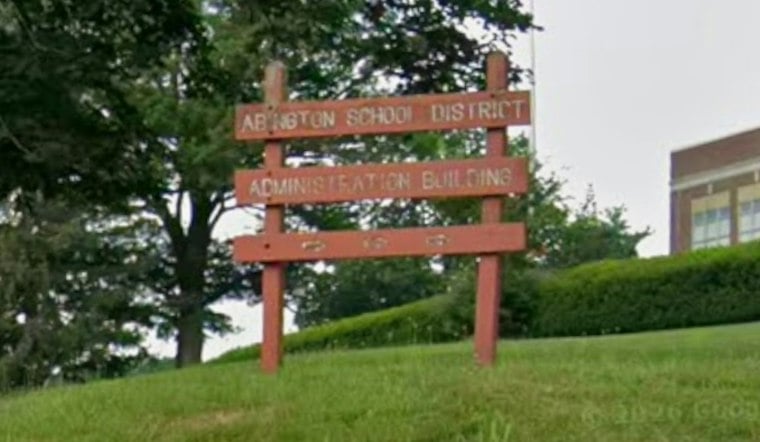
Abington School District released a policy in August that discourages students from using screens during free periods in class, but it stops short of banning technology outright. The guidelines recommend time limits that scale with age, from 75 minutes per week for kindergartners up to 150 minutes per day for high schoolers. Despite that framework, high school students can still use their phones between classes under the current rules.
District Reviews Policy Guidelines
District spokesperson Allie Artur said administrators have already met with principals to go over the policy's guidelines and make sure they're being followed.
The policy does not outright ban use of technology, the Inquirer's reporting notes, even as the district works to tighten how it's applied in classrooms. Looking ahead, Abington plans to form a tech committee, which would include a representative from the parent group Pencils Over Pixels, to consider changes to the screen-time policy for the next school year, per Artur.
Parent Group and Regional Limits
Pencils Over Pixels got its start in the Lower Merion School District, which has gone further than Abington by halting iPad and laptop distribution to students in kindergarten through second grade and adding screen limits for older elementary schoolers.
Abington isn't new to restricting phones. In 2024, the district said it planned to purchase cellphone holders for instructional spaces, where students would place phones in pockets and retrieve them before leaving class. For the 2024-2025 school year, Abington said elementary principals would maintain a rule barring cellphones during the school day, according to the Abington School District. The district noted it would make exceptions for students who need their phones for health or accessibility reasons.
A Regional Shift Away From One-to-One Devices
Abington's approach fits into a broader pattern across the region. Public school districts across the Philadelphia area are placing more limits on technology use and pulling back from one-to-one device programs, the Inquirer's education coverage found. Tredyffrin/Easttown has stopped assigning iPads to kindergartners and no longer sends tablets home with elementary students.
Lower Merion's own device-use policy sets daily caps by grade, from less than 30 minutes for third and fourth graders to less than 120 minutes for high schoolers, according to CNN. The pullback isn't confined to Pennsylvania, either — Portland Public Schools has floated a draft policy with weekly screen limits as low as 45 minutes for kindergartners, and Los Angeles Unified's school board voted in June to ban classroom screens entirely through second grade, per OregonLive.
What the Research Actually Shows
The push for stricter limits is partly fueled by emerging research on phone bans, though the findings come with caveats. A study examining test scores from 3.3 million students in third through 10th grade at 4,600 U.S. schools between 2021 and 2026 found that schools with strict all-day phone bans saw improved math and reading scores, with annual gains that reversed about half the yearly test-score losses students experienced in the years before the pandemic, according to The New York Times.
Still, researchers cited in the Abington story caution that it's too early to draw firm conclusions, and they point to school-issued devices themselves as a potential confounding factor in the data. That caveat matters given how common those devices have become — roughly 96% of public schools reported providing students with their own take-home devices by the 2021-2022 school year, up from around 45% in 2020, per CNN's reporting on the broader anti-tech parent movement.





