

























































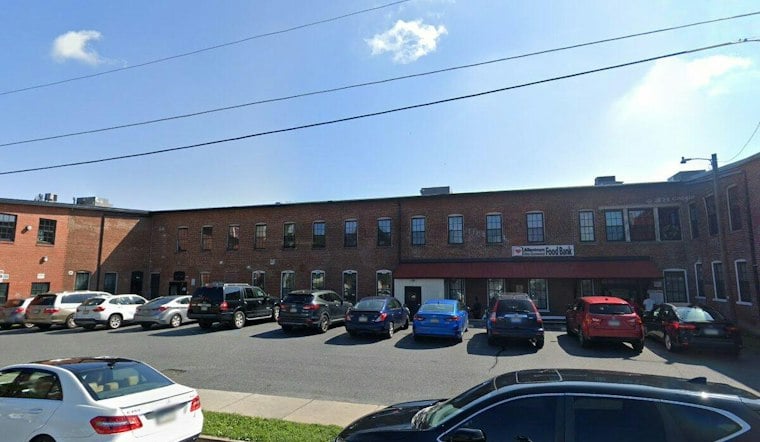
The Allentown Area Ecumenical Food Bank is calling it a crisis: new clients are up 55% over the last two months, supplies are shrinking, and Thanksgiving is 16 days away. Executive Director Anne Eagan says the food bank now serves 2,100 families each month, and she is worried about running out of food before the holiday arrives.
Eagan described the situation bluntly, attributing the strain to federal program reductions, state-level delays, combined food assistance cuts, and the rising cost of living, according to WFMZ. Only 4% of pantry-goers were new clients last year; the number of new clients has increased 55% in the last two months, a shift Anne Eagan says is stretching the food bank's resources thin just as the holiday season begins.
With food supplies running low, the organization is asking the community for help, and accepts donations through allentownfoodbank.org. The organization says on its website it serves approximately 50,000 people annually.
Families Feel the Squeeze
A rising cost of living is adding to the strain.
Their experiences echo a statewide pattern. Food pantries across Pennsylvania are dealing with both food shortages and increased demand, the same WFMZ report notes, as families across the region find themselves leaning on food banks for the first time.
Supply Chain Strain Behind the Shelves
Second Harvest serves more than 200 nonprofit partners.
The article notes that a pallet of tuna now costs roughly $3,000, underscoring how steep prices have become for the bulk goods food banks rely on. The shortage has already forced some tough choices on the shelves: per the article, the food bank has run out of peanut butter and pasta sauce.
A Statewide Pattern of Rising Need
The Lehigh Valley is not alone. More than 1.76 million Pennsylvanians, or 13.5% of residents, experienced food insecurity in 2024, representing a 44% increase statewide since 2021, according to a report from Feeding Pennsylvania. That same report found 507,000 Pennsylvania children, or 19.3%, experienced uncertain or limited access to food in 2024.
Federal food assistance to Pennsylvania dropped by 37.5 million pounds, a 54% decline, from fiscal year 2024 to fiscal year 2026, Feeding Pennsylvania reported, while state investments through PASS and SFPP offset only roughly a quarter of that lost federal support. More than 296,000 Pennsylvanians lost SNAP benefits between December 2024 and July 2026, a 14.7% drop in participants, per the same findings.
Separately, Penn Capital-Star reported that statewide SNAP enrollment fell from 1.96 million to 1.74 million over the past year, a roughly 11% decline. The outlet also found that pantry visits at the Central Pennsylvania Food Bank, which serves around 270,000 people monthly across 27 counties, were up 5.2% from February through April 2026 compared with the same period a year earlier.
In Philadelphia, the Share Food Program reported about 30,000 new individuals seeking food assistance in July after roughly 60,000 people in the city lost SNAP benefits, the Penn Capital-Star account notes. A similar squeeze is showing up in New Jersey, where the Community FoodBank of New Jersey, per NBC Philadelphia, plans to buy about half as many turkeys as last year after turkey prices rose more than 60%, making up the difference with chicken roasters among the 95,000 turkeys, chicken roasters, and hams it plans to distribute this Thanksgiving.
With Thanksgiving 16 days away, Eagan and her team say the gap between need and supply has rarely felt this wide.





