

























































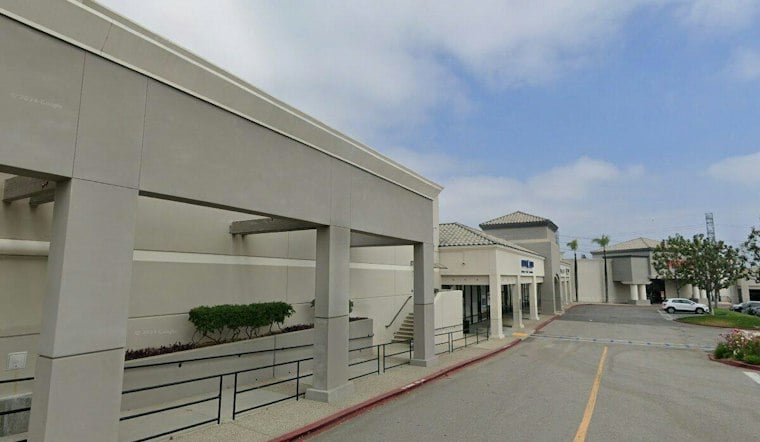
A Southern California healthcare provider is about to give Montebello something other than another clinic waiting room. On Sunday, AltaMed is scheduled to open The Alta, a 30,000-square-foot gallery, library and cultural center in a warehouse on the edge of a shopping mall.
The space is at 1401 N. Montebello Blvd., according to the AltaMed Art Collection. The Art Newspaper reports that the collection behind it has grown to some 4,000 works, with about 1,400 of them already placed in AltaMed offices and clinics. The public building is the new part. The art has been living with patients for years.
Art That Already Had a Waiting Room
AltaMed, a major healthcare provider in Southern California, was founded as part of the Chicano Movement in the 1970s. President and chief executive Cástulo de la Rocha, also described as the collection's founder, told The Art Newspaper that the holdings focus on Chicano art because of those roots and because of the cultural connections they make for patients and employees.
Chief curator and vice president of arts Pilar Tompkins Rivas said the collection serves communities in Los Angeles and Orange County, primarily Latino communities, with art meant to be relevant and celebratory. On its own site, AltaMed says the work is installed in all of its medical facilities and offices. The organization also says it hires artists to lead workshops with seniors and offers free art workshops in the communities it serves.
One 2026 commission shows what that clinic version looks like. Sonia Romero's The Fence—Pomona, six feet high and ten feet wide, depicts a white lattice fence with roses and the San Gabriel Mountains. It overlooks a communal room in a senior-care facility used for meals, artmaking and patient gatherings. A painted fence, in other words, where an actual one would just mark the property line.
A Warehouse, After the Commerce Gallery
A Warehouse, After the Commerce Gallery The Montebello opening is a jump in scale, not a first flirtation with a gallery wall. A November 2018 PBS SoCal report described art in AltaMed clinics and at its City of Commerce headquarters, including a ground-floor gallery whose exhibits changed quarterly. That same report said an exhibition of the collection was then on view at Museo de Arte Carrillo Gil in Mexico City through Nov. 25.
The collection has also traveled through other institutions. AltaMed and LA Plaza de Cultura y Artes presented “L.A. Memo: Chicana/o Art from 1972–1989” from March 18 through Aug. 14, 2022. AltaMed's announcement said the show included more than 50 artworks, most of them from the company's collection, by more than 30 artists. At that point AltaMed described the collection as comprising more than 2,000 works. The Art Newspaper's later count, some 4,000, is roughly double.
The chronology of the collecting itself is less tidy. The Art Newspaper reports that AltaMed began collecting in the 1970s. AltaMed's site says the organization has maintained a corporate art collection since the 1980s. Those are the two dates on the record; neither source reconciles them.
What the holdings cover is clearer. The Art Newspaper says the collection spans more than 100 years, though most of the work was made after the Second World War, and that AltaMed has acquired and commissioned pieces addressing health and community. Names in the collection include Hernando Gonzallo Villa, who designed ads and posters for the Santa Fe Railway, along with Laura Aguilar, Graciela Iturbide, Gabriel Orozco, Carlos Almaraz, Judy Baca, Camille Rose Garcia, Gronk, Frank Romero, Eloy Torrez, John Valadez and Linda Vallejo.
Patssi Valdez Gets the First Wall
The inaugural exhibition is “Patssi Valdez: LA LA LA,” scheduled to run until April 9, 2027. Valdez, a pioneer of Los Angeles's Chicano art movement, had not had a solo exhibition in more than a decade. For this one she re-created photography from the 1970s and 1980s, adding Swarovski crystals to prints including Divine Dede (2026) and Hot Pink (Mario, Charlie & Dede) (1983/2025). She also co-created work with Rafa Esparza and Gabriela Ruiz.
AltaMed purchased Valdez's paintings, photography and a full-size paper dress. One of those dresses is set to sit in a glass case in open storage, which is a very literal way to say the back room is part of the show. The Art Newspaper reports that The Alta will offer regular visitor hours for gallery tours and open-storage viewing, and that it will show digitization and conservation work behind the scenes. No standing schedule is spelled out beyond the opening celebration.
Studio space is part of the plan. Artist Rubén Esparza is making multimedia pieces in a residency studio, work that explores the cultural significance of Latinx, Chicano and queer diasporas.
Tea, Cards and a Pushcart
The Alta's own description says the space is dedicated to bridging health and wellness with the preservation, celebration and elevation of Chicana/o/x and Mexican artists. It lists exhibitions, educational programs, academic research, artist residencies, film, an art library and culturally rooted wellness programs.
Two projects make that pitch physical. Felicia Montes and Mujeres de Maíz created “La Botánica del Barrio” (2026), an educational apothecary with traditional herbal teas and tinctures for sampling, plus a decorated pushcart. The Wellness Wall lets visitors pin up cards describing their own home remedies and healing practices. The art library can wait. Someone will want the tea first.
Sunday, With a Reservation
La Opinión lists a free community opening celebration, ¡Hola Alta!, for Sunday, Nov. 15, from 11 a.m. to 3 p.m. Admission is free, and a reservation is required. Whether the door stays that uncomplicated after the party is a question the published schedule does not yet answer.





