

























































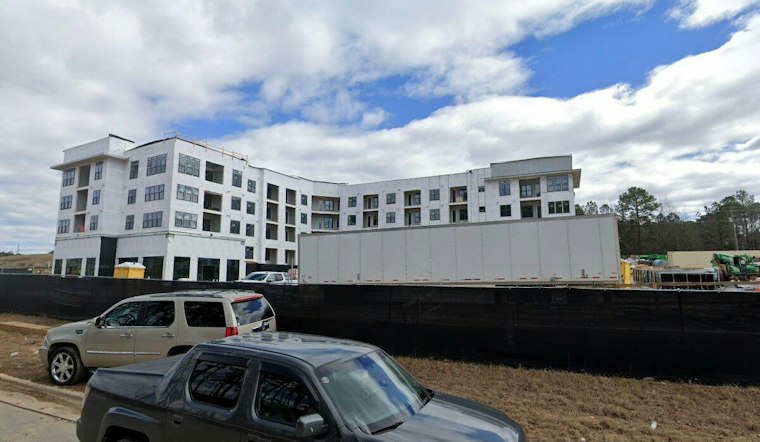
Scott Harvey, the chef behind the Rolling Deep food truck, is putting his wheels in park to build a full-fledged Italian restaurant in Apex. Harvey is planning Brick & Basil at 1801 Chatham Flts Dr. #4, with handmade pasta, deep-dish pizza and focaccia sandwiches on the menu, and a target opening of April 2027.
The concept comes from a chef and caterer who has spent years bouncing between food trucks, catering kitchens and restaurant consulting, according to Business Debut. Harvey told the outlet he is still waiting on city approval before construction can begin, and he expects the buildout to start within the next few weeks. “Our target date's April 2027,” Harvey said.
Brick & Basil would open in a town that has added residents quickly: U.S. Census Bureau figures put Apex at 37,476 people in 2010 and 58,780 in 2020, an increase of more than 56% over the decade. The same data show the town’s population estimate reached 75,977 by July 2024, 18.1% above its 2020 estimate base. That growth provides context for Harvey’s bet on a permanent dining room, though it does not predict how the restaurant will perform. Census Bureau figures for Apex track the town’s expansion.
From Food Truck Success to a Permanent Storefront
Harvey launched Rolling Deep in 2022, the same year he started Harvey Hospitality Catering, and built the truck's following around deep-dish pizzas and fusion egg rolls. The truck's popularity, per the outlet's reporting, played a role in his decision to pursue a permanent restaurant, and he says he spotted a gap in the market for high-quality deep-dish pizza and scratch-made food. For now, Rolling Deep is parked: the truck is on hiatus during the Brick & Basil buildout, and Harvey is focusing his attention on the restaurant opening and his catering work.
Before the food truck, Harvey grew up in the restaurant business on a farm in upstate New York, where his father worked as a chef. He later worked in high-end kitchens in the region before shifting into restaurant consulting, where he helped clients open restaurants, resolve operational problems and plan buildouts. “My grandfather was a butcher, and I didn't even see a grocery store till I was 16,” Harvey said, describing an upbringing that shaped his approach to sourcing.
What's Planned for the Menu and Dining Room
Brick & Basil's menu is expected to lean heavily on imported ingredients, with most products sourced from Italy and supplemented by local organic products and area farmers. The restaurant plans to stretch mozzarella on site and use organically milled flour, and Harvey has said gluten-free options will be available. Filtered tap water is also planned for the dining room.
A glass-enclosed pasta room is planned as a centerpiece of the space, letting diners watch staff prepare pasta, pizza dough and other items in view of the dining room. The restaurant is designed with equipment meant to handle significant volume, and the layout calls for about 50 indoor seats plus 35 on a patio. Harvey's plan also gives guests a choice: self-seat and order by phone using QR codes, or opt for full table service from a traditional server.
Sourcing Philosophy and What Comes Next
Harvey says his approach centers on clean food, trusted sourcing and making items from scratch without preservatives, a philosophy he has carried from his catering work into the restaurant plans. He has submitted plans to the city and is waiting on approval before ground can break on the Chatham Flats space. A website for Brick & Basil is still in development, and Harvey said Facebook will remain the main source of updates on the project's progress.
City approval is not the only regulatory step between a restaurant buildout and opening. North Carolina law says a food establishment may not begin operating without a permit, and that permit can be issued only when the establishment meets applicable requirements. State law also authorizes local health departments to charge up to $250 for plan review of food-establishment plans. Harvey’s April 2027 target therefore remains contingent on the approvals and permitting required for the project. North Carolina’s food-establishment permitting statute sets those statewide requirements.





