

























































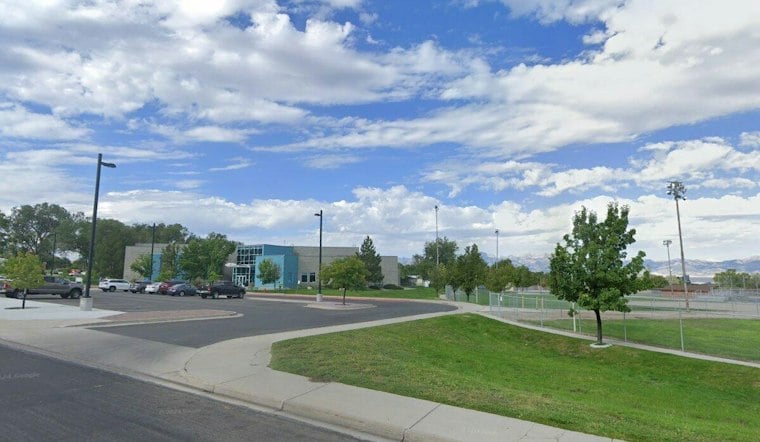
The U.S. Army and a mineral processing company called REalloys have signed a non-binding term sheet that could pave the way for a major rare earth processing facility at Tooele Army Depot, about 35 miles southwest of Salt Lake City. The proposed plant would cover roughly 200 acres and refine dysprosium and terbium, two heavy rare earth elements the Army says are critical to national defense. Nothing is finalized yet, but the agreement marks a concrete step toward building a domestic supply chain for materials the United States currently sources almost entirely from China.
According to a report from Fox Business, REalloys and the Army executed the term sheet outlining commercial terms for a potential lease, following REalloys' selection for the Army's Strategic Capital Initiative back in June. The company and the Army, as IndexBox reports, still have to complete project development conditions and negotiate a final lease before any construction can begin. Tooele Army Depot has no mine of its own; the facility would exist purely to process material shipped in from elsewhere.
What the Term Sheet Actually Covers
Per a release detailed by GlobeNewswire, the potential Enhanced Use Lease would run for an initial 50 years with one 25-year renewal option, subject to specified conditions including Army consent. Execution of that lease remains subject to further conditions, including agreement on rent, the Army's acceptance of REalloys' development plan, environmental reviews, permitting and project financing. Either side can walk away if those conditions aren't met or waived within 18 months.
Under the proposed arrangement, REalloys would develop, finance, build, operate and eventually decommission the facility, while the United States would retain title to the underlying land. The same release notes the Army would get a right of first offer to purchase whatever REalloys produces there, but it would not be obligated to buy any of it. The Army has framed its role as using existing legal authorities and land holdings to help the critical minerals industrial base grow without putting taxpayer dollars at risk.
Why Dysprosium and Terbium Matter
Dysprosium and terbium aren't household names, but they're essential to high-temperature permanent magnets used in precision-guided munitions, electric motors, sonar and radar, according to the same Fox Business report. REalloys CEO Lipi Sternheim has pointed out that nearly all modern technology, from cell phones to jet fighters, depends on rare earths in some form, and has described the Tooele effort as aimed at securing the materials needed to keep the country running and to advance new technology.
Sternheim has also been candid that Utah wasn't necessarily the most strategic location available, but that Tooele suited the company's needs and offered the few hundred acres required. Putting the facility on a military installation, the thinking goes, would place a key link in the rare earth supply chain under military oversight and help ensure adequate supplies for other defense industrial base companies. Sternheim described the project as starting with pieces of a larger puzzle, with potential future capabilities extending from raw oxides all the way through to finished magnets.
China's Grip on the Supply Chain
Rare earths have become a source of geopolitical leverage between Washington and Beijing, especially after China began withholding rare earth exports to the U.S. and the broader West. Jeff Waksman, principal deputy assistant secretary of the Army for installations, energy and environment, said China holds a near-100% global monopoly on dysprosium and terbium specifically, calling rare earth processing a known national security vulnerability, according to the GlobeNewswire release.
Sternheim has said she sees a path toward the Western world developing its own supply chain for these critical minerals by 2029 or 2030, but she has cautioned that such independence won't materialize overnight. The federal government's broader push to source critical minerals from outside China has already spurred other projects in Utah. Energy Fuels announced in July that construction had begun on an expansion of its White Mesa Mill to produce heavy rare earth oxides, with a planned annual capacity of roughly 20 tonnes of terbium oxide and 120 tonnes of dysprosium oxide, as detailed by Energy Fuels. That company expects its terbium and dysprosium circuits to be finished by the end of 2027, with samarium, europium and gadolinium circuits following by the end of 2028.
Elsewhere, a facility in Louisiana operated by Aclara has been projected to supply more than 75% of U.S. demand for dysprosium and terbium at full production, according to Argonne National Laboratory. Together, the Tooele term sheet and these other projects suggest a broader, still-unfinished effort to rebuild a processing capability inside U.S. borders for minerals that currently flow almost entirely through China.





