

























































Rudy Gadison served in the Army as a cook before his life took a hard turn: after his enlistment ended, he fell behind on rent and found himself without a place to live. Today, he is no longer on the receiving end of a helping hand — he's giving back to the organization he once contacted for help.
Gadison contacted VOA Michigan and met Jeff Houpt, according to FOX 2 Detroit. He is one of roughly 3,000 veterans who walk into VOA Michigan in Detroit each year looking for help, the station reports. Now, instead of asking for assistance, Gadison is giving back to the organization.
How VOA Michigan's Housing Program Works
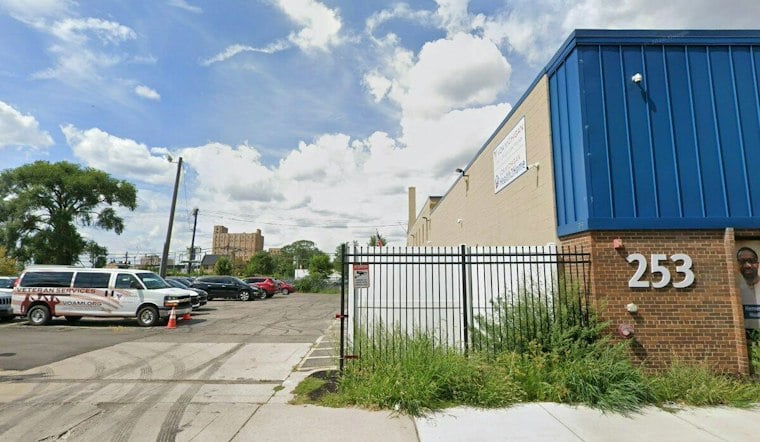
VOA Michigan's veteran transitional housing program is built specifically to support Michigan veterans as they move from homelessness into stable housing, according to the organization's own program description on VOA Michigan's website. During a veteran's stay, the program provides case management, employment and income assistance, art therapy, special events and activities, and other wrap-around services, the nonprofit says. VOA Michigan's Detroit location sits at 253 E. Milwaukee, and the organization notes that funding for the transitional housing program is made possible by the Department of Veterans Affairs.
That federal funding connection isn't an isolated detail. Earlier this fall, the VA awarded $24,397,378 in grants to 19 community organizations across Michigan to help veterans who are homeless or at risk of becoming homeless, as reported by WNEM. Volunteers of America of Michigan, Inc. was listed among the recipients of a Supportive Services for Veteran Families grant. The Michigan awards were part of a record-high $1.17 billion in grants distributed to 680 organizations nationwide this year to combat veteran homelessness, per the same report.
A Broader Pattern of Veterans Returning to Help
Gadison's story echoes a pattern FOX 2 Detroit has documented before among Michigan veterans who found stability through VOA Michigan. Army veteran Troy Young, for example, called VOA Michigan after hitting a rough patch six years earlier, enrolled in its housing, employment, and mental health programs, and graduated from the program six months later, the station's reporting shows. Young later took a maintenance job at the organization and became its maintenance manager — another example of a veteran who returned to work for the group that once took him in.
Other veterans have found similar footing through the organization. Kyle Jackson, a 38-year-old Michigan veteran, became homeless after a COVID-19 outbreak at his apartment building left him unable to return home due to underlying health conditions. Volunteers of America lodged him in a hotel during quarantine and then helped him find an apartment in Detroit, Jackson told the station. The organization said it reached more than 10,000 people across Michigan in 2020 alone.
The Scale of Veteran Homelessness
The need remains significant: the 2024 Point-In-Time count showed Detroit saw a 16 percent increase in homelessness from the prior year, according to the Homeless Action Network of Detroit, even as the same count found veteran homelessness specifically had declined 8 percent nationally and 7 percent locally.
For now, Gadison's story adds a human face to those numbers — a veteran who contacted VOA Michigan looking for help and is now giving back.




