

























































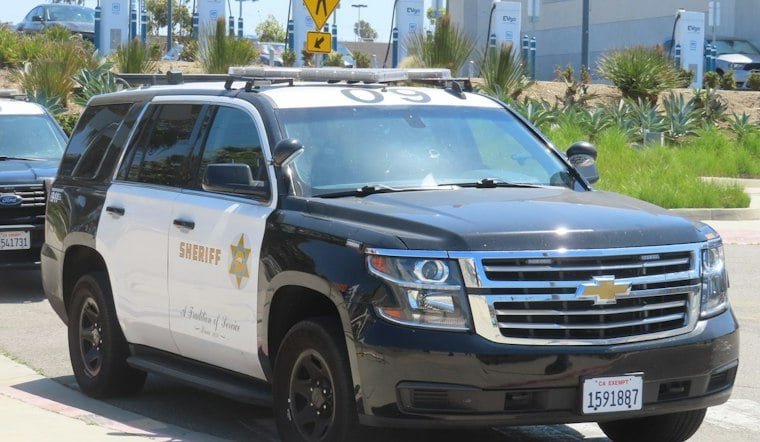
More than four decades after 17-year-old Kristina Rosenberger was stabbed to death in her family’s Artesia home, the case has no identified suspect and no arrest. A Los Angeles County Sheriff’s Department detective is reviewing the investigation, but the circumstances of the killing remain unresolved.
Rosenberger was a junior at Cerritos High School. Her mother dropped her off at about 7:30 a.m. on December 12, 1983, and she usually attended classes until about 12:30 p.m. The roughly 12 hours between that morning and the discovery of her body are still unaccounted for, according to KTLA. Detective Shaun McCarthy, assigned to LASD’s Unsolved Unit, is reviewing the case.
The investigation has not produced a clear explanation of who entered the home or why. Investigators reported multiple stab wounds and trauma to Rosenberger’s face and head, but no murder weapon, forced entry, apparent theft or signs of sexual assault. Evidence was collected at the scene, but testing has not identified a suspect.
An investigation without a clear suspect
McCarthy said Rosenberger had no known enemies and no involvement with drugs or other illegal activity. Investigators questioned many people, including Keith Rosenberger and Hector Zavala; both reportedly had alibis and were at work when investigators believe she was killed.
Keith Rosenberger has said he suspected his mother’s boyfriend at the time. Investigators questioned the boyfriend, who later moved away and died years afterward; the fact that he was questioned does not establish that he was responsible. Zavala has said Rosenberger’s death troubled him, particularly because of her age.
Reviews have not yet yielded a suspect
McCarthy said cold-case detectives have reviewed the file multiple times over the 43 years since Rosenberger’s death, without identifying a viable suspect. He said investigators will continue working to identify someone and, if the evidence supports it, pursue prosecution.
The department’s broader caseload gives a sense of the demands on its homicide investigators. In a February 10, 2026 report, KTLA quoted McCarthy saying LASD had more than 21,000 homicide cases on its books, about 4,500 of them unsolved. KTLA also reported that, at the time, the Mary Lindgren case was the only homicide LASD had solved using genetic genealogy.
What genetic genealogy requires
The same KTLA report said detectives need high-quality crime-scene DNA, an unsuccessful search of CODIS, the national criminal database, and exhaustion of most other investigative avenues before they can seek approval for a genetic-genealogy search. The report does not give staffing figures for the Unsolved Unit or set out California Department of Justice rules, and it does not establish that these prerequisites apply to Rosenberger’s case.
Other Cold Cases Show What's Possible
Other decades-old homicides illustrate how persistence can eventually pay off, even if there's no indication the same path applies here. In 2020, McCarthy and Detective Bill Marsh re-investigated the 1985 murder of David Evans, and the Los Angeles County Sheriff's Department said their work linked Hillery Marcus Dupleasis to the killing. The department's Homicide Bureau Unsolved Unit solved that 36-year-old case, and prosecutors filed first-degree murder charges against Dupleasis on May 2, 2022.
Outside California, a 1983 cold case saw similar movement through DNA science. The Livingston County Sheriff's Office in Michigan identified Charles David Shaw as a suspect in the 1983 murder of Christina Castiglione after sending preserved DNA evidence to the forensic lab Othram in May 2022, according to livingstondaily.com. Investigators confirmed that identification with three separate familial DNA comparison tests, though Shaw had already died in November 1983, before he was ever named a suspect.
For now, Kristina Rosenberger's murder remains unsolved, and investigators are asking anyone with information to contact the Los Angeles County Sheriff's Department or reach out anonymously through Los Angeles Crime Stoppers.




