

























































Homeowners at a condo complex on the Denver-Aurora border are scrambling to come up with thousands of dollars after their homeowners association notified them of a roughly $5 million collective special assessment payable by the start of next year. Depending on the unit, residents at Morningside Condos expect to pay between $8,000 and $16,000, and some say they were advised to take out loans just to cover the bill.
Tatiana and Jorge Carvajalino are among those caught off guard. The couple, who bought their condo in March 2024, now owe $12,000 as their share of the assessment, and Tatiana Carvajalino said they had less than two months to pay it, according to Sentinel Colorado. The couple already pays $537 a month in HOA fees, and with Jorge as the household's only income earner while Tatiana stays home caring for their baby, the family devotes roughly half its budget to housing costs. “We were definitely surprised,” Carvajalino said, adding that she now regrets buying the condo because of its expense, per the Sentinel.
The special assessment is meant to cover deferred maintenance across the property, including concrete work, paint, roofing, elevator repairs, and major boiler repairs, the outlet reports. Residents have also reported elevator outages following a fire incident, which they believe should be handled separately through insurance and reserves rather than folded into the broader assessment.
Residents Organize Ahead of a Contentious Budget Vote
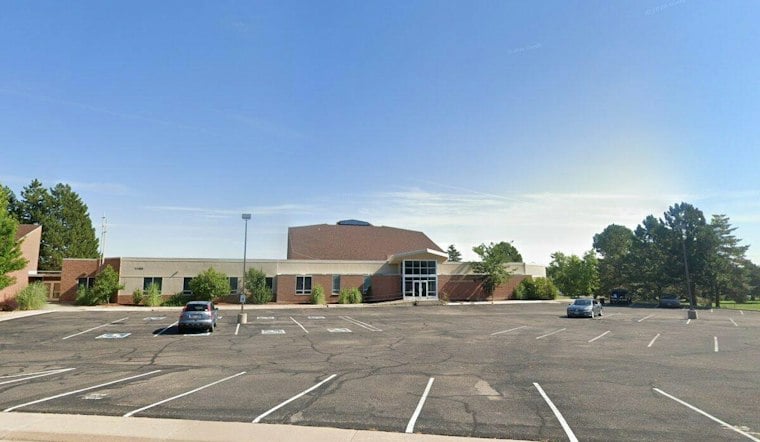
Frustrated owners formed a group in October to coordinate their participation in the HOA's budget ratification meeting, which was held October 22 at a church in Aurora. Residents needed 218 votes to veto the proposed budget, and according to the Sentinel's reporting, the budget ultimately passed by a slim margin after residents said some votes were discarded on procedural grounds. Organized homeowners have since sought help from a third-party investigator to challenge the association's handling of the process.
Janice Hall, who has owned her condo at Morningside since 2015, said some board members have served for six years and that residents want access to bids and contracts along with explanations for how contractors were selected, the outlet reports. Tatiana Carvajalino said meeting participants were limited to three minutes each to air grievances. Morningside Condos and its board president did not respond to the Sentinel's requests for comment.
The association's own October newsletter shows another costly decision may be on the horizon. In that notice, Morningside said it was considering converting its building air handlers to electric if a ballot measure known as Amendment 83 passed, warning that with 10 buildings in the community, each air handler would cost $100,000 to replace, not including additional parts and labor, according to the Morningside Condos newsletter.
A Statewide Pattern Across Colorado HOAs
More than 47% of Colorado's population lives in common-interest communities, according to Democratic state Rep. Naquetta Ricks of Aurora, who wants more protections for homeowners and changes to HOA oversight, the Sentinel reports. Colorado's Division of Regulatory Agencies HOA Center takes and logs complaints, Ricks said, and per the outlet, complaints rose 21% in 2025 and continued climbing in 2026. Ricks has advanced legislation, including HB-22 1137 and HB25-1043, to extend special-assessment payment timelines and expand owner-equity protections, and she wants to expand the HOA office's authority to mediate homeowner disputes. She told the Sentinel she expects to continue that work alongside Governor-elect Phil Weiser and the attorney general's office.
Colorado common interest communities have experienced surging insurance costs that can deplete association reserves, as some insurers have left the state amid rising extreme-weather risks including hail and wildfires, the Sentinel reports. Construction materials such as lumber, asphalt, and shingles have also risen in cost amid broader inflation, factors the outlet links to the kinds of regular assessment increases that are common causes of rising HOA costs nationwide.
Not every data point points toward homeowner dissatisfaction, however. The 2026 Homeowner Satisfaction Survey, based on responses from 3,000 residents nationwide, found that 86% rated their overall community association experience as positive or neutral, according to the Foundation for Community Association Research. The same survey found 82% of respondents said their board serves the best interests of the community.
What Colorado Law Requires of HOAs
HOAs can place liens on homes for unpaid fees and fines and can pursue foreclosure in certain circumstances, but Dawn Bauman, CEO of the Community Associations Institute, said foreclosure is meant to be a last resort after payment plans, collection notices, and reasonable opportunities to resolve delinquent assessments, the Sentinel reports. Community association boards carry a fiduciary responsibility to protect their community's financial health while making reasonable efforts to avoid foreclosure, and the Community Associations Institute says it supports fair and transparent collections practices that recognize both homeowner rights and association financial obligations.
Colorado law requires associations to offer a payment plan when a unit owner falls into arrears. The Colorado Division of Real Estate's HOA Information Center specifies that this repayment plan must last at least 18 months. The Colorado Common Interest Ownership Act, which has set rules for new HOAs and other common-interest groups since 1992, also requires associations to offer payment plans for owners facing assessments and to provide community resource-allocation guidelines.
Colorado does not have regulatory oversight of HOAs or community association managers, and the state does not have authority to intervene directly in disputes between an association and its members, according to the Sentinel's reporting. As a result, HOA disputes in Colorado often end up in district courts, since state law defines unit owners' rights but enforces them primarily through civil litigation. David Donnelly, manager of education, communication, and policy for the Division of Real Estate at the Department of Regulatory Agencies, is among the state officials involved in that oversight landscape, per the outlet.




