

























































A robot built in East Austin is now rolling through hospital corridors across the country, carrying lab samples and medications so that nurses do not have to. Moxi 2.0, the latest version of the delivery robot made by Diligent Robotics, is learning to navigate hospitals for pharmacy and supply runs, according to a report by KEYE / CBS Austin reporter Walt Maciborski.
Diligent Robotics, which describes itself as an Austin-based physical AI company, said it began rolling out Moxi 2.0 to health system customers across the U.S. in August. The company said the new version was shaped by five years of operations in more than 25 hospitals, and per the KEYE / CBS Austin report, Moxi is now deployed in 25 hospitals across the country, with Diligent having deployed 100 Moxi robots in total. Diligent Robotics has its headquarters in East Austin, the station reports.
Four Years of Upgrades Packed Into One Robot
Moxi 2.0 includes four years of software and hardware upgrades, according to the KEYE / CBS Austin report. Diligent CEO Andrea Thomaz, who serves as the company's chief executive, said the new version has a larger AI model that can do more and learn faster. The company's own announcement adds that Moxi 2.0's upgraded NVIDIA-powered A2000 compute perceives and interprets its surroundings 10 to 15 times faster than the previous generation.
Diligent also says the robot can now operate for up to 18 hours per day, with up to nine hours of runtime per charge and 30% faster charging. The robot uses five cameras and 3D lidar to navigate complex hospitals, and hospital staff open it using a badge, per the station's report. Once a task is loaded, Moxi knows its next destination and can be assigned somewhere specific, such as the fourth floor.
Nurses Spend Hours Walking the Halls
Thomaz described Moxi as a teammate for nurses, clinicians and pharmacists, and said nurses and pharmacists spend hours a day and miles per shift walking around hospital buildings, according to the same report. The goal, she said, is to give nurses and doctors more time with patients. A low-confidence 2022 study snippet cited by PubMed Central found nurses walked an average of 9,360 steps and 5.79 kilometers during an average 9.4-hour shift, though that figure has not been independently verified for this story.
Thomaz said nurses would welcome no longer walking to the lab themselves. The robot alerts people in hallways with a friendly “meep meep,” announces “I'm here to pick something up” when entering a patient room for a delivery, and says thank you once the task is done, per the KEYE / CBS Austin account.
Elevators Remain the Toughest Test
Hospital elevators remain a major navigation challenge for Moxi, the station reports. Diligent built a programming cube at its proving ground where the robot practices pressing elevator buttons, handling crowded elevators, and moving between floors before it ever rolls into a live hospital setting.
Every deployed Moxi robot feeds what the company calls a data learning flywheel, and the Diligent Robotics team uses camera footage to help the robot continue learning, according to the report. Thomaz said the robots' real-world activity provides information about how people move through hospital buildings. Diligent's own announcement describes this system as a proprietary World Model that learns from the experience of the company's fleet and improves continually with every deployment, and the company says Moxi is designed to operate within existing hospital infrastructure from day one, without facility modifications or specialized automation systems.
Big Numbers at Children's Hospital Los Angeles
The fleet-wide numbers have grown substantially. The Moxi fleet has completed more than 1.25 million autonomous deliveries, according to the KEYE / CBS Austin report, while Diligent said that by the time of its August announcement, Children's Hospital Los Angeles alone had logged more than 40,000 deliveries, representing over 16,000 hours of staff transport work.
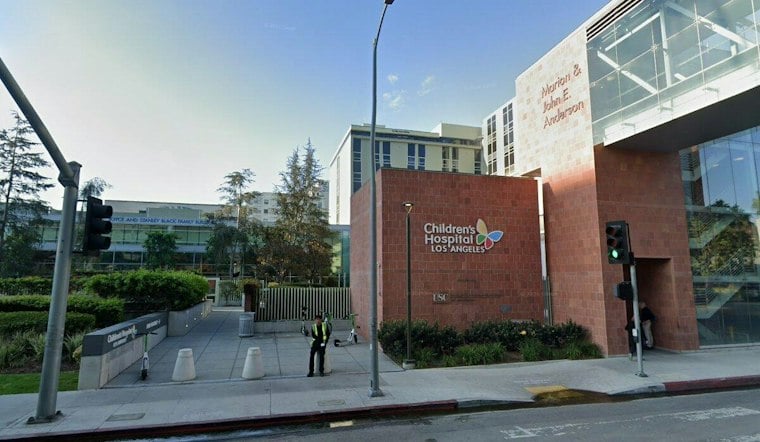
Children's Hospital Los Angeles, which became the first children's hospital in the nation to use Moxi in December 2022, said that in just over four months its robots made more than 2,500 deliveries, traveled 132 miles, and saved staff more than 383,000 steps and 1,620 hours of work time. The hospital said Moxi helped staff recoup 20 to 30 minutes per delivery, and that it had expanded its fleet from two robots to three, with utilization increasing more than 10% in a single quarter. Diligent's announcement also lists Endeavor Health Edward Hospital and Providence Saint John's Health Center among the sites rolling out Moxi 2.0.
Moxi's Growth Over Time, and Rivals in the Space
The robot's deployment has climbed steadily since its earlier years. A CBS Austin report from April 2024 said Moxi was deployed in more than 30 hospitals nationwide at the time, and noted the fleet had completed 500,000 deliveries by the end of 2023. Thomaz told that outlet a single delivery could save a nurse or pharmacy technician 15 to 20 minutes.
Diligent is not alone in the hospital-robot space. Relay Robotics announced in September that it deployed two delivery robots, named Dash and Daisy, at HCA Florida JFK Hospital in Atlantis, Florida, according to a PR Newswire announcement. Relay said those robots assist with deliveries including lab specimens, pharmacy orders, monitoring equipment and medications, and can move independently between floors and pass through authorized secure doorways through integrations with hospital systems.





