

























































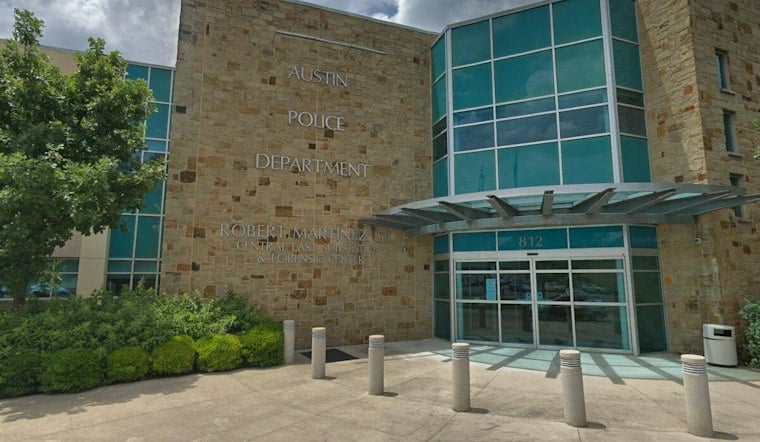
Austin spent more than $75 million on public safety overtime in the last fiscal year, and city leaders are now asking whether civilian employees could take over some of the work currently done by sworn police officers, firefighters and paramedics. The Austin City Council Audit and Finance Committee met Wednesday for a briefing on a civilian-staffing audit.
The city auditor's office report, detailed by the Austin American-Statesman, aimed to identify efficiencies and allow sworn staff to focus on emergencies.
The audit briefing focused on whether civilian staffing could contribute to those efficiencies.
Civilian Staffing in Focus
For EMS, auditors pointed to several possibilities: public-information requests, community outreach, non-emergency vehicle moves and training logistics. Sworn EMS employees currently spend hours responding to public-records requests, time that could theoretically be redirected toward patient care if civilian staff took on that paperwork, per the audit findings described by the Statesman.
Separately, the department moved about 70 officers from specialized units into patrol duty in August 2025, part of a broader staffing shake-up.
Austin Fire has its own list of candidates for civilian work, including fleet and facility support, training administration and building inspections such as sprinkler checks. The department already has civilians staffing about half of its fire prevention section, suggesting there's a template already in place for expanding the model elsewhere.
Staffing Questions
Not every job can simply be handed off. State law and labor agreements limit Austin's ability to shift public safety work to civilians, and per the audit, those same constraints prevent civilians from supervising sworn staff. Austin Police Chief of Staff Lee Rogers told the committee that state law requires a licensed peace officer to complete crash reports, a detail that complicates one of the more ambitious ideas floated during the meeting.
That idea came from council member Ryan Alter, who urged the three public safety chiefs to consider broader civilian roles that would free up sworn employees for emergency response. Alter specifically raised the possibility of civilians handling fieldwork at minor crash scenes, with a licensed officer stepping in afterward to review and file the official report.
All three public safety chiefs endorsed the broader goal of shifting suitable duties to civilians, even as they stopped short of committing to specific timelines or positions.
A Pay Gap Complicates the Math
Part of the financial logic behind the push is a pay gap between sworn and civilian staff: sworn public safety employees earn about $19,000 more per year on average than their civilian counterparts, the Statesman reported. That gap is one reason auditors believe civilian hires could be a cost-effective alternative for certain administrative functions, even though the audit stopped short of estimating how much the city might actually save.
APD overtime hours remained consistent over the last five years, KUT reported. KXAN reported more than 300 sworn positions open, while a separate report put overall APD vacancies at approximately 340.
Broader budget figures reported separately by KUT show just how fast overtime costs have grown citywide: Austin's overtime budget jumped 15% from 2024 to 2025, and the city spent nearly 10% of its general revenue budget on overtime last year, up from 7.6% in 2021. In 2025 alone, Austin spent $95 million on overtime across fire, police and EMS combined, with nearly $53 million going to police overtime and $22.6 million to firefighter overtime.
More recent figures reported by KXAN show the strain continuing into this year. Austin Police spent $28.9 million on sworn overtime through June, exceeding its overtime budget by more than $2 million, or just over 9%. Austin Fire spent $14.9 million through the same period, about 46% above its $10.2 million budget, with officials attributing the overrun primarily to mandatory staffing requirements. Austin-Travis County EMS, by contrast, spent around $13 million through June and stayed within its $22.2 million budget, though the agency cited staffing vacancies, scheduled overtime and training that can't be completed on shift as ongoing cost pressures.
The audit's aim was to identify efficiencies and allow sworn staff to focus on emergencies.





