

























































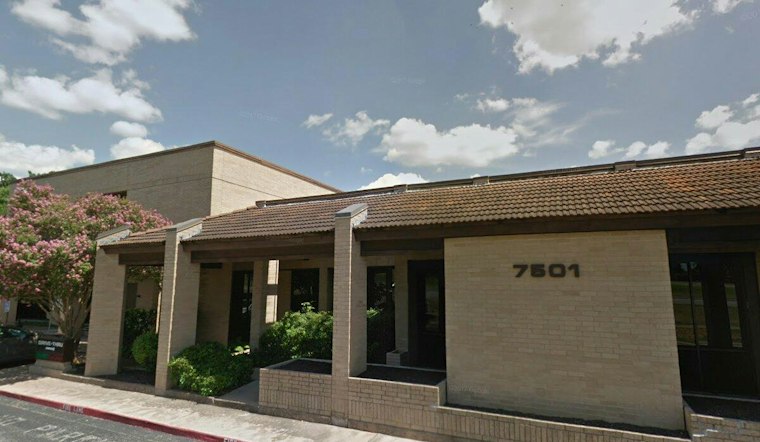
An LGBTQ+-focused addiction and mental health treatment program founded in Los Angeles has opened its first Texas clinic in Austin, offering outpatient care that includes specialized support for chemsex and trauma-informed therapy. No Matter What Recovery held the grand opening of its Austin location on Saturday, with an event that paired educational workshops with a community open house hosted by drag queen and RuPaul's Drag Race alum Phoenix.
The organization was launched during the COVID-19 pandemic by Paulo Arranaga-Grayson and his husband, Anthony, according to KXAN. Arranaga-Grayson said the organization decided to expand into Texas after concluding there was no LGBTQ+-focused recovery and treatment center anywhere in the state, a gap he and his husband set out to close with the new Austin location.
Austin District 9 Councilmember Zo Qadri, who represents the district where the clinic sits, spoke at the Saturday event to welcome the organization and presented a proclamation recognizing the couple's work expanding affirming recovery services across Texas. The outlet's report ties the opening to a personal chapter for the couple as well: the station notes that Arranaga-Grayson and his husband had rented a house in Austin for a few months in 2025 and had pursued a private adoption that did not go through after the birth mother changed her mind after giving birth. Arranaga-Grayson said Austin's recovery community supported the couple during that difficult period.
What the Austin Clinic Offers
The Austin clinic provides outpatient care built around what the organization describes as community-centered, trauma-informed treatment addressing discrimination, family rejection, identity struggles and the psychological toll of social stigma. Per the same account, the program addresses substance use disorder, anxiety and depression, PTSD and trauma, religious trauma, HIV-related health and recovery concerns, and the minority stress experienced by LGBTQ+ individuals.
Treatment incorporates evidence-based approaches including Internal Family Systems, Somatic Experiencing and other trauma-focused therapies, the report states. Clients also have access to psychiatric care, medication management and Medication-Assisted Treatment when clinically appropriate, according to the KXAN account.
A Specialized Focus on Chemsex Recovery
Among the clinic's specialties is support for chemsex, which the station describes as a practice involving the use of drugs to enhance or prolong sexual experiences. A press release from No Matter What Recovery states that chemsex can create a destructive cycle of substance dependency, compulsive sexual behavior, isolation and emotional distress. The same press release cites research finding that LGBTQ+ adults are more than twice as likely as their heterosexual peers to use illicit drugs and nearly twice as likely to experience a substance use disorder.
A separate account from Archyde points to a study it says found gay and lesbian people use crystal meth at more than three times the rate of heterosexual people. Dallas Voice has quoted No Matter What Recovery Chief Clinical Officer Jessica Steinman saying there are only about 10 LGBTQ-specific treatment centers in the entire country, and that most are clustered within a few miles of each other in Los Angeles.
Growing Beyond California
No Matter What Recovery's Los Angeles operations include five sober living homes serving up to 40 clients and a six-bed detoxification facility, KXAN reports. The organization expanded into Chicago earlier in 2026, where its location offers Partial Hospitalization and Intensive Outpatient programs, including an evening IOP track, along with support for chemsex, minority stress and family-system issues, according to the organization's own site.
Reporting on the Austin expansion has not been entirely consistent on timing and scope. Dallas Voice had previously described Austin services as expected to launch in early 2026 and characterized the Texas site as planned to be the organization's first facility outside California. KXAN's account of the Saturday grand opening places the clinic's debut in mid-November and describes the earlier Chicago location as already operating by that point, a discrepancy the available reporting does not resolve.
Arranaga-Grayson's own path into recovery work began in Chicago, where he got sober in 2006 after being displaced from New Orleans by Hurricane Katrina the previous year. He has said that during that period he felt required to educate his own clinician about the LGBTQ+ experiences shaping his addiction and recovery, an experience that has informed the specialized approach now reaching Austin clients.




