

























































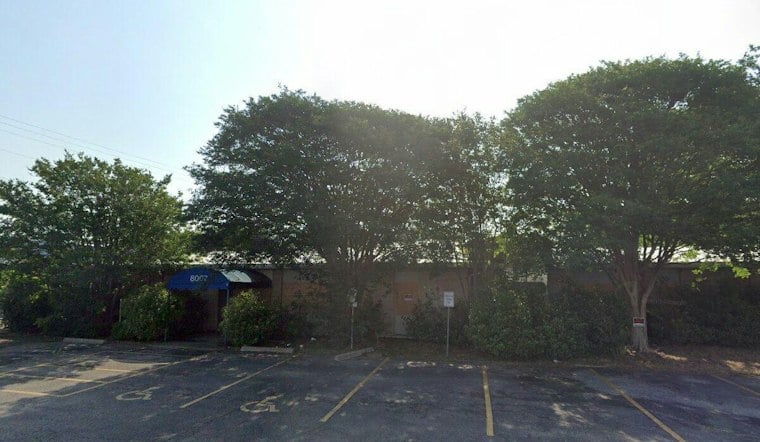
The allegations against Zoe’s Safe Place owner Tommie Yvette McKinney concern residents’ access to money meant for their care. They also come years after Texas authorities sought to stop the Austin facility from providing personal-care services without a license. The earlier licensing case and the current criminal investigation are separate matters; neither, on its own, establishes the allegations in the other.
Earlier scrutiny focused on care and licensing
In 2015, the Texas Attorney General’s Office sued McKinney and Zoe’s Safe Place at the request of the state agency then responsible for aging and disability services, alleging the facility was operating without a required license. The state sought court orders barring unlicensed operations. A Texas Health and Human Services Commission handbook says licensing rules define a personal care facility as one providing food, shelter and personal care services to four or more people unrelated to the owner.
The Texas Tribune reported that the state obtained a temporary restraining order after investigators found residents needed help with daily activities. In 2016, the Austin American-Statesman reported that inspections continued to find problems, including pests, spoiled food and inadequate sleeping arrangements. Those reports describe the facility’s earlier conditions and licensing dispute, not the evidence underlying McKinney’s current charge.
Current case centers on control of residents’ benefits
McKinney was arrested on a third-degree felony charge of exploiting a child, elderly individual or disabled individual under Texas Penal Code 32.53. The Texas Attorney General’s Office Medicaid Fraud Control Unit began investigating suspected exploitation at Zoe’s Safe Place in November 2024, according to KXAN, which reviewed an affidavit in the case. The charge is an accusation, not a conviction.
The affidavit, as described by KXAN, alleges that Social Security benefits for five residents were deposited into one Direct Express account. Deposits during the period investigators reviewed totaled $49,994.41, while records showed $45,175.43 in expenditures. Investigators allege that spending included cash withdrawals and purchases at pawn shops and retailers, as well as building materials and three 70-inch televisions shipped to McKinney’s home.
Investigators also say an associate identified as Jackson was representative payee for six Medicaid recipients at the home and handed McKinney control of the debit card after it arrived by mail. The affidavit says Jackson received $40 per resident each month for serving as payee and relinquishing control of the funds. It further alleges that staff kept no ledgers of residents’ spending and that some residents interviewed did not understand who managed their benefits or how much they received.
KXAN reported that McKinney was released from Travis County Jail on November 11 on a $10,000 personal bond. The station said it had contacted her attorney and would update its report if it received a response. The reported allegations do not establish how any disputed funds were ultimately used for residents’ needs, and the case’s outcome remains unresolved.



