

























































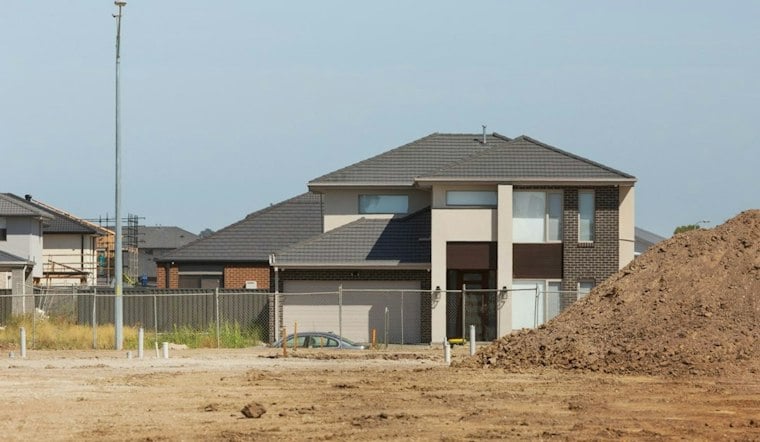
Larry Josué Urbano and his wife had been saving for a house since they married in 2024, but this year they put those plans on hold. Fearing he could be swept up in immigration enforcement despite holding a pending asylum case, a work permit, and a driver's license, Urbano said he would not risk their savings and effort on a purchase that might not work out.
Urbano, who arrived in the United States from Colombia in December 2021, said he fears the possibility of building a life with his wife, a U.S. citizen, only to be separated from her. His account is one of several detailed by The Austin Chronicle, which interviewed local construction workers, builders, landscapers, and real estate agents about how immigration enforcement is rippling through Austin's housing market. The couple have since discussed resuming their home purchase plans, though the underlying uncertainty remains.
Builders Describe Lost Crews and Slower Timelines
Armando García, who has built homes in Bastrop for seven years, told the Chronicle that one of his subcontractors was detained and deported by immigration officers. García said other subcontractors have since declined jobs or raised their prices because of worker shortages, forcing some builders to accept smaller profit margins since they cannot always pass the added costs on to homebuyers.
Those disruptions aren't isolated. According to the Federal Reserve Bank of Dallas, 20 percent of Texas construction firms surveyed in November and December reported that workers had failed to show up or left a job site because of actual or rumored enforcement action, while 41 percent said their firm had been affected directly or indirectly by immigration action in the prior six months. The Dallas Fed cautioned that because the survey was conducted months earlier, its results may not reflect conditions as they stand now.
A separate Dallas Fed survey found that 20 percent of Texas businesses said immigration policy had hampered or was expected to hamper their ability to hire and retain foreign-born workers, and the bank noted that figure likely understates the true impact on Texas firms since the survey excludes sectors like construction and agriculture that rely heavily on immigrant labor.
Landscapers and Painters Feel the Squeeze Too
One Austin landscaping business owner, who spoke anonymously, told the Chronicle he reduced his team from three or four workers down to two and has lost contracts because of fear of encountering immigration agents while traveling with equipment. He said he changed his daily routine and turned down jobs, losing income in the process, even though he said his crew was working lawfully and simply trying to get ahead.
Fernanda Rojas, who works in real estate investment and remodeling, said her longtime painter was detained at a paint store three months before the Chronicle's report and was later deported to Mexico. Rojas said some remodeling clients have postponed projects amid the uncertainty, and replacing experienced workers isn't simple — it requires reorganizing crews and adjusting project schedules from scratch.
National Data Show Longer Timelines, Fewer Homes Built
The disruptions in Central Texas echo a broader national pattern. A 2025 study by NAHB estimated that skilled labor shortages added nearly two months — an unweighted average of 1.98 months — to the typical home construction timeline, and prevented construction of roughly 19,000 single-family homes nationwide in 2024. NAHB put the annual economic impact of those longer construction times at $10.806 billion.
Construction delays raise costs for builders in another way too: loan interest keeps accumulating while they wait for workers or replacements. NAHB has separately said stepped-up immigration enforcement has discouraged legally authorized workers from reporting to jobsites in some markets, delaying construction and raising costs, and has pointed to government data showing the construction industry is already short about 300,000 workers nationwide.
Immigrants made up 40 percent of Texas's construction workforce in 2022, according to a report from the American Immigration Council. The Dallas Fed has separately put the foreign-born share of Texas construction trades workers at 53 percent in 2024, while a figure cited by IBTimes UK put that share at 39 percent for the same year — the two estimates conflict and the available evidence doesn't resolve differences in methodology or definitions between them.
Agents See Buyers Pump the Brakes
Pablo Nieto, an Austin real estate agent, said builders he knows have postponed new projects because they're unsure they can find enough workers to finish them. Nieto added that soft housing inventory and weaker demand are limiting builders' ability to raise prices amid the broader market volatility.
Diego Corzo, an Austin agent and former DACA recipient who recently obtained permanent residency, said six families working with agents on his team postponed home purchases until next year. Corzo said he's heard similar concerns from buyers holding work permits and individual taxpayer identification numbers, though he noted buyers are also waiting because of interest rates — a factor independent of immigration enforcement.
Austin's broader numbers reflect a cooling market. Unlock MLS reported that 777 homes sold in a September 2026 market area, a 12.7 percent year-over-year decline, with the median sales price reaching $570,958, a 4.2 percent increase. Austin housing market results are shaped by mortgage rates and broader housing conditions as much as by labor supply, the data show.
Cautious Optimism Ahead of a New Governor
Some in the housing industry expressed optimism about the market's future as Gina Hinojosa prepares to take over as Texas governor next year, with some buyers growing more hopeful that immigration enforcement could ease under her administration. Corzo said the situation on the ground remains unchanged for now, but that people are more optimistic than they were.
For Urbano and his wife, that cautious hope hasn't yet translated into action — they remain renters while they wait to see whether the climate shifts enough to make resuming their home search feel safe.





