

























































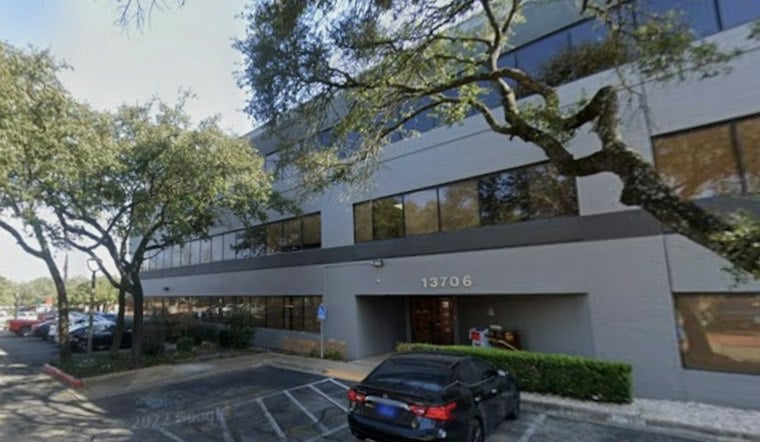
Kanerika, a data and AI engineering firm based in Austin, Texas, has signed a memorandum of understanding with Microsoft Corporation to explore a collaboration on modernizing legacy ETL and data integration workloads on Microsoft Fabric. The agreement, announced Tuesday, is framed as an exploratory step rather than a finished deal, with the companies outlining plans to pursue joint sales and technical work rather than confirming projects already underway.
According to EIN Presswire, the MOU covers Microsoft's fiscal year 2027 and centers on plans to explore joint go-to-market planning, co-sell alignment with Microsoft field teams, and technical collaboration on Fabric migrations. The same source, also distributed via The Des Moines Register, describes a planned operating model that would bring together co-sell alignment, migration engineering, customer workshops and executive engagement — though these are described as plans to be built out, not completed activity.
Which Legacy Platforms Are in Scope
The announced collaboration focuses on migrations away from a specific list of older tools: Informatica PowerCenter and IDMC, Alteryx, Talend, SAP BusinessObjects Data Services, IBM DataStage and Qlik Replicate, per the EIN Presswire release. The scope also extends to SQL Server Integration Services, Azure Data Factory and Azure Synapse Pipelines, reflecting how many organizations still run a patchwork of older integration tools even as they adopt newer cloud services, the same release notes.
The stated goal of the collaboration is to help customers consolidate fragmented data estates, reduce dependence on legacy platforms, and establish governed analytics and AI foundations. The release frames this against a broader shift: many enterprises are reassessing their integration estates as AI workloads call for governed, unified data, the announcement states.
Kanerika's Automation Claims
At the center of Kanerika's pitch is its FLIP platform, which the company says automates up to 80% of conversion effort across supported migration paths — a figure that, per the release, can compress migrations from months down to weeks. Kanerika also says FLIP preserves validation, reconciliation and cutover controls during the process. On the Microsoft Marketplace, Kanerika's Informatica-to-Fabric offering is described as converting Informatica PowerCenter workflows into Fabric-native pipelines.
These are company-reported figures without independent audit or detailed methodology disclosed in the available materials. Kanerika has separately published guidance, according to YesPress, estimating that migrations of 50 to 100 pipelines can take two to three weeks, while migrations of 500 or more pipelines may take six to eight weeks. The outlet also reports that actual savings and payback periods depend on variables including retired legacy licensing and support costs, migration and validation investment, parallel-running requirements and ongoing Fabric consumption.
Customer Examples Cited by Kanerika
Kanerika points to a handful of past engagements as evidence its approach works. In what it calls its FoodPharma project, the company says it consolidated six operational systems into Microsoft's OneLake in seven weeks, cutting cross-functional reporting time from two business days to about 90 minutes, per the EIN Presswire announcement. The dossier notes the project's date was not specified in the release, and the results have not been independently verified beyond company and Microsoft materials.
Kanerika also reports an Informatica-to-Fabric migration that delivered 60% faster data processing and an Alteryx-to-Fabric migration that delivered 74% faster reporting for Fortune 500 enterprises, according to EIN News. In a separate, earlier announcement about new FLIP migration pathways, the company said a Crystal Reports-to-Power BI engagement saw FLIP deliver a 60% faster migration, 10 times the data scale and a 99.5% refresh success rate, and that a global interconnect solutions company used FLIP to move legacy QlikView reporting to Microsoft Power BI on Fabric, reporting lower maintenance, faster refresh cycles and reduced infrastructure and licensing costs.
Company Background and Credentials
Kanerika was founded in 2015 and describes itself as a Microsoft-first data and AI engineering firm and a Microsoft Fabric featured partner, as well as a Microsoft Solutions Partner for Data & AI. The company says it has worked with Microsoft Fabric since the platform's 2023 public preview, and it also partners with Databricks and Snowflake. Beyond its Austin headquarters, Kanerika has delivery operations in India, Argentina and Singapore.
The company holds ISO 27001, ISO 9001:2015 and ISO 27701:2019 certifications, along with SOC 2 Type II attestation and a CMMI Level 3 appraisal, and says it operates in compliance with GDPR. Kanerika says it plans to dedicate go-to-market, alliance and migration delivery resources to the collaboration with Microsoft, with the planned operating model aimed at identifying qualified opportunities and moving suitable workloads into production on Fabric.
Enterprises evaluating a move off legacy platforms can request a Fabric migration assessment through Kanerika's website, according to the announcement. For now, the agreement between the two companies remains a memorandum of understanding — a statement of intent to explore collaboration during Microsoft's 2027 fiscal year, rather than a confirmed record of completed customer deployments.



