

























































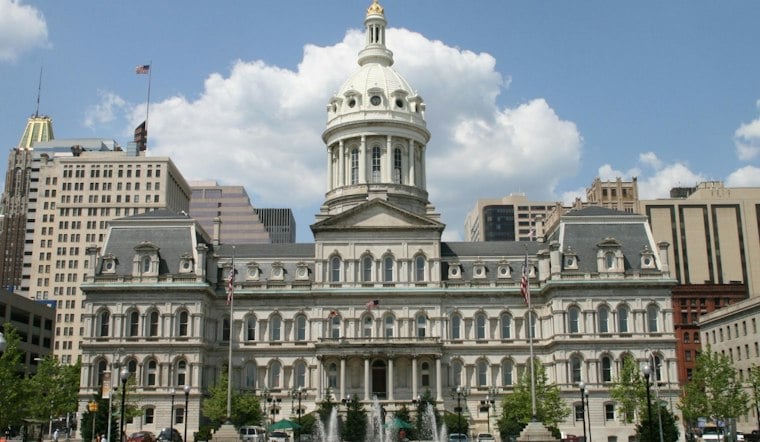
Baltimore's City Council voted 12-1 on Nov. 10 to create a Department of Neighborhood Safety, a plan to send clinicians and social workers to some 911 calls that may not need a traditional emergency response. The council's approval was final. It was not, by itself, the law.
WYPR reported that the bill "now only needs the mayor's signature." The department is in line for nearly $17 million in city seed money, and the Mayor's office estimates about 22,000 calls can be better served through alternative responders.
The Hour They Hope For
Officials told WYPR it may still take a year for the department to become fully operational. They also hoped alternative responders would be able to arrive within an hour of a call.
That hour is a target, not the average already on the books. Police1 reported that the city's existing mobile crisis teams were taking an average of more than 83 minutes to reach people in need.
The Baltimore Sun reported on Oct. 27 that the administration does not expect alternative response teams to begin operating on the streets until fall 2027. November's vote is a legal mile marker. On that timetable, the first teams are still a season away from a sidewalk.
Services Before a Crisis
The intended work is narrower than a new police force: some low-level or nonviolent 911 calls would go to clinicians, social workers, or other alternative responders instead of a traditional emergency response.
The pitch, as WYPR described it in October, is a "shift away from punitive actions for people who could be better served by being connected with city and state services before they reach a crisis point." That report also said the plan was drawing positive reviews from the community. None of the praise puts a clinician in a doorway this week.
A Different Check Entirely
The safety department and a social-media contract are not the same purchase. WBFF reported that the Board of Estimates approved a 12-month contract with Johnson Advisory Group, LLC to manage City Council members' social media accounts. In a separate report, WBFF described the deal as worth over $50,000.
The ask had a sharper price tag a couple of weeks earlier. The Baltimore Sun reported on Oct. 31 that Councilman Jermaine Jones was seeking approval for a $51,183.60 communications consulting contract, according to the Board of Estimates agenda.
David Williams of the Taxpayer Protection Alliance appeared on WBFF and treated that spending as a misuse of funds. The contrast does not require a conspiracy theory. Nearly $17 million is seed money for a response system the administration does not expect on the street until fall 2027. The social-media contract is a 12-month arrangement the Board of Estimates has already approved.
For a Baltimore caller waiting on a mobile crisis team, the number that still governs is the one already measured: more than 83 minutes, on average. The new department does not change that until the mayor signs, the teams exist, and someone actually shows up.



