

























































Baltimore City filed a lawsuit against Vivid Seats on Monday, accusing the Chicago-based ticket resale marketplace of misleading residents about what they'd actually pay for concerts, comedy shows and sporting events across the city. The suit, lodged in Baltimore City Circuit Court, claims the company advertised prices that vanished once shoppers clicked through, buried mandatory fees until the final screen, and nudged prices upward the longer someone stayed in the checkout process.
City Alleges a Pattern of Hidden Costs
According to WBFF, Baltimore Mayor Brandon Scott and the Baltimore City Council sued Vivid Seats, with the city's Department of Law filing the case in Circuit Court. The lawsuit accuses the company of advertising unavailable prices, disclosing mandatory service and delivery fees late in the purchase process, and raising prices as shoppers advance through checkout — a practice sometimes called drip pricing. The city also alleges Vivid Seats displayed per-ticket prices that were only available when customers bought at least two tickets, disclosing that multi-ticket requirement later in the transaction.
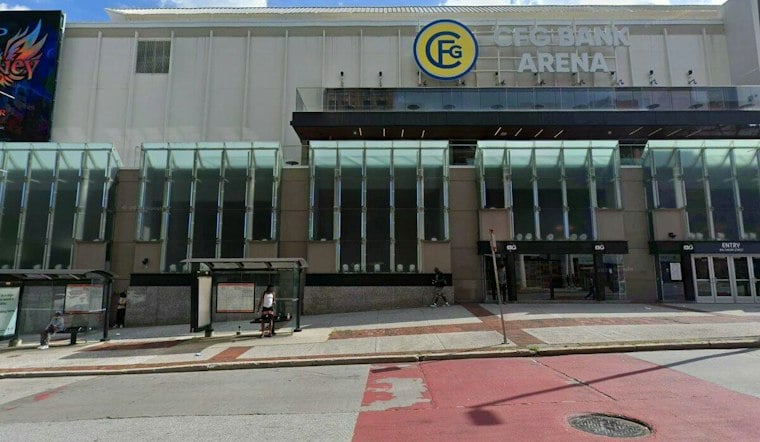
City Solicitor Ebony M. Thompson framed the harm in plain terms, saying a Baltimore family that sees a $98 ticket advertised and ends up paying $154 experiences a bait-and-switch. Mayor Scott said residents deserve accurate pricing when buying event tickets, and his comments referenced venues including CFG Bank Arena and The Lyric as examples of local spots where ticket buyers encounter these listings.
Fees From Both Sides of the Transaction
The lawsuit alleges Vivid Seats collects fees from buyers while also charging sellers a 10% commission on resales, according to the city's filing. The suit further claims the company built its checkout process to rely on shoppers abandoning comparison shopping after several clicks, and that the process takes advantage of buyers' reluctance to walk away from a purchase after they've already spent time selecting seats.
The city says it identified the alleged practice around sponsored Google listings advertising unavailable Baltimore event prices through July, and traced the fee-disclosure practice — in which mandatory service and delivery fees reportedly surfaced only after customers left the landing page or reached the final checkout screen — through April. Baltimore is seeking civil penalties for each violation, attorneys' fees and costs, and a court order stopping the alleged practices, and it has requested a jury trial. The city is represented by Sara Gross and Christopher Sousa of the city's Law Department along with the firm Edelson, PC. None of the lawsuit's claims have been proven in court.
Part of a Broader Legal Reckoning Over Ticket Fees
Baltimore's case lands amid a wave of similar scrutiny nationwide. Vivid Seats switched its website and app to all-in pricing nationwide back in May 2025, according to TicketNews, the same month a Federal Trade Commission rule took effect requiring businesses selling live-event tickets and short-term lodging to display total prices upfront, as reported by All About Advertising Law.
In Pennsylvania, seven county district attorneys are now pursuing a separate consumer-protection case against Vivid Seats over deceptive pricing, after six more prosecutors joined Monroe County's original suit, the outlet reports. That case alleges two tickets advertised at $332 each were hit with an additional $133.20-per-ticket service charge at the final payment stage. A federal court in Maryland previously dismissed a different drip-pricing lawsuit against the company, Cheezum v. Vivid Seats, for failure to adequately allege reliance or injury, according to Legal 500. In that case, plaintiff Laura Cheezum had alleged two $225 tickets ballooned to more than $600 after mandatory fees were added at checkout.
The scrutiny isn't limited to resale platforms. A federal court in California recently denied Live Nation and Ticketmaster's motion to dismiss an FTC lawsuit challenging similar mandatory-fee disclosure practices, the advertising-law outlet notes, suggesting the fight over hidden ticket fees is far from settled across the industry.





