

























































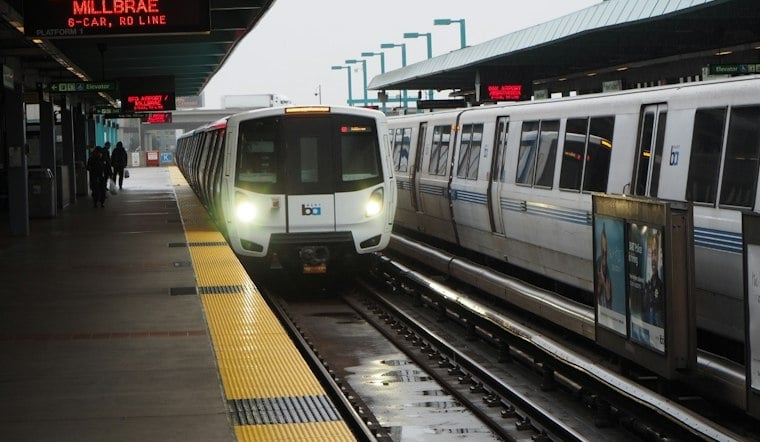
Bay Area voters have approved a regional transit funding measure expected to provide BART with about $310 million a year, averting proposed service reductions that would have made travel harder for riders and the people who depend on transit to reach jobs and services, CBS News reported. The new revenue is intended to support existing operations, not expansions or service improvements.
A regional measure, with county-specific allocations
The measure is broader than BART: Contra Costa County’s official summary estimates it will raise approximately $980 million annually across the district. Its distribution varies by county; the official measure text allocates 64.70% of revenues generated in Alameda County to BART for transit operations. That county-specific share is not the same as a percentage of all measure revenue.
The sales-tax changes are scheduled to take effect April 1, 2027. The measure provides for a 0.5% increase in Alameda, Contra Costa, San Mateo and Santa Clara counties, and a 1% increase in San Francisco, according to the San Francisco County Transportation Authority. Caltrain is slated to receive $70 million annually and AC Transit $50 million, the authority says.
Funding arrives after a difficult budget period
Approval does not mean the new money is immediately available. BART’s FY27 preliminary budget assumes the measure passes but says revenue will not begin flowing until April 2027. It therefore includes temporary actions to maintain service during the fiscal year’s first three quarters, according to the agency’s budget memo. BART’s earlier preliminary budget memo says the agency had relied on almost $2 billion in emergency assistance since 2020 to cover the gap between revenues and expenditures.
The measure also leaves financial questions unresolved. BART faces an estimated $50 million budget gap next year, which officials plan to address through internal savings rather than service cuts, CBS News reported. The agency had warned that without the measure it could cut trains to half-hour intervals, end daily service at 9 p.m. and begin laying off 1,200 employees in January. It had identified 15 stations that might face closure, but the board had not approved a final closure list before the vote.
The wider ridership picture helps explain why new operating funds do not settle the region’s long-term transit outlook. Bay Area ridership has rebounded, especially on weekends, but remains below pre-pandemic levels as remote and hybrid work continue, the San Francisco Standard reported. The measure gives agencies revenue for current operations; it does not, by itself, resolve the mismatch between ridership, operating costs and future funding needs.
What continued service means locally
One immediate consequence is that BART service can continue to connect riders with places that depend on it. CBS News reported that Victor Camarena rides from Hayward to the Tri-Valley Career Center in Pleasanton, where he helps people recently released from prison find work. The center is across the street from the Dublin/Pleasanton station. Its example illustrates a practical use of the network, though it does not establish how many people would have been affected by the proposed cuts.
For now, the vote has removed the immediate threat of the severe schedule reductions and possible station closures BART had outlined. The delay before tax revenue begins, the remaining budget gap and the unresolved longer-term funding challenges mean the measure preserves a service baseline rather than guaranteeing that BART’s financial pressures are over.





