

























































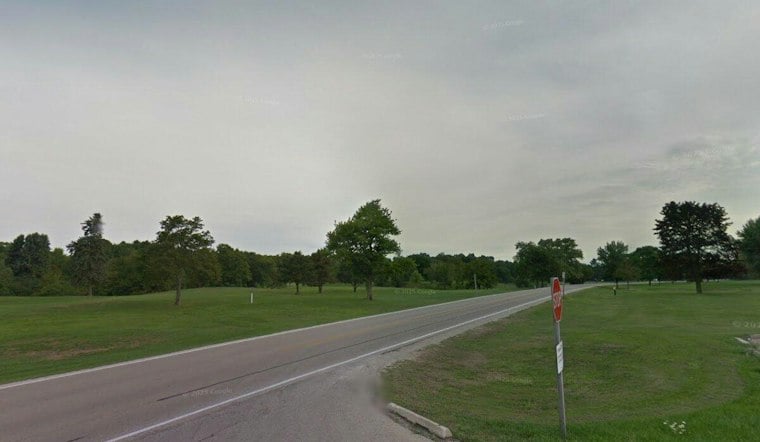
The Wisconsin Department of Natural Resources is weighing shoreline and bluff plans for Lighthouse Dunes at Shoop Park, a proposed dunes-style overhaul of the City of Racine-owned golf course in the Village of Wind Point. The Common Council approved the redevelopment in July, and the city has since submitted bluff-remediation and shoreline-improvement plans to the DNR. Birders say the proposed changes could reduce habitat at a lakefront site where 283 species have been recorded.
Longtime visitor Maritta Mountjoy was at Shoop Park on Tuesday scanning the water for scoters. In reporting from TMJ4 News, she said trees and brush give birds places to perch while they watch for fish. Hoy Audubon Society member Bob Salvatore, who has golfed and birded at Shoop Park for 50 years, told the station that the shoreline’s relatively unmanipulated condition supports a range of species and that birds need trees and larger bushes for habitat.
What the Redevelopment Would Change
Lighthouse Dunes at Shoop Park would replace the current municipal golf course with a dunes-style layout on the same lakefront site in the Village of Wind Point. The plan calls for clearing foliage along the lake and, after bluff-remediation work, replacing it with shrubs and native grasses, according to TMJ4’s report. City Public Works Commissioner John Rooney said shoreline protection costs would fall to the developer, not the city, which owns the property.
A project summary Matt Koepnick presented to the Common Council in March argued that existing vegetation contributes to bluff instability through root leverage, wind loading and soil movement, according to TMJ4. The summary also said just over 60% of birds known to use the area do not rely on tree or woodland habitat. Bird advocates say clearing habitat used by the remaining birds would still be a significant loss.
Birders Push for a Narrower Approach
Karen Johnson, a Wind Point resident and fellow Hoy Audubon member, called the plan potentially catastrophic for migratory bird habitat and said she would rather see a targeted approach than a wholesale clearing and replanting of the bluff. Johnson said she believes the golf course can still be redesigned responsibly without stripping out the vegetation birds depend on. Hoy Audubon president Mick Burke has described the stretch of shoreline as a rare stopover on the western shore of Lake Michigan for thousands of migratory birds, noting that 283 species have been spotted there since records were kept.
Hoy Audubon is working to submit its own landscape research to the DNR as the agency weighs the shoreline application. Separate reporting from Racine County Eye indicated the golf group behind the project would be required to spend at least $10 million on redesigning the course and related improvements under the terms approved in July. WGTD has also reported that some environmentalists fear the changes could make the area less attractive to migratory birds overall.
Permit Review and Public Comment
The Wisconsin DNR's own guidance acknowledges that planted vegetation, including dune grasses and shoreline tree species such as willows, cottonwood and basswood, can be used to help stabilize a sand beach. The agency's permit application form for the Shoop Park project states the purpose is to place a structure that would stabilize eroding lake shorelines, according to Wisconsin DNR filings. Per John Rooney, the DNR has 20 days after the public comment period closes to approve, conditionally approve or deny the permit, with the decision based on whether the project meets state environmental and statutory standards.
How Shoreline Review Fits the Wider Context
The DNR’s general guidance says Great Lakes shoreline-protection projects must minimize lakebed fill and impacts to nearshore areas and neighboring properties. The agency also describes the Lake Michigan and Lake Superior shorelines broadly as important for fish and wildlife habitat and recreation; these standards and statements do not determine the outcome of the Shoop Park application. A Southeastern Wisconsin Regional Planning Commission park plan mentions Shoop Park Golf Course and primary environmental corridors, but it is not an assessment of this project’s effects, according to the Wisconsin DNR and the Southeastern Wisconsin Regional Planning Commission. A separate Wisconsin case illustrates that shoreline projects can have effects beyond the bluff they are intended to stabilize. A $12 million structure completed in 2007 at Concordia University Wisconsin in Ozaukee County stabilized an eroding bluff, but Wisconsin Watch reported that it altered downstream beaches and led to litigation and repairs. That project involved a large shoreline structure and does not establish what effects the Shoop Park proposal would have, according to Wisconsin Watch.
Public comments must be submitted or postmarked within 10 days of the November 5 public hearing, and residents can send comments by email, phone or mail to Sonya Ponzi, referencing docket number IP-SE-2026-52-02708 or applicant John Rooney and the City of Racine. The DNR generally posts public notices for individual permit applications for 60 days, according to the agency's public notice guidelines. Developer Craig Leipold, identified as the figure behind the project, did not respond to TMJ4's request for comment by its deadline.





