

























































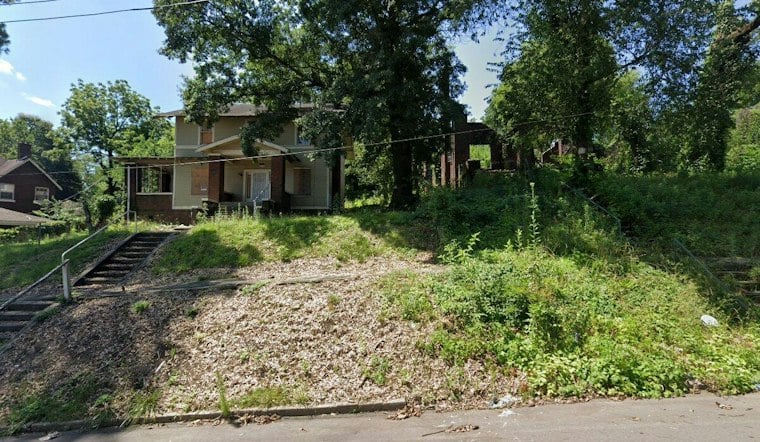
The remains found in a long-abandoned Ensley house in 2019 belonged to Walter Lee Todd, a 73-year-old Birmingham man last known to be alive in 2013. Jefferson County officials say the property had previously belonged to the Todd family. The identification answers who the remains were, but not when or how Todd died.
Birmingham police responded to 1807 27th Street Ensley on May 30, 2019, after a new owner hired workers to clear the property, according to ABC 33/40. The house had been empty for several years. Its connection to the Todd family became clear only after investigators identified the remains.
Years of Dead Ends
An autopsy did not establish how or why Todd died. ABC 33/40 reported that investigators could not identify the remains through traditional methods in the months after their discovery. A public appeal by the coroner's office in June 2019 brought no leads, and entering the case into the National Missing and Unidentified Persons System (NamUs) the following month also did not produce an identification.
DNA testing confirmed the remains belonged to a male, and investigators entered the profile into the FBI's Combined DNA Index System (CODIS), without a match, the station reported. Investigators also found that no missing-person report had been filed for Todd. The identification remained unresolved until the later genetic-genealogy work.
A Break From Forensic Genealogy
In May 2025, investigators submitted a DNA sample to Othram Inc., which specializes in forensic genetic genealogy. The method can help identify unknown people by tracing genetic relationships and possible family connections. Over the following 18 months, investigators contacted distant relatives in several parts of the United States and worked through the family tree to find Todd's immediate relatives.
ABC 33/40 reported that Todd's relatives had not been in contact with him for several years. They provided additional DNA samples, which established that the remains were his. The identification resolves Todd's identity, while the circumstances of his death remain unknown.
What DNA Databases Can—and Can't—Tell Investigators
CODIS and forensic genetic genealogy use different approaches. The FBI explains that forensic genetic genealogy uses non-law-enforcement DNA databases and different markers from the 20 markers used in CODIS law-enforcement offender searches. These methods can provide different investigative leads; an identification alone does not establish cause or manner of death. The FBI information cited here describes that distinction, but does not detail safeguards for a particular investigation.
NamUs data offer broader context, though they do not by themselves show whether identifications are becoming more common over time. The National Institute of Justice's FY 2024 NamUs report says 61,492 missing, unidentified and unclaimed cases had been resolved since the program began. More than 11,300 identifications were attributed to methods including DNA, forensic genetic genealogy, dental, fingerprint, anthropological and radiograph comparisons.
Burial Plans Move Forward, Questions Remain
The coroner's office has not disclosed when Todd died, how long his remains were in the Ensley house, or the circumstances of his death. His cause and manner of death remain undetermined. Todd was a military veteran, and his family is making arrangements for his interment at a national cemetery.
Todd's identification is not the only case in which Othram has been associated with work for the same coroner's office. DNA Solves lists another Birmingham identification, Willie Warren Tansil Jr. The cases illustrate the role genetic genealogy can play in identifying remains; they do not, by themselves, resolve the circumstances of a person's death.



