

























































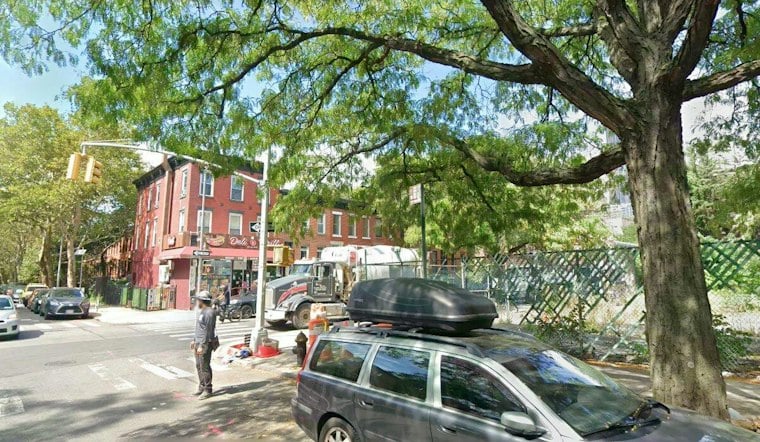
A parking lot at 153 Nevins St. in Boerum Hill is being eyed for a 10-story building with 70 affordable, rent-stabilized apartments, part of a wave of city-backed conversions turning underused lots into housing. The project, led by the nonprofit Fifth Avenue Committee, would bring two- and three-bedroom units aimed at families and formerly homeless households to the site, along with a job-training center and shared community space.
The plan was reported by Crain's New York Business, which noted the site is being considered for review under the city's newer fast-track land use process. According to the Fifth Avenue Committee, the development at 153 Nevins St. will bring 70 affordable, rent-stabilized homes to the community, with the project prioritizing families and formerly homeless individuals in its mix of two- and three-bedroom apartments, per the organization's press materials.
Beyond the apartments themselves, the building is designed with shared amenities in mind. The Fifth Avenue Committee says the building will also feature a community room, laundry facilities, an exercise room, and a backyard with play areas, giving residents gathering spaces beyond their individual units.
A Job-Training Center Built Into the Building
The development also carves out space for workforce development, not just housing. Working in partnership with Brooklyn Workforce Innovations, the project will include dedicated community facility space meant to expand access to educational and job training opportunities, with the goal, as the nonprofit puts it, of helping New Yorkers build their careers.
The city's Department of Housing Preservation and Development previously described the plan as converting the parking lot at 153 Nevins Street into approximately 70 brand-new affordable, rent-stabilized homes, according to a city announcement from the agency. That framing positioned 153 Nevins as the second Boerum Hill parking lot in recent memory slated for an affordable housing conversion.
Sustainability Standards and a 2029 Target
The project has also picked up recognition on the sustainability front. Fifth Avenue Committee's 153 Nevins Street project is a 10-story, 70-unit affordable housing development backed by a $1.2 million award after earning a spot among the winners of the New York State Energy Research and Development Authority's Buildings of Excellence competition, the nonprofit's blog post explains. The building is designed to meet rigorous standards, including Passive House Institute Classic certification, WELL building standards, LEED, and Energy Star, with dedicated support for formerly homeless households and deeply affordable units for local families built into the unit mix.
Completion is slated for 2029, per the same blog post. That timeline places 153 Nevins alongside other recent efforts to convert city parking lots into housing stock in the neighborhood and beyond — a separate lot on Third Avenue between Bergen and Wyckoff Streets in Boerum Hill was announced for conversion into roughly 68 units of newly affordable senior housing, according to the city housing agency, while an underused NYPD parking lot in the East Village was slated to become 131 affordable homes along with a senior center and community space, per the mayor's office.
A Faster Review Process Takes Shape Citywide
The city has also been rolling out a streamlined approval pathway for affordable housing projects this year. The mayor's office says the first project to use the city's Expedited Land Use Review Procedure was 351 Powers Avenue, a disposition of city-owned land that would create approximately 84 affordable homes. Whether 153 Nevins Street itself will move through that same expedited process has not been established in materials reviewed so far, leaving the project's exact review path an open question for now.
For Boerum Hill residents watching the parking lot's transformation unfold, the project represents another step in a broader citywide push to wring affordable housing out of underused municipal land — one that pairs new apartments with workforce support meant to serve residents well beyond their move-in date.





