

























































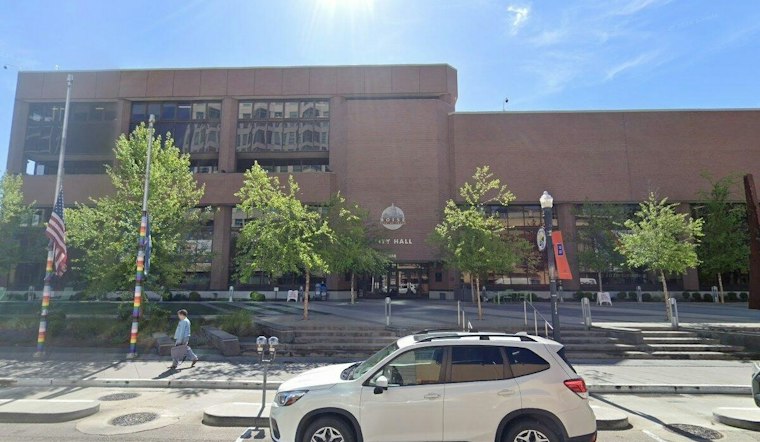
Boise commercial developers currently pay impact fees that fund fire and police services when they build new offices, stores or warehouses — but not park impact fees. Under the current system, park impact fees apply to residential development.
Right now, Boise assesses park impact fees only on residential developments, according to the City of Boise, which states plainly that commercial development pays only fire and police impact fees because it typically does not directly impact regional and local parks. New residential projects, by contrast, pay into parks, fire and police impact fee types alike. BoiseDev also describes the distinction between residential and commercial impact fees.
How the Current System Divides the Costs
Impact fees are charges collected from new developments to help pay for infrastructure needed to serve growth, though state rules bar the money from covering maintenance or operating costs. Under Boise's current framework, the city collects local and regional park fees from residential developments — local fees support parks in specific geographic areas, while regional fees support eligible parks and amenities meant to serve the whole city. Commercial projects do not pay park impact fees under the existing structure.
A key policy question is how to fund infrastructure used by residents and visitors without making costs so steep they discourage businesses from building in Boise.
Sizing Up Businesses by Category and Footprint
Impact fees can be structured to reflect different demands businesses place on city infrastructure. A fee schedule could use broad or more specific commercial categories to set fees in proportion to a business's impact.
One possible design question is whether small-square-footage commercial developments should be excluded from a new fee. Another possible approach would be to create policies that encourage neighborhood small businesses.
Waivers Would Reduce Revenue
Any waiver would reduce the impact-fee revenue available to the city. Boise offers an impact-fee deferral program for eligible affordable-housing projects, allowing them to postpone payment until a certificate of occupancy.
One possible approach to allocating commercial impact-fee revenue would be to direct it to parks near the development that generated it rather than distribute it citywide.
What Happens Next
Boise's current impact-fee framework assesses park impact fees on residential development, while commercial development pays only fire and police impact fees. Boise's 2022 impact fee study forms part of the city's framework for planning impact fees as Boise grows. The city typically updates its capital improvement plans and impact study every five years, per the City of Boise's impact fee report.
Potential changes would raise questions about which projects could be eligible and how collections could support parks in growing areas. The Development Impact Fee Advisory Committee reviews capital improvement plans and proposed amendments and can file written recommendations.
Idaho state law defines a development impact fee as a payment imposed as a condition of development approval, meant to cover a proportionate share of the system-improvement costs needed to serve that development, according to the Idaho Legislature. Boise's own impact fee report echoes that limit, noting fees cannot exceed a new development's proportionate share of the capital improvements needed to serve new growth.
How Other Treasure Valley Cities Handle It
Nampa offers a messier comparison. The city's 2022 impact-fee study states that parks fees are allocated only to aggregated residential development, according to the City of Nampa's impact fee report, which calculated a parks impact fee of $2,340 per residential unit. Yet Nampa's own development fees webpage describes the city collecting fees for services including parks from growth-related residential and commercial building permits alike, without clarifying how park fees specifically apply to commercial projects — a discrepancy the available city records don't resolve. Nampa's study does allocate street impact fees separately by land use, including retail, office and industrial categories, and the city assesses and collects its impact fees before issuing any building permit, residential or commercial.
Mitigation fees have also stirred debate in Nampa recently. A 2025 BoiseDev report noted several Nampa council members expressed interest in meeting to discuss requiring mitigation fees on future developments, though the council ultimately passed its East Ranch Subdivision ordinance without attaching a mitigation-fee condition. That same report quoted a Nampa council member noting that the City of Star had begun charging $3,600 for police and $3,500 for fire through development terms, an example of how smaller Treasure Valley cities are experimenting with their own fee structures as growth continues to reshape the region.




