

























































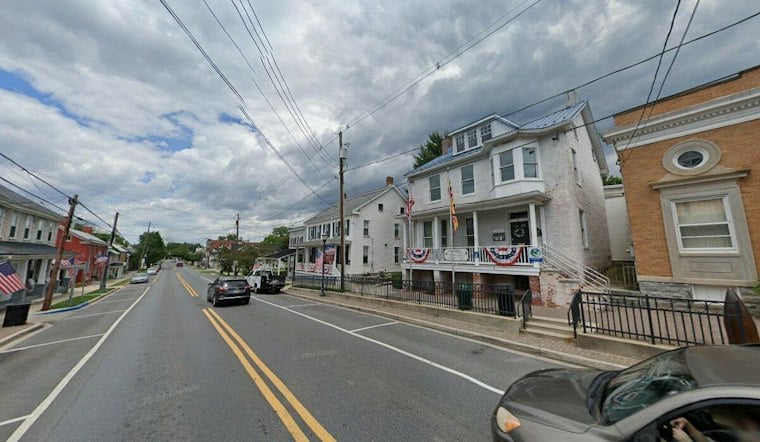
Boonsboro's Municipal Utilities Commission has hit pause on a request to confirm water and sewer capacity for 53 proposed homes at the Dean North development, saying the town doesn't yet have enough information about its water supply and aging infrastructure to sign off. The commission voted unanimously to postpone the capacity decision until officials gather more data, with a possible return to the issue in January.
Why the Vote Got Delayed
The commission cited uncertainty about water supply and aging infrastructure in deciding to hold off, according to LocalNews1. The Dean North development, as proposed, would add 53 homes to the town, but the project has not yet received subdivision or site-plan approval from the town planning commission, the outlet reports. That approval gap means the capacity question is being worked out well before any homes could actually break ground.
The numbers behind the hesitation point mostly at water, not wastewater. A WRA capacity briefing described in a report from Citizen Portal put average daily water demand across Boonsboro's system at 410,000 gallons, based on a five-year average. The same briefing placed the town's permitted water appropriation at about 682,000 gallons per day, with maximum production estimated at roughly 519,000 gallons per day if every well and plant ran flat out.
Sewer Capacity Looks Far Less Tight
By contrast, the town's wastewater system appears to have considerably more breathing room. Minutes from an October 2025 Boonsboro Municipal Utilities Commission meeting put permitted wastewater treatment capacity at 0.53 million gallons per day, with average flows of 0.30 million gallons per day based on a three-year average. That left 0.23 million gallons per day of available capacity, enough, the town calculated, to serve 920 equivalent dwelling units.
Boonsboro's sewer treatment plant currently operates at approximately 30 to 35 percent of capacity and has ample unused capacity to spare. That's a sharp contrast with the water side of the ledger, where water treatment and distribution present greater obstacles to serving additional development than sewer treatment does, officials say.
A New Reservoir Changes the Math, But Not Yet
Much of the uncertainty traces back to Boonsboro's new drinking-water reservoir, which began operating three months before the capacity vote and was completed in August 2026. The new reservoir has largely eliminated water losses from leaks that plagued its predecessor, though the size of those historical losses is described differently across sources. LocalNews1 has reported an officials' estimate that the old reservoir lost 80,000 to 100,000 gallons of water daily through leaks, while a 2021 report from Herald-Mail Media quoted the town manager saying about 15,000 to 20,000 gallons entered the old reservoir each day without coming back out — and a separate LocalNews1 report cited Maryland environmental records estimating the leak at about 15,000 gallons per day.
Regardless of which historical estimate is used, officials say the reservoir's benefits will take years to be fully reflected in the town's capacity calculations, which are built on a five-year average of water consumption dating back to 2021. A Citizen Portal report on the new reservoir's early performance found it producing somewhere between 80,000 and 100,000 gallons of water per day, with staff there recommending a post-construction hydraulic model before any pumps get replaced. A March 2026 capacity briefing had already flagged a narrow operational margin if the town were to lose its primary seasonal water source, urging the board to weigh redundancy options and funding paths.
What Officials Say They Still Need
Boonsboro officials say they need additional operating data to determine how much water supply capacity the town can reliably count on, and they want engineering estimates for pumping equipment and water-line improvements that might ultimately be necessary. Current capacity calculations, built on that multi-year consumption average, show a deficit in available capacity even as the new reservoir comes online.
The commission also used the discussion to weigh who should pay for whatever upgrades are eventually needed, debating whether developers should directly fund project-related improvements and whether existing utility customers should help cover broader infrastructure upgrades through a capital improvement fee. No such fee was proposed for adoption. A public works employee told the commission that previous developments have added maintenance burdens without bringing in sufficient funding to cover repairs.
Next Steps for the Budget and the Development
Town Manager Rachel Souders is expected to hold additional budget workshops to walk residents through the projects and costs under consideration, and she plans to compile a list of long-standing infrastructure needs, cost estimates and priorities ahead of the next town budget. The commission plans to revisit the Dean North capacity request once it has gathered sufficient information, with officials pointing to a possible return as soon as January.
The capacity pause isn't the only hurdle facing the broader project. A separate review of the related Fletcher's Grove/Dean North subdivision has been put on hold pending a meeting about stormwater connections and possible pond modifications, according to Citizen Portal, with staff and the developer still needing to work out easements with two affected residents.





