

























































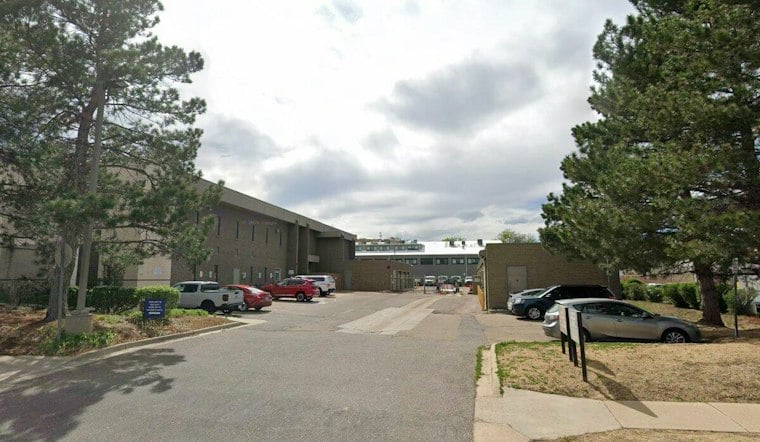
A Boulder County judge has refused to dismiss a class-action lawsuit challenging the Boulder Police Department’s use of Flock license plate cameras, ruling that two drivers plausibly alleged the system can track their movements in ways that violate the Colorado Constitution. The order, issued Nov. 18 by District Court Judge Michael Kotlarczyk, keeps alive a case that could reshape how the department uses its network of 31 monitored intersections.
What the Judge Decided — and What He Didn’t
According to Denver7, Kotlarczyk found that plaintiffs William Freeman and Gwen Steel plausibly alleged the Boulder Police Department’s use of Flock violates their reasonable expectation of privacy by enabling officers to track their movements. The Denver Post reported the ruling before Denver7 and said the judge denied the city’s motion to dismiss the class action outright. But Kotlarczyk was careful to note the limits of his ruling, writing that it does not resolve the ultimate question of whether the department’s implementation and use of Flock does in fact violate the Colorado Constitution, according to the Colorado Freedom of Information Coalition. Plaintiffs must still present evidence as the case moves forward.
The lawsuit, filed in Boulder County District Court on May 27, 2026, names Police Chief Stephen Redfearn and records supervisor Dawn VanAckeren as defendants, per the complaint filed in Boulder County District Court. Freeman and Steel brought the case on behalf of themselves and others in similar situations, alleging that Boulder’s Flock surveillance violates the Colorado Constitution and that the city improperly denied a records request Freeman filed for images of his own vehicle. The complaint describes two separate categories of claims, one over the surveillance itself and one over the city’s records handling.
Cameras, Commutes and a Search Without a Warrant
Boulder Police contracts with Flock to operate cameras at 31 monitored intersections, according to Denver7’s reporting, with the devices photographing every vehicle — including bicycles — that passes through. Flock has stored camera images for 30 days, and the plaintiffs allege any officer can search those images without a warrant, probable cause or supervisory approval. Flock’s vehicle journey map tool, the complaint alleges, lets officers view where a given vehicle was photographed over a chosen period, something plaintiffs say can create a near-complete record of a person’s movements.
Freeman passes five Flock cameras on his daily commute and says he has been captured hundreds of times over the past two years, a detail also noted in the Denver Post’s account of the case. Steel is captured on her commute four days a week, and separately while running errands, attending gatherings at Boulder’s Islamic Center, and going to protests, according to the allegations in the complaint.
Boulder’s Defense and the Judge’s Response
The city argued that the cameras alone do not constitute a government search because police only access images after querying the database, and that people have no reasonable expectation of privacy while driving on public roads that require visible license plates. Kotlarczyk described the public nature of roads as the city’s strongest argument for dismissal, and cautioned that a challenge limited narrowly to license plate cameras alone might not survive it. But he rejected the broader argument that contracting with Flock lets the city sidestep its constitutional obligations, writing that Boulder contracted with Flock to operate the cameras and store the resulting data. He found the alleged system could produce a sufficiently detailed record of a person’s movements for the case to proceed at this stage.
The records dispute stems from a request Freeman filed on Dec. 23, 2025, for images of his own vehicle captured by Flock. The Boulder Police Department said running that search would violate its policy and contractual obligations, and VanAckeren said the city did not possess responsive documents because producing them required running a search. Kotlarczyk disagreed, ruling that searching an existing database does not amount to creating a new record, and that Boulder cannot use its Flock contract to avoid obligations under the Colorado Criminal Justice Records Act, as detailed by the Colorado Freedom of Information Coalition.
Attorneys Look Toward a Jury Trial
Andy McNulty, a civil rights attorney with Newman|McNulty who represents the plaintiffs, said the case challenges Flock’s capture and storage of drivers’ movements in a database police can search without a warrant. McNulty said the litigation will move toward a jury trial, which he hopes will happen next year, and that he hopes other municipalities will stop using Flock altogether. The city of Boulder said it cannot comment on ongoing litigation but looks forward to presenting its perspective and legal arguments in upcoming court filings and hearings.
The case is set for review on Dec. 9, according to online court records cited by the Denver Post. Boulder’s camera program has drawn separate scrutiny this year: a proposed pilot for a new automatic license plate reader system never occurred on the schedule the city originally described, and Boulder Reporting Lab reported that Flock separately announced plans to shorten its standard data-retention period from 30 days to seven and add audit tools meant to flag suspicious searches.
A National Reckoning Over License Plate Readers
Boulder’s fight is unfolding alongside a broader wave of challenges to Flock nationally. A federal judge in Tulsa ruled in October that a sheriff’s deputy violated a woman’s Fourth Amendment rights by using Flock to search for her license plate without a warrant, though TechCrunch noted the ruling does not create binding precedent. By contrast, a U.S. district judge in Virginia found that Norfolk’s use of Flock cameras did not violate residents’ Fourth Amendment rights, while cautioning that the constitutional balance could shift as camera numbers grow, according to Boulder Reporting Lab’s earlier coverage of the Boulder suit.
Several California cities have moved to pull back from Flock entirely in recent days. Pasadena’s city council voted on Nov. 17 not to renew its Flock contract, which is set to expire in February, and San Diego revoked its automated license plate recognition use policy on Nov. 16, directing that its cameras be shut down and removed, according to USA Today. West Hollywood, meanwhile, opted on Nov. 16 to table discussion of its own license plate reader program for its incoming council. For now, Boulder’s use of Flock has not been determined to be unconstitutional — that question remains for the case ahead.





