

























































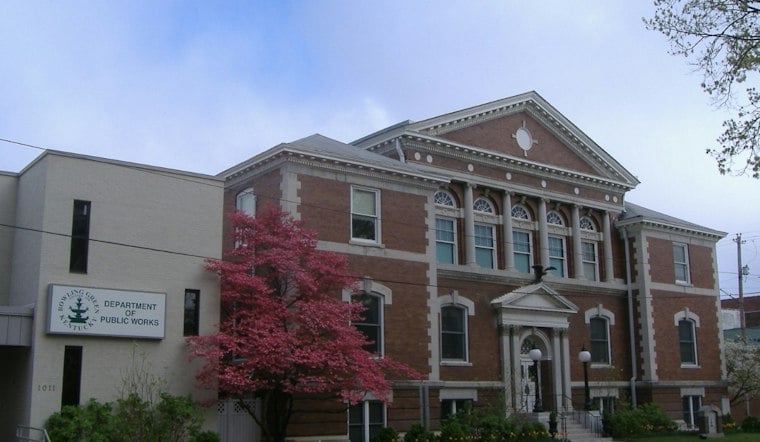
Bowling Green property owners will start paying a new monthly charge on their utility bills in 2027 to help the city fight the kind of flooding that tore through neighborhoods last year. The city commission unanimously passed the stormwater utility fee in the wake of that flooding, and homeowners will see an extra $4 added to their bills each month once it takes effect.
According to bgdailynews.com, the utility is scheduled to take effect on Jan. 1, 2027, with households charged $4 per month, or $48 a year. Larger properties, including restaurants, schools and other commercial sites, will pay more depending on how much impervious surface they have, with non-residential charges set at $4 per equivalent residential unit — a measure equal to 4,200 square feet of impervious surface, per the same report. Bowling Green property owners will see the new charge on their bills starting in the first quarter of 2027, according to the WNKY report that first detailed the rollout, which also said the city expects to raise around $3.5 million annually through the new utility.
Why the City Says It Needs the Money
City officials have pointed directly to the devastating flooding of 2025 as the reason for the new fee. Bowling Green Finance Director Debi Highland West said the April floods demonstrated the need for the stormwater utility funding, and that the city handles taxpayer dollars seriously while aiming for a fiscally conservative budget, per WNKY. She added that the fee will be implemented in the first quarter of 2027.
The city declared a state of emergency amid flooding it called historical in April 2025, after a multi-day stretch of rain dumped more than 10 inches of water across the Bowling Green and Warren County region, the station's report notes. At the height of that event, the city said both its storm sewer system and the cave system it relies on beneath it were overwhelmed. Bowling Green has experienced swift growth in recent years, and the 2025 floods caused some of the worst flood-related damage the city has seen in recent memory, according to WNKY.
Karst Geology Complicates Drainage
Part of the challenge is geological. Bowling Green relies on its underlying karst system — a landscape riddled with caves, sinkholes and underground streams — to help drain stormwater, and the city says this creates unique drainage challenges found at the city's stormwater utility page. City officials also describe much of the existing stormwater infrastructure as aging and undersized, a combination that has made the city more vulnerable as it has grown. Officials are careful to note that no system can eliminate all flooding, though they expect the utility to help reduce it over time, and say the fee itself functions as a service charge rather than a tax, similar to water or wastewater billing, with the ordinance restricting how the money may be spent to stormwater-related work.
In the aftermath of the 2025 flooding, the city bought at-risk property to mitigate future flooding risks and expanded existing stormwater infrastructure. By mid-July 2025, the city had acquired four properties along Cave Mill Road and one on Brighton Avenue, totaling more than $1.56 million, according to a separate bgdailynews.com report. That included a $270,600 purchase of 1112 Cave Mill Road, which the outlet reported was the fifth property the city had acquired since the April flooding. City officials said the flood-damaged homes on those properties could ultimately be torn down, with the land repurposed into stormwater mitigation areas.
Separate Funding for Aging Pipes
The new utility fee isn't the only money flowing toward Bowling Green's stormwater system. A separate $3.8 million in funding was announced for a city stormwater line repair, according to a WNKY report on infrastructure problems along Chestnut Street. That report found a 900-foot section of the Chestnut Street storm sewer between Fifth and Second streets was running at only about 33% of its original design capacity because of a structural deficiency. Officials said the funding would allow for a full reconstruction of that system, eliminating a faulty pump station, improving capacity, and reducing the potential for flooding in the surrounding neighborhood.
The city is also expecting additional stormwater revenue beyond the new monthly fee. More than $600,000 is expected to come into the city in the near future through its fee-in-lieu-of-construction program, which funds stormwater infrastructure improvements, bgdailynews.com reported. The city has also said fee increases are likely down the road, typically tied to inflation and system needs, as Bowling Green continues working to catch its drainage system up to the demands of its growth — and its geology.





