

























































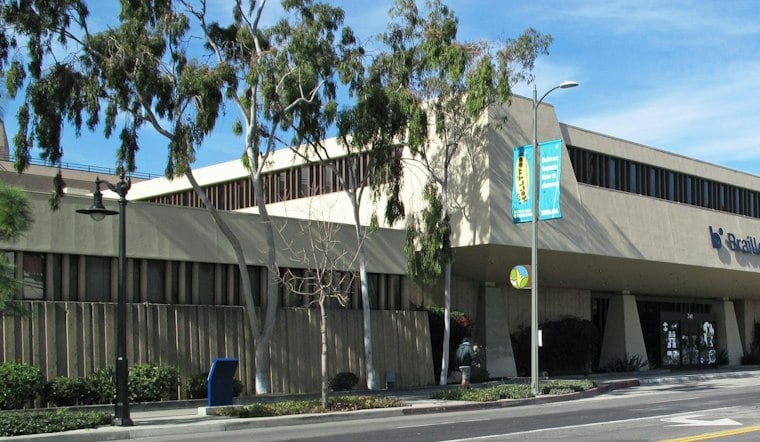
A new training space inside Braille Institute in Los Angeles is giving people who are blind or have low vision a chance to rehearse something many sighted commuters take for granted: getting on and off public transit without a hitch. The Mobility Lab includes a full-size replica of an L.A. Metro train stop and a simulated apartment, built so riders can practice everyday navigation before stepping onto an actual platform.
According to Spectrum News, Braille Institute opened the lab as part of its Los Angeles campus, giving people who are blind or have low vision an immersive, controlled environment to build confidence and practice independent navigation skills safely. The outlet reports the lab is designed to prepare people to transition into real-world transit environments, meaning the skills practiced inside those mock settings are meant to carry over directly to actual bus stops, train platforms, and city sidewalks.
A Safe Place To Fail Before It Matters
The idea behind replicating a Metro stop indoors is straightforward: letting someone practice boarding, seating, and orientation in a space with no real trains, no real traffic, and no real consequences for a wrong turn. That kind of rehearsal space echoes services Braille Institute already offers through its Orientation & Mobility program, which includes one-on-one consultations with a specialist that are free to students and can take place at the student's home or at the center closest to them, according to brailleinstitute.org. That same program already includes practicing seating on a bus, the organization notes, suggesting the new lab builds on skills the nonprofit has worked on for years, just now under one simulated roof.
Braille Institute serves people who are blind or have low vision and also offers free classes in art, music, job skill training, and other subjects, per the Spectrum News report. The Mobility Lab adds a transit-specific piece to that broader slate of services, giving riders a dedicated space to work on the kind of independent movement that can otherwise feel daunting to practice for the first time in public.
What Riders Face Once They Reach The Real Platform
Once someone leaves the simulated environment, the actual Metro system does have accessibility features built in. Automated stop announcements run on buses and trains, Braille and tactile station signage marks key areas along with directional signage near stairs and escalators, and yellow platform gap warning poles plus textured platform edges are meant to add a layer of safety at stations, according to Metro's own accessibility guide posted on metro.net. A mock platform built to mirror those conditions gives riders a chance to get used to that signage and those cues before relying on them for a real trip.
The Mobility Lab isn't the first attempt in Los Angeles to smooth the path for blind and low-vision transit riders. Back in 2019, Metro tested an indoor GPS system called Wayfindr at Union Station, using 21 beacons placed throughout the station that connected to software on a smartphone to guide users, as reported by spectrumnews1.com. That three-week pilot drew more than 50 visually impaired volunteers who helped test the technology, and at the time, Metro hoped to offer the service by the end of that year, the outlet noted. A year earlier, Metro had also planned to install 700 Bluetooth beacons across the historic 161,000-square-foot Union Station to provide audio directions to visually impaired passengers via smartphone, according to a report from govtech.com.
Other Cities Have Tried Their Own Living Labs
Los Angeles isn't alone in experimenting with hands-on accessibility testing. New York City Transit turned Brooklyn's Jay St-MetroTech Station into an accessible “living lab” from October 2019 to January 2020, according to mta.info. During that stretch, the agency tested more than a dozen new features designed to make subway travel easier for riders with vision, hearing, mobility, or cognitive disabilities, and its Systemwide Accessibility Team conducted more than 30 tours involving over 300 people while collecting more than 1,000 survey responses.
Las Vegas took a different, more permanent approach. The Regional Transportation Commission of Southern Nevada opened a nearly 15,000-square-foot Mobility Training Center in 2016 that includes complete mockups of buses, sidewalks, and ticketing kiosks, per the govtech.com report. RTC instructors there offer free training to physically disabled, blind, visually impaired, or elderly riders who use the region's bus system. Boston and Austin, meanwhile, leaned on beacon technology rather than physical replicas — Boston's MBTA planned a pilot equipping around 100 stops on two bus lines with Bluetooth beacons to guide BlindWays users to the bus door, while Austin ran a pilot through Capital Metro involving Connecthings, BlindSquare, and BlueCats technology across 16 downtown bus stops, both according to govtech.com.
Braille Institute's new lab lands somewhere between those two approaches, favoring a built physical space over beacons and apps. Whether its simulated train stop or apartment reflects specific Metro stations or routes wasn't detailed in the available reporting, but the goal described by Spectrum News is consistent with what other cities have chased for years: giving riders who are blind or have low vision a low-stakes place to practice before the real trip actually begins.





