

























































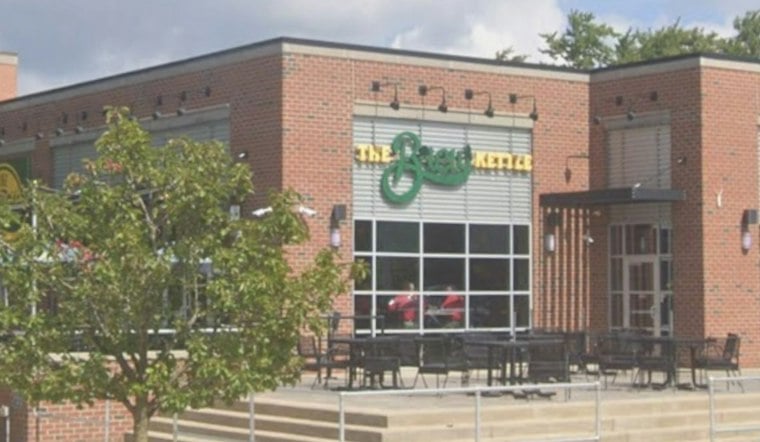
The Brew Kettle is packing up its Hudson taproom in 2027, and a high-end Latin American restaurant called Spicy Lemon is slated to take its place inside the building at 11 Atterbury Blvd. Owner Bryan Weber says the brewery is leaving the location it has occupied since 2017 after the building was sold, but he insists the move is actually paying off for his company.
According to Cleveland.com, the Hudson building, which Weber built in 2013, was sold to Roger DeVille of DeVille Developments, and Brew Kettle held tenant rights at the site before the deal was struck. The new owners have roots in Northeast Ohio and operate 29 restaurant concepts, and they're planning about $700,000 in building improvements, including enclosing the patio and opening up four garage doors, per the same report.
The Hudson property is part of a broader commercial real estate portfolio: DeVille Developments’ portfolio lists the Atterbury Boulevard Brew Kettle site alongside restaurant properties including City BBQ in Fairlawn and Chipotle locations in Canton and Broadview Heights. That puts the Hudson deal within a longer record of developing and leasing restaurant-oriented properties across Northeast Ohio, beyond the new owners’ restaurant ventures. The company’s portfolio also includes retail centers and other commercial tenants.
A Latin American Concept, Not Mexican
Weber was careful to clarify what's actually moving in. The Hudson concept will serve Latin American cuisine with roots in Peru, Ecuador, El Salvador and Venezuela — not a Mexican restaurant, he emphasized. Renderings created by Cleveland-based Tomsik Tomsik Architects Inc. show the new restaurant's name as Spicy Lemon, and one owner involved in the Mentor restaurant deal is also part of the group behind the Hudson project.
Construction on the Hudson project is expected to start after Jan. 1, 2027, Weber said, with the new restaurant targeting a spring opening. The report notes that the Brew Kettle has locations in Canton, Brunswick and Strongsville, in addition to its main brewery in Middleburg Heights.
The Brew Kettle’s history predates its multi-location restaurant business. The company traces its start to Strongsville in 1995, when it opened as what it calls Ohio’s first brew-on-premise microbrewery—a format that let customers make beer using the brewery’s equipment and staff. The company later expanded from that hands-on model into a production brewery and brewpubs. Its own history dates the Hudson brewpub to 2017, making the planned departure the end of a decade-long outpost, not the end of the brewery’s production operation.
Why Weber Calls the Deal a Win
Rather than frame the exit as a retreat, Weber described turning a forced move into leverage. “But we worked out a deal by which I could turn lemons into lemonade,” he said. As part of the arrangement, the new owners agreed to put Brew Kettle beer in all of their restaurant locations, a deal Weber says strengthens the brewery's on-premise presence far beyond a single taproom.
“Twenty-nine restaurants can sell more award-winning beer than one location, right?” Weber said. He pushed back on speculation that the company is stepping away from restaurants altogether. “The rumor is Brew Kettle is getting out of the restaurant business. That's not it,” he said, pointing instead to a planned taproom and restaurant with a completely different menu at the company's main production facility on Sheldon Road in Middleburg Heights, expected to open in early 2027.
Brewery Remains the Core Business
Weber said the Middleburg Heights brewery is the company's core asset, noting that on-premise buyers account for 58% of Brew Kettle revenue, with off-premise locations making up the remaining 42%. He credited advice from John Lane, who, as Weber recounted it, told him to stop trying to be a restaurant chain and competing with Brew Kettle's best customers. Weber said his goal is simply to make the best liquids possible and grow the brewery, and he described the company as seeking alliances that strengthen its on-premise footprint — moves that included the brewery's purchases of Akronym and Lock 15 breweries in Akron and Terrestrial Brewery in Cleveland.
The industry backdrop is mixed for businesses built around beer and dining. U.S. craft-beer production fell 4% in 2025, but the decline varied by business model: brewpub production was down 1.7%, compared with a 3.9% drop for taprooms and an 8.9% drop for microbreweries. The Brewers Association also reported that craft beer’s retail dollar sales fell 2.8%, to $28 billion. The trade group’s 2025 figures offer national context for Brew Kettle’s focus on production and wider restaurant distribution, though they do not explain the Hudson decision.
Weber said the brewery is having a record year, with breweries up 7%, on-premise business up across restaurants, hotels, country clubs and Progressive Field, and grocery sales up about 2%, the outlet reported in an earlier story about the company's Mentor location.
A Harder Lesson in Mentor
The Hudson shakeup follows a rockier outcome at Brew Kettle's Mentor location, where high costs and low traffic led the company to close its tavern there, according to a separate cleveland.com report. That space, next to Great Lakes Mall, closed in August 2025, reopened after a massive renovation in June 2026, but revenue spiraled downward almost immediately — a slide Weber attributed to both rising costs and a generational shift in customer habits. He said utility prices had climbed almost 31% year over year, with labor costs also rising. El Palenque Mexican Grill and Cantina is now moving into that former Mentor space.
The pressures Weber describes echo broader turbulence across the industry. The Brewers Association reported that U.S. craft beer production fell 4% in 2025 to 22,034,000 barrels, while craft beer's retail dollar value declined 2.8% year over year to $28.0 billion, and the number of operating U.S. craft breweries fell to 9,578 — a 2.9% net decline from 2024. The trade group noted that hospitality-driven models like brewpubs and taprooms remained comparatively resilient, particularly when they offer differentiated value to budget-conscious consumers, a dynamic that may help explain why Weber is steering Brew Kettle toward beer placement deals with restaurant partners rather than running every taproom himself.




