

























































Brooklyn theatergoers are trading their seats for jury boxes tonight, as Fever's The Jury Experience puts audiences in charge of deciding a fictional murder case inside Roulette Intermedium in Boerum Hill. Two performances, one at 6 p.m. and another at 8:30 p.m., ask attendees to weigh witness testimony and forensic evidence before voting on whether a politician's son is guilty of murder after a speedboat outing that left one person dead and another in a coma.
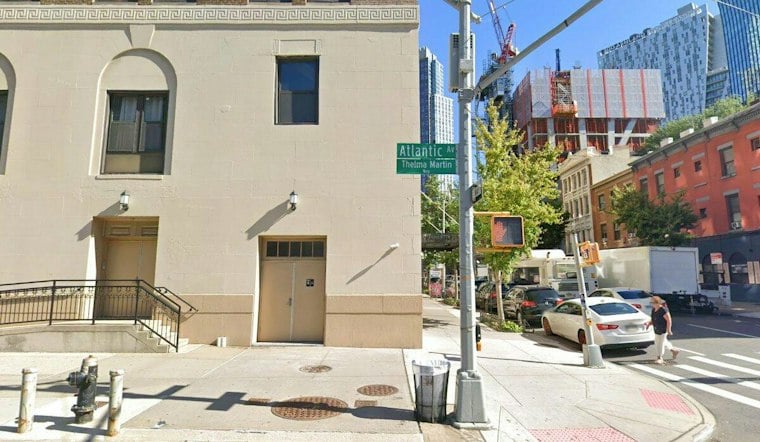
The show, titled The Deadly Boat Ride: Will New York Deliver Justice?, is one of two jury-simulation programs Fever runs in Brooklyn, according to its ticket listing on feverup.com. That listing describes the case bluntly: “one was dead, one in a coma, and the son is facing a murder charge,” with the politician's son accused of driving the family speedboat with his ex-lover and old friends aboard. As originally reported by Brooklyn Paper, attendees at Roulette don't just watch the case unfold, they decide it, with the night's performances landing at 509 Atlantic Ave.
Fever's listing says the entire format, including witness testimony, forensic evidence, live-actor cross-examinations and audience deliberation, runs about an hour. “Your vote will determine the accused's fate,” the listing notes. Doors open 30 minutes before each performance, and once the trial starts, there's no late entry.
Why True Crime Is Landing in a Brooklyn Theater
Alexandra Baker, a team lead at Fever, has pointed to the genre's pull in explaining the show's appeal, saying interest in true crime is growing and the format lets the experience immerse people in emotionally charged moral dilemmas, per Brooklyn Paper. She's also described the shows overall as interactive, thought-provoking, fun and designed to spark discussion, according to the same report.
The speedboat case isn't a one-night-only event. Fever's listing shows two additional performances of The Deadly Boat Ride on January 9 at 4:30 p.m. and 7 p.m., though those dates move the show to the New York Society for Ethical Culture in Manhattan rather than Roulette.
A Second Case Puts Artificial Intelligence on Trial
Fever also runs a separate jury program called The Killer AI, which centers on a fatal driverless-car crash. Per the listing on feverup.com, the case asks jurors to decide whether the programmer, the passenger or the artificial intelligence itself bears responsibility: “A driverless car has taken a life and someone must answer for it.” That show has performances scheduled for December 19 and January 23, both at 4 p.m. and 6:30 p.m.
Both productions share the same age policy. Fever's listings say all guests must be at least 12 years old, and anyone under 16 must attend with an adult. The Murder on Board listing adds that minors under 16 also need their own ticket to attend.
Refunds, Exchanges and the Fine Print
Ticket terms differ slightly between the two shows. Fever's listing for the speedboat case says tickets are nonrefundable, though exchanges to a different date or time are allowed up to 48 hours before showtime, subject to availability. For The Killer AI, Fever's listing allows date changes up to 24 hours in advance but similarly rules out refunds.
Jury Duty Is Rare, But These Audiences Keep Coming
The immersive format taps into something real: actual jury service has become increasingly uncommon. The share of adults reporting jury service in the previous five years fell from an average of 9% before 2020 to just 4% in 2025, according to the Annenberg Public Policy Center. The same research found that federal civil cases going to trial dropped from 5.5% in 1962 to 0.8% by 2013, while federal criminal jury trials shrank from 8.2% to 3.6% over roughly the same span.
That decline carries a civic cost, the center's research suggests: people who had served on a jury in the previous five years viewed courts as more legitimate, trusted courts more overall, and were more likely to attribute positive traits to judges. Separately, Pew Research has found that two-thirds of U.S. adults, 67%, said serving on a jury is part of what it means to be a good citizen, while just 31% took the opposite view. Pew also cited National Center for State Courts estimates that only about 15% of U.S. adults receive a jury summons each year, and fewer than 5% of those summoned end up actually serving.
What Other Audiences Have Experienced
Reviews from other cities offer a glimpse of how dramatically opinions can shift mid-show, though they describe different performances and aren't a guarantee of what Brooklyn audiences will see. A blogger who attended a New York staging described it as a one-hour interactive show where the audience weighs in on a court case as jurors, estimating that roughly 200 people filled the theater, with tickets running $50 to $70 after booking fees depending on seating, according to imperfectidealist.com.
A review of a Sanford, Florida, production captured just how far verdicts can swing over the course of an hour. As reported by Yahoo Entertainment, 88% of that audience initially leaned one way, only for 73% to vote the opposite way by the end of the trial just 45 minutes later.




