

























































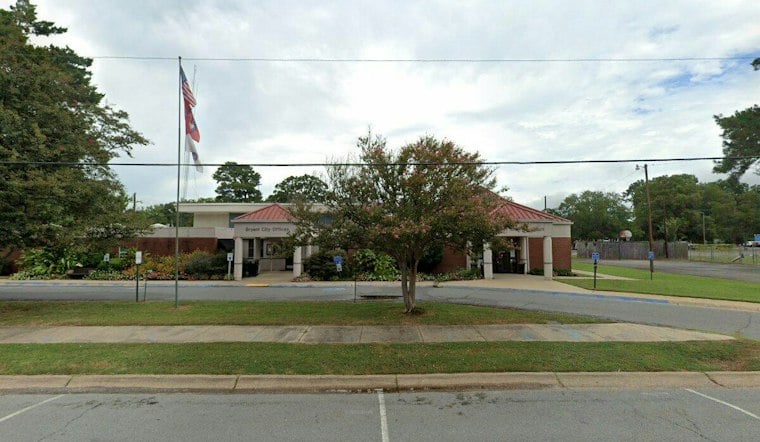
Bryant city officials told residents last week that any future changes to zoning in the Midtown Bryant development will require public hearings, posted signs, Planning Commission review and City Council approval, after residents questioned how a 2020 settlement agreement reshaped the area's zoning in the first place. The discussion came during a Nov. 17 council meeting, and it followed the council's vote in July to strip the Midtown Overlay from portions of the development and return the affected property to R-2 zoning.
According to The Benton Courier, the council's July ordinance removed the Midtown Overlay district from portions of the development area and returned that property to its underlying R-2 zoning classification. City Attorney Ashley Clancy told the council the move was necessary because the original 2020 ordinance establishing the overlay changes had never received a required public hearing. Clancy said the 2026 ordinance was intended to correct that procedural problem and bring the zoning into compliance with law.
Planning staff had estimated the zoning shift would sharply cut potential housing density in Midtown, from roughly 1,100 units allowed under the overlay to about 259 single-family homes under R-2 zoning, the outlet reported. The Planning Commission had unanimously recommended removing most of the overlay from undeveloped Midtown property before the council took up the ordinance.
A 2020 Settlement With No Map
At the heart of residents' concerns is the 2020 settlement agreement that gave a developer the option to select 10 acres for R-1 zoning, which allows duplexes, and 15 acres for R-1.5 zoning, which allows single-family homes on smaller lots. The settlement never specified where those acres would actually sit. The Saline Courier reported that the specific locations of those areas were not included in the settlement, and city officials later determined the 2020 ordinance tied to that settlement had not gone through the public hearing the process requires.
Midtown residents raised pointed questions about that settlement and the ordinance during the council's public comment period. Tracye Bullock questioned whether the agreement had been properly executed or filed and argued it should not be part of the ordinance. Jill Hines said she wanted the area to remain R-2, while residents raised concerns about later rezoning.
Scott Hurley said the map attached as Exhibit A to the ordinance did not match the mediation agreement map, and staff revised it before the council returned to the item.
On the question of public notice going forward, Lisa Meyer said the city follows legally required notification procedures but argued officials should do more to reach residents directly affected by zoning changes. She proposed the city consider additional outreach methods beyond the required newspaper notice.
Clancy reiterated that any future rezoning of the affected Midtown property would have to go through the city's standard rezoning process, including public hearings, Planning Commission review and City Council approval, according to Leonard's account of the requirements relayed at the meeting. Council Member Jon Martin recused himself from the July ordinance vote because he owns property within the affected tract, while Council Member Walter Burgess was absent from that vote.
Arkansas law lays out separate tracks for zoning changes. Under Act 595 of 2025, an administrative process may apply only when a property owner requests the change and it is consistent with the city's adopted land-use plan, exempting it from standard statutory procedures. For other plans, ordinances or regulations, the act requires public hearing notice to run at least once in a newspaper of general circulation at least 15 days before the hearing.





