

























































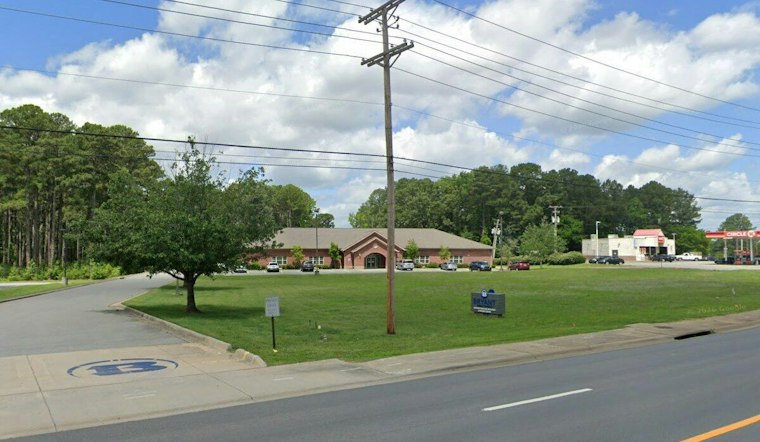
The Bryant School Board voted Thursday to ask voters to approve a 2.2-mill property tax increase that would help pay for a new Bryant Elementary School, campus safe rooms and other facility upgrades. The millage election is set for March 2, 2027, putting the fate of a long-discussed building project in the hands of local taxpayers.
If approved, the increase would push Bryant's property tax rate from its current 40.6 mills to 42.8 mills, according to The Benton Courier. For homeowners, that works out to roughly $44 in additional annual tax for every $100,000 of market value, based on Arkansas' 20% assessment rate for residential property. A $150,000 home would see about $66 more a year, a $200,000 home about $88, a $250,000 home about $110, and a $300,000 home about $132 — figures that represent the added tax, not a homeowner's full school tax bill.
Why Bryant Elementary Needs Replacing
The push for a new building stems from the current Bryant Elementary's condition. The school ranks 23rd among 1,058 Arkansas school buildings in facilities condition, according to district figures attributed to Karen Walters, who said the low ranking points to poor overall condition. The report notes Bryant Elementary has several facility issues, and Walters said renovating the aging building would cost a lot of money, while Arkansas often provides very little, if any, funding for renovations.
The district architect and construction manager estimate the new Bryant Elementary would cost about $40 million to build. The state has committed approximately $11.5 million in partnership funding toward the project, per Walters, but even with a year-end building fund balance projected at $13 million to $14 million, the district would still be roughly $12 million short of the estimated cost.
How the Numbers Add Up
The broader bond issue tied to the project totals $104.9 million, with $70 million earmarked for construction and facility improvements. The remainder covers refinancing debt from a 2017 bond issue and other bond-related costs, the same reporting states.
The school board reportedly weighed three financing options before settling on the 2.2-mill request. A straight 2-mill increase would have left an estimated annual debt-service shortfall of $600,000, while a larger 2.3-mill increase would leave a shortfall of about $190,000. The 2.2-mill option lands in between, with an estimated debt-service shortfall of $326,000. Scott Beardsley, who advised the district on bond financing, said the shortfall would need to be covered in future budgets through cost savings or growth in the tax base.
Walters backed the 2.2-mill option, saying the roughly $600,000 annual shortfall under the 2-mill proposal concerned her, since covering that amount from the operating budget would likely require cuts to important programs or services. The district currently funds campus security officers without additional state money, and Walters said she would not support eliminating those positions.
A District That Stretches Its Dollars
Walters pointed to Bryant's budget efficiency as part of the case for the increase. The district ranks third lowest in Arkansas in per-pupil expenditure and is reportedly the only district of its size among the state's top 20 in that category. “Bryant does a very good job with its dollars,” Walters said, according to the same reporting.
Timing adds pressure to the process. The district faces a deadline to retain state partnership funding and had originally expected a project contract in January; it now plans to request an extension through May 31 because the millage election will not take place until March 2. If voters approve the increase, the district expects to issue bonds toward the end of 2027, per Beardsley. If they reject it, Bryant would retain its current millage rate.
School board vice president Kim Billingsley said explaining the necessity of the investment to voters would be crucial in the months ahead, adding that investment in children and the community would help reap rewards. Bryant voters have faced this kind of decision before — in 2017, they passed a 3.6-mill increase, as arkansasonline.com reported, to fund a new junior high school and two elementary schools amid steady enrollment growth. The current comparison to other districts shows Bryant's existing 40.6-mill rate is already lower than 11 of 17 comparison districts, and the proposed 42.8-mill rate would still be lower than six of those 17, while surpassing the other 11.





