

























































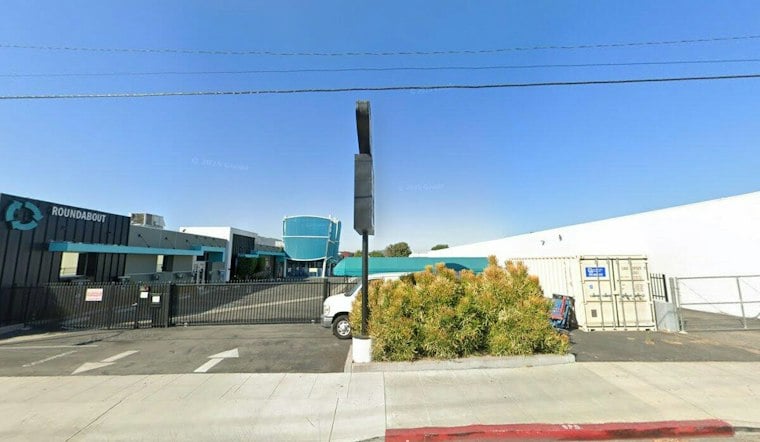
Roundabout Entertainment, a Burbank-based post-production company whose client list includes Walt Disney, Amazon, Sony and Universal, plans to lay off 81 employees at its Burbank site, with the cuts taking effect Dec. 29. The company classified the move as a closure of that location in a filing with the state.
The job losses were first detailed in a California WARN notice dated October 30, according to jsilvermanlaw.com, which reported the filing covers 81 positions in Burbank with a final day of work set for December 29. A Roundabout representative did not respond to a request for comment, according to the Los Angeles Times, though a company executive told the paper the layoffs are part of a restructuring plan initiated by Roundabout's new owners.
Founded in 1992, Roundabout operates locations in Burbank, Santa Monica and Atlanta, offering services including color correction, syndication and subtitling. The company's credits include work on “One Battle After Another,” the 50th-anniversary restoration of “One Flew Over the Cuckoo's Nest,” and Netflix's animated comedy “Leo,” per the Times' Hollywood Inc. report, which included a contribution from staff writer Ella Chakarian.
A Shrinking Slice of the Industry
The Burbank cuts land amid what the Times describes as an unprecedented contraction in Southern California's post-production sector, as filming and the editing, sound and visual effects work that follows it shifts to other states and countries. More than 80 film and television production service businesses in L.A. have closed since 2022, the paper reported.
The numbers back up the trend. California's share of U.S. post-production employment has fallen from 53% to 42% over the past 13 years, according to CVL Economics, cited by the Times in its September coverage of the signing of the state's new post-production tax credit. The state had about 12,000 post-production jobs last year, the same research firm found. A separate California legislative bill analysis found the state lost roughly 1,874 direct post-production jobs between 2005 and 2025, even as nationwide post-production employment grew by about 10% over the same period.
State Lawmakers Respond With a New Credit
Gov. Gavin Newsom signed California's first standalone post-production tax incentive in September, aiming to stem the outflow of editing, sound and visual effects jobs. The credit offers a 35% to 50% tax credit for qualified California post-production expenses and, notably, applies even to productions that never filmed in the state — a departure from California's existing film and TV credit. It is expected to launch with $10 million in annual funding.
Newsom has also proposed expanding California's broader annual film and television tax credit program from $750 million to at least $1 billion, a plan that would extend the program through 2040 and, for the first time, allow credits tied to actors' salaries. Announcing the post-production credit, Newsom said California created the modern entertainment industry and intends to keep it there.
Not everyone is convinced incentives alone will reverse the slide. Tulane economist Patrick Button has argued that a post-production tax credit risks simply subsidizing work that would have stayed in California anyway, rather than meaningfully changing where companies choose to operate. Other states and countries have moved more aggressively on dedicated post-production incentives, with New York offering a 30% standalone credit, the United Kingdom a 25.5% Audio Visual Expenditure Credit, British Columbia a 16% to 25% VFX credit, and Australia a 30% Post, Digital & Visual Effects Offset, according to the bill analysis.
For now, the Burbank layoffs stand as a concrete marker of the pressure the new credit is meant to address, even as the state's broader post-production workforce continues to shrink relative to the rest of the country.





