

























































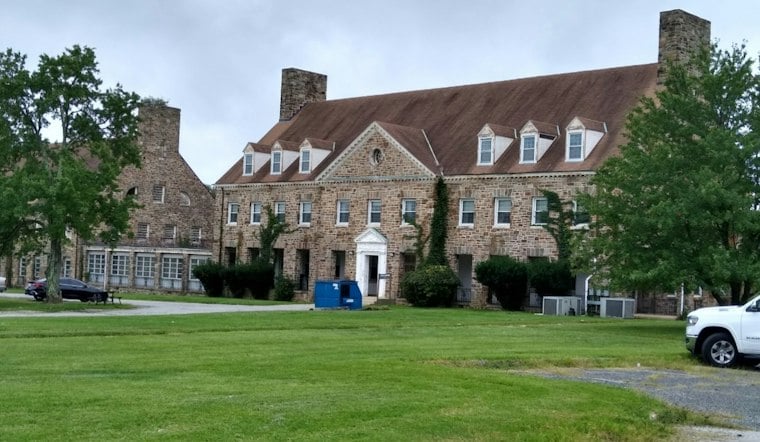
A Catonsville nonprofit that has spent more than a decade caring for a feral cat colony at Spring Grove Hospital Center now has 90 days to clear the animals off the property, after Baltimore County Animal Services notified the group it was expected to cease operations there. Cats on the Grove, which has whittled the colony down from more than 100 cats to 35, is asking the community for help trapping, transporting and finding safe outdoor placements for the remaining animals.
Volunteers have cared for the cats since 2014, according to WBAL News Radio, and feral colonies have lived on the Spring Grove property since the late 1980s. Laura Bergstrom, who works with the group, told WBAL-TV 11 News that the notice requires Cats on the Grove to stop operations within 90 days and encourages trapping and removing all remaining animals. “In 90 days' time, we are supposed to cease operations,” the notice states, per that account.
Bergstrom said the group has spent years feeding the cats, meeting their medical needs, building and maintaining shelters, and managing the population — work she said volunteers are reluctant to abandon. “We don't want to leave the cats behind that we've worked so hard, for years, to help,” she told the outlet. Fellow volunteer Christy Menter said the cats have grown so accustomed to the humans who feed them that they recognize individual volunteers and their cars and know when they've arrived.
County Cites Public Safety, Raccoon Bite
Baltimore County Animal Services director Rene Varela said the notice to comply identifies a number of issues, with public safety chief among the reasons the colony needs to be removed. Varela pointed specifically to the cats' interactions with raccoons drawn to the feeding stations, noting that a raccoon lured by the food had bitten a volunteer. Reducing the cat population, he said, would help address that risk.
Still, Varela said the agency recognizes the cats aren't like typical strays. “They're so friendly. Clearly, they've been cared for and loved,” he said, suggesting the colony's tamer cats could be candidates for working-cat placements or indoor homes rather than simple removal. The department has said it is willing to work with Cats on the Grove to extend the timeline and assist with relocating the animals, rather than simply enforcing a hard cutoff.
A Long-Running Partnership Under Strain
Cats on the Grove is a registered partner among the roughly 1,100 community groups that work with Baltimore County Animal Services countywide. The county launched its Trap, Neuter and Return program in 2016, two years after the nonprofit's volunteers began managing the Spring Grove colony on their own, according to earlier reporting from the Baltimore Sun. That 2020 Sun report estimated roughly 75 cats roamed the hospital campus at the time, as volunteers fed and sheltered the colonies and leaned on the county's trap-neuter-release efforts to keep numbers in check; that figure is an earlier estimate and isn't a direct comparison to today's count of 35.
The volunteers currently maintain six to seven feeding stations that supply the cats with food twice a day. Now, with the clock running on the county's notice, Cats on the Grove says it needs the public's help — trapping cats, lending or donating traps, arranging transport for animals headed out of state, and identifying safe outdoor homes for those that can't go indoors.





