

























































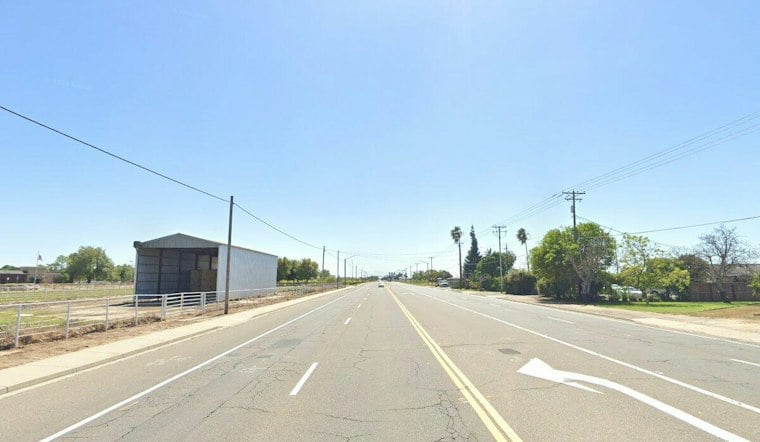
Three intersections in Ceres flickered to life with new video detection technology Tuesday, the first phase of a nearly $2 million citywide camera rollout that city leaders say is about easing traffic jams but that has also stirred questions about surveillance and who gets to watch the footage. The city expects to activate additional traffic detection cameras through December, with the broader project touching all 39 signalized intersections in town, according to CBS Sacramento.
According to CBS Sacramento, reporter Nina Burns detailed how the City of Ceres is installing new cameras at all 39 intersections, with surveillance cameras specifically included at 20 of those locations. The system combines traffic detection cameras meant to synchronize signals with CCTV units that police could tap into during emergencies and criminal investigations, the outlet reports. Mayor Javier Lopez told the station the project's primary purpose is improving traffic flow, not policing.
How the Technology Is Supposed to Work
Lopez said the system monitors vehicles moving through intersections so that lights are not left green or red longer than necessary, a shift designed to reduce driver wait times by detecting vehicles and adjusting signals according to demand, per the same CBS Sacramento report. He was explicit that the setup is not a red-light camera system, and the outlet notes the cameras will not be used to issue traffic citations.
Separately, Ceres Courier reported that the city began activating and testing the Miovision video detection systems installed across all 39 signalized intersections starting Nov. 10. The first 24 intersections are scheduled for activation through Dec. 3, though dates for the remaining 15 had not been announced as of that report. Work on the project began Sept. 14 after the Ceres City Council approved a $1.9 million contract with AM Signal, LLC in August, funded through Measure L, the countywide half-cent sales tax measure, the Courier reports.
Who Can See the Footage, and for How Long
City Engineer Michael Beltran told the Courier that the Engineering Department will use Avigilon cameras to monitor traffic but will not record anything at City Hall — only police have the ability to record what the cameras capture, and only in the event of a crime. Lopez told CBS Sacramento that camera access would be limited to public safety personnel, excluding the engineering department and other unauthorized people, though the outlet notes that the original project documents describe access for authorized city personnel without specifically limiting it to law enforcement.
The mayor also acknowledged he did not know how long recordings would be stored, and the original project documents do not specify a retention period, according to CBS Sacramento. Ceres Police Chief Trenton Johnson told the Courier that the department has its own policies, including a rule that cameras cannot be used for personal issues, with violations resulting in discipline. Johnson also said the city does not use facial recognition, even though he believes the technology is capable of it.
A Council Debate Months in the Making
The surveillance piece of the project wasn't rubber-stamped quietly. The Ceres City Council first considered it in July, but Lopez pulled the item for further discussion amid concerns over privacy, AI capability, data storage and footage access, CBS Sacramento reports. Those same questions resurfaced this week as the cameras began switching on, even as the mayor pointed to a longer-term upside: twenty real-time cameras, he told the Courier, can improve coordination among engineering, public works, police and fire, with the capability potentially supporting a real-time crime center down the line.
Once all 39 intersections are up and running, the city plans to move into coordinated signal timing along major corridors, an effort aimed at improving traffic flow, cutting unnecessary delays and enhancing safety, per the Courier. It's a sequel of sorts to an earlier expansion of remote surveillance in Ceres parks, when police said a camera could thwart would-be car burglars, according to a 2023 Courier report. For now, residents are left watching a rollout that promises smoother commutes while the fine print on data retention and access remains unsettled.





