

























































Charlotte officials say more than 300 people have died in traffic-related incidents across the city over the past five years, a toll that will be marked Sunday with a World Day of Remembrance and memorial walk for grieving families. The event comes as the city continues working toward Vision Zero, its pledge to eliminate traffic deaths and severe injuries by 2030.
The five-year death toll was reported by WBTV, which detailed how city leaders are framing Sunday's remembrance alongside their ongoing safety push. Charlie Jones, deputy director of the Charlotte Department of Transportation, said he hears about every traffic-related crash or death in the city, and stressed that fatal crashes affect neighbors, friends and families — not just statistics, according to the station's report. Jones said unlawful behavior, including running red lights and excessive speed, remains the biggest challenge standing between Charlotte and zero traffic deaths.
A Goal Born in 2019, Still Far From Reach
Charlotte adopted its Vision Zero plan in 2019 with the ambitious target of ending all traffic deaths by 2030, according to WFAE. But a 2024 internal audit found little had improved since the plan's adoption, despite the city spending more than $21 million on the effort, per the Charlotte Observer. During fiscal year 2025, which ran from July 2024 through June 2025, 81 people died on Charlotte streets and 111 suffered serious injuries, the same reporting found.
Speeding and improper vehicle operations accounted for 64% of the fatal and serious crashes recorded that year, the Observer's analysis shows. Pedestrian and bicycle crashes made up fewer than 1.5% of all crashes citywide but accounted for 29% of fatal and serious injuries — a disproportion that underscores why city officials keep steering money toward crossings and sidewalks rather than just road repaving.
Where the Danger Concentrates
Much of that danger is not spread evenly across Charlotte. The city's High Injury Network represents just 13% of all Charlotte streets yet accounts for 80% of serious and fatal crashes, the Observer reported. Over the past year, the city has installed safer crossings at 39 locations, added 521 new streetlights, and built eight miles of new sidewalks and bike paths, the newspaper found — incremental progress against a stubborn problem.
Dante Anderson, a Charlotte City Council member and chair of the council's safety committee, said the city can build infrastructure in areas where investment is needed and that officials must recognize affected families while making every effort to prevent similar losses, per WBTV's reporting. Anderson said ambitious goals can still bring progress toward zero traffic-related deaths by 2030, and that the city is doing everything it can. Charlotte leaders have said mistakes on the road should not be fatal.
Bond-Funded Fixes and a Return of Red-Light Cameras
Voters approved neighborhood bonds that will fund infrastructure in areas along the High Injury Network, including protected bike lanes, wider sidewalks, intersection enhancements such as accessible ramps, pedestrian signals and push buttons, and new signalized pedestrian crossings, according to WBTV. That funding builds on Charlotte's broader 2026 bond plan, which set aside $22 million for Vision Zero, $50 million for sidewalks, and $160 million for major street and intersection projects, as reported by Axios.
The city is also bringing back red-light cameras to catch offenders, WBTV reported. The City of Charlotte describes the pilot as an automated enforcement system using synchronized cameras and sensors to photograph vehicles running red lights, though the city has not specified when the cameras will begin operating or what penalties drivers would face.
Recent Losses Keep the Issue Urgent
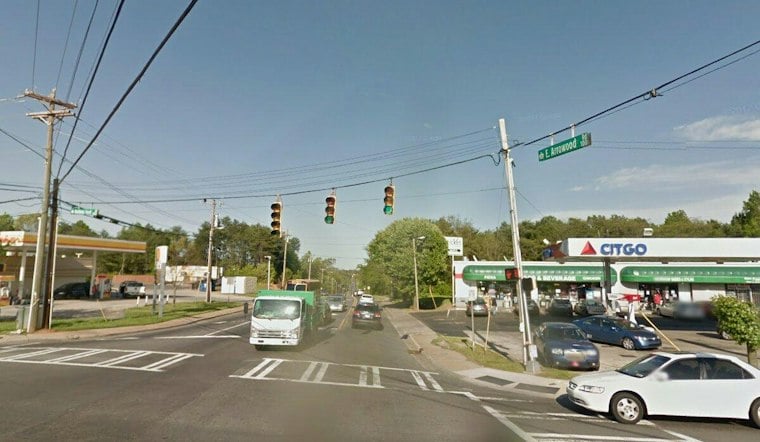
The stakes were on display again this week. On Nov. 10, a pedestrian was hit and killed near Nations Ford Road and Arrowood Road; WBTV identified the victim the next day as 43-year-old Niceforo Garcia-Rufino, who died at the scene of the crash. A Charlotte council member has since called for a streetlight-reporting initiative following that hit-and-run, according to the station.
In October, a 6-year-old girl named Mariana Espinoza was killed after a driver struck her with his car and fled the scene as she walked home from her bus stop, the Observer reported. The city has since spent more than $4,000 on safety improvements at that intersection, with the Charlotte Department of Transportation installing stop signs, stop-bar markings, and pavement markings at each approach, per the newspaper's account.
Charlotte's World Day of Remembrance on Sunday will include a memorial walk, giving families who have lost loved ones to traffic violence a chance to be acknowledged publicly as the city continues pressing toward its 2030 target. The Charlotte Department of Transportation has said it wants to reach zero traffic-related deaths as quickly as possible, even as officials acknowledge the road ahead remains long.




