

























































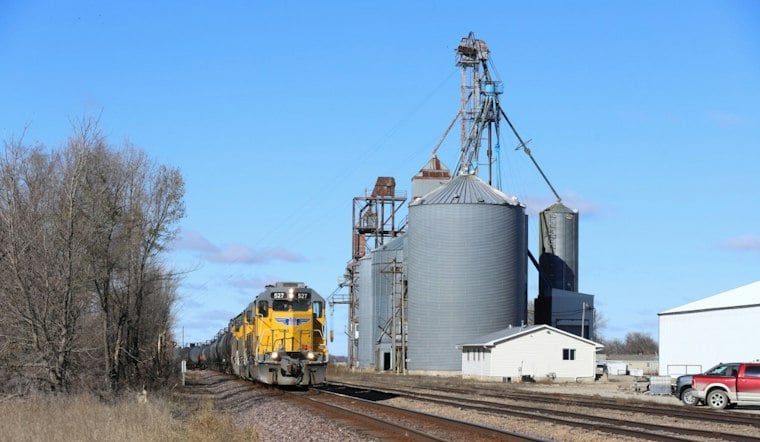
Chevron U.S.A. Inc. announced plans to resume operations at its biodiesel production facility in Ralston, Iowa, a plant that has sat idle since 2024. The restart is backed by a new feedstock supply agreement with Landus Cooperative, whose neighboring soybean-processing plant will provide the raw material needed to get the facility running again.
According to a Chevron news release, the restart is supported by a commercial and operational agreement between the company and the farmer-owned cooperative. Chevron idled the Ralston facility in 2024 after a market downturn, and the company says the decision to bring it back follows improved biodiesel market conditions. The Ralston plant has capacity to produce nearly 42 million gallons of biodiesel annually at full production, per the same release.
Coverage of the announcement appeared in the Business Record, which reported the deal ties Chevron's idled plant to Landus's soybean operation next door. Landus's Ralston facility processes more than 28 million bushels of soybeans a year, which Chevron describes as the largest mechanical crush facility in the United States.
A Staged Comeback With No Firm Restart Date
Chevron said the restart will not happen overnight. The company described a staged process that includes staffing, maintenance, safety and operational-readiness activities before production can resume, and it said the timing and scope of any workforce additions are still being assessed.
A Chevron spokesperson told DTN that the company does not have a definitive timeline for the plant's reopening but anticipates it will be mid-2027 before the plant comes back online. The outlet also reported that biodiesel plants typically take two to six weeks to return to maximum production once they're up and running, though that general industry timeline is separate from Chevron's broader restart schedule for Ralston.
Eric Heismeyer, president and CEO of Landus, said the cooperative is proud to collaborate with Chevron on this important step toward increased market access for its farmer owners. Chevron said the restart is expected to create regional employment and contracting opportunities.
A Rough Stretch for Iowa's Biodiesel Industry
The restart comes as Iowa's broader biodiesel sector has struggled. The Iowa Renewable Fuels Association reported that the state's biodiesel facilities produced 266 million gallons in 2025, down nearly 25% from 353 million gallons in 2024.
Only eight Iowa facilities reported production in 2025, with several running intermittently and well under capacity, the association said. Soybean oil accounted for 92% of Iowa's biodiesel production that year, as the industry faced uncertainty tied to low Renewable Fuel Standard blending levels and a lapse in federal tax policy. The organization noted that a more robust federal RFS rule has been proposed for 2026-2027 but had not yet been finalized as of its report.
Not every Iowa biodiesel operation has struggled equally. Western Iowa Energy's Wall Lake plant, which produces approximately 45 million gallons annually and employs 30 workers, is running at full capacity, according to the Iowa Biodiesel Board, which also noted the facility completed a $30 million expansion in 2024. Statewide, the Iowa Agribusiness Radio Network reports that Iowa has nine biodiesel facilities with combined capacity to produce 450 million gallons a year, though a separate IRFA study summary puts total state capacity at 400 million gallons annually.
For Ralston, the path back to production remains tied to the staged process Chevron has outlined, with staffing, maintenance and safety work still ahead before the plant's nearly 42-million-gallon capacity comes back into play for the regional biodiesel market.




