

























































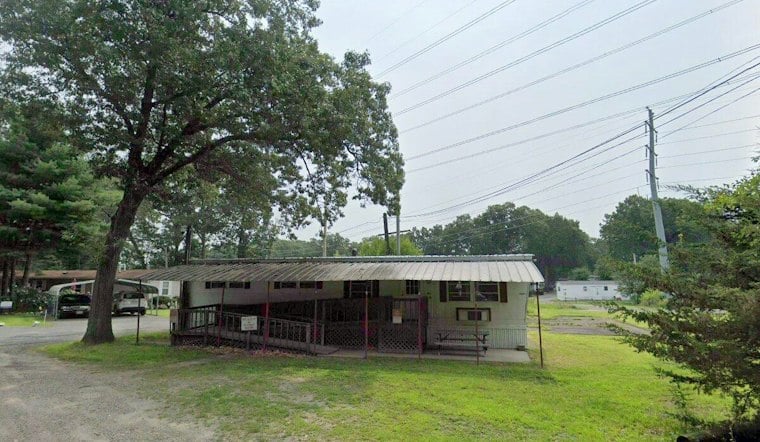
Rent at BlueBird Acres mobile home park in Chicopee jumped from $296 to $416 a month after the park swapped its septic system for a sewer connection, and the fight over who should cover that cost has now landed before the Massachusetts Supreme Judicial Court. Two residents, Katherine Dant and Cindy DeLonge, argue the increase illegally shifted sewer-related expenses onto tenants, while the park's owners say the costs were unavoidable and necessary to keep the 170-lot community running.
The Chicopee Mobile Home Rent Control Board approved the owners' request back in 2022 to charge residents for expenses tied to the switch from septic to sewer, according to MassLive. That increase pushed monthly rent up by $120, and the case eventually made its way to the state's highest court, where justices heard oral arguments Monday in a dispute that could ripple across the 26 Massachusetts municipalities that operate similar rent-control boards.
A Park Decades in the Making, A Bill Decades in the Paying
BlueBird Acres sits near the Massachusetts Turnpike in Chicopee and has operated for around sixty years, according to court records reviewed by CourtListener. When the city required the park to connect to municipal sewer, Chicopee installed and paid for a pumping station costing more than $2 million, then assessed the park owner a betterment fee of $1.1 million, payable over twenty years at $55,000 annually, not including interest. The owner also faces separate sewer-use charges; MassLive reported those as an annual $156,000 fee, while the court record describes anticipated future sewer-system charges estimated at $156,310 — figures that may or may not refer to the same cost.
The Appeals Court previously drew a distinction between those two expenses. It found that ongoing sewer-usage costs could serve as a legitimate basis for rent increases, but it sent the question of the pumping-station betterment charge back to the rent control board, directing it to evaluate whether that fee qualifies as a reasonable operating expense, per the same court record.
Dueling Arguments Over Who Bears the Cost
Timothy Ryan, who represents the Chicopee Mobile Home Rent Control Board, said the board must weigh reasonable operating expenses against the owner's right to a fair net operating income, the station's report notes. He also pointed out a practical complication: the board's members serve unpaid, and the body now lacks a quorum. That board was established in the late 1970s, long before the sewer dispute arose, the same account states.
Dan Ordorica, representing the tenants, argued that the sewer expenses were improperly passed along to residents because the fees stemmed from a state consent decree requiring the park to bring its wastewater facilities into compliance. He also said the owners never notified residents that sewer charges could eventually be imposed before those residents moved into the park, calling the lack of advance warning a bait and switch. Ordorica further argued that the Manufactured Housing Act and local rent-control boards share a common goal: protecting mobile-home-park residents.
Joseph Lange, who represents the park owners, countered that the $55,000 annual betterment fee is vital to his clients' finances. He warned that without the fee — and absent any inflation or cost-of-living adjustments — the owners could come close to insolvency or become insolvent outright, according to the same MassLive report.
The Attorney General Weighs In
The Attorney General's Office filed a brief in the case, arguing that a ruling against the board could curtail its enforcement powers in rent-control-board communities statewide. Assistant Attorney General Michael Turi told the court that park owners may generally pass upgrade costs on to residents in full if the upgrades are promptly addressed and properly disclosed. But Turi argued BlueBird's owners lost that opportunity here, because the septic system had failed and potentially endangered hundreds of residents.
The Massachusetts Appeals Court had already flagged a possible conflict between rent-control-board legislation and Attorney General regulations, and the Supreme Judicial Court is now considering whether later Attorney General rules apply to boards like Chicopee's. During arguments, Justice Frank Gaziano remarked that the board's formula appeared simple only if those Attorney General regulations were ignored. Gaziano also noted that residents would be responsible for sewer fees themselves if they ultimately bought the park — a separate case in which BlueBird Acres residents are currently litigating to purchase the community from its owners.
Notice of Monday's hearing reached residents directly: a sign was placed at the park entrance on Oct. 30 alerting them to the meeting. The evidence reviewed does not establish how or when the Supreme Judicial Court will rule, leaving BlueBird Acres residents and park owners alike waiting to learn who ultimately pays for a sewer system the state required in the first place.




