

























































A New York-based research firm says it has uncovered a network of China-linked accounts on X posing as American voters ahead of the 2026 midterm elections, pushing divisive content about politics, social issues and the integrity of U.S. democracy. The accounts, tied to a long-running influence operation known as Spamouflage, include some now dressed up as MAGA-styled personas and one masquerading as a Philippine culture blog with more than 200,000 followers.
Familiar Tactics Resurface Ahead of Election Day
Graphika, which tracks online networks, said it identified Spamouflage-linked activity on X that closely resembles tactics it documented before the 2024 presidential election, according to WSB-TV. The accounts, per that reporting, post content questioning election integrity and the legitimacy of U.S. democracy. The findings echo warnings that intelligence and national security officials have issued for years about Russia, China and Iran running online influence operations aimed at U.S. voters, as The Virginian-Pilot reported.
Among the accounts Graphika flagged were four with a documented history of Spamouflage activity that have shifted to amplifying MAGA-styled personas, the station's report states. A separate account with more than 200,000 followers presents itself as a Philippine culture blog while mixing in pro-China messaging and divisive commentary aimed at American audiences, the same account notes.
A Mysterious Handoff and an Unanswered Question
One of the more puzzling discoveries involves an account that appears to have replaced a Spamouflage-linked account that had previously been removed from the platform. That replacement account posted divisive U.S. political content, including attacks on Democratic Party leadership during the October 2025 government shutdown and criticism of immigration policy, per the outlet's findings. Graphika said it could not determine whether the account had been hijacked or whether its original operator sold or otherwise lost control of it — a gap the firm has left unresolved.
Chinese Embassy spokesperson Liu Chang provided a statement, the report notes.
Researcher Says Impact Is Limited, But Harassment Is Real
Darren Linvill, co-director of Clemson University's Watt Family Innovation Center Media Forensics Hub, said the operation is unlikely to sway genuine political discourse. Linvill told the station there is “no chance it tips the balance in any real political conversation,” adding that Spamouflage remains poor at mimicking real Americans online.
Still, Linvill said the broader campaign carries real consequences for one group in particular. Spamouflage-linked accounts very frequently attack and harass members of the Chinese diaspora community, he said, describing it as part of a wider effort by Beijing to silence views it dislikes. Observers cited by the outlet say China's overall strategy has centered on undermining confidence in U.S. elections and voting rather than boosting one presidential candidate over another.
Echoes of a 2024 Playbook
The current findings track closely with what Graphika documented ahead of the 2024 election. In that earlier report, the firm identified 15 Spamouflage accounts on X and one on TikTok claiming to be U.S. citizens, according to Graphika. Those accounts spread content denigrating both Democratic and Republican candidates while sowing doubt about the legitimacy of the U.S. electoral process, the firm found. Most of that activity failed to gain real traction in authentic online communities, though Graphika noted one video from an inauthentic media outlet had racked up 1.5 million views by the time of publication.
Other Foreign Operations Also in Play
Spamouflage is not the only foreign influence effort researchers are watching this cycle. X said it suspended more than 13,000 accounts tied to three suspected foreign influence operations linked to Iran, Russia and China, according to Al Jazeera. Separately, researchers say Russian operations have been ramping up in the final stretch of the midterms, spreading false or divisive narratives through state media, automated accounts and paid influencers, per NPR. That reporting notes researchers attributed a baseless accusation against a Democratic Senate candidate to a Russian group known as Storm-1516, which is known for staged videos and influencer amplification.
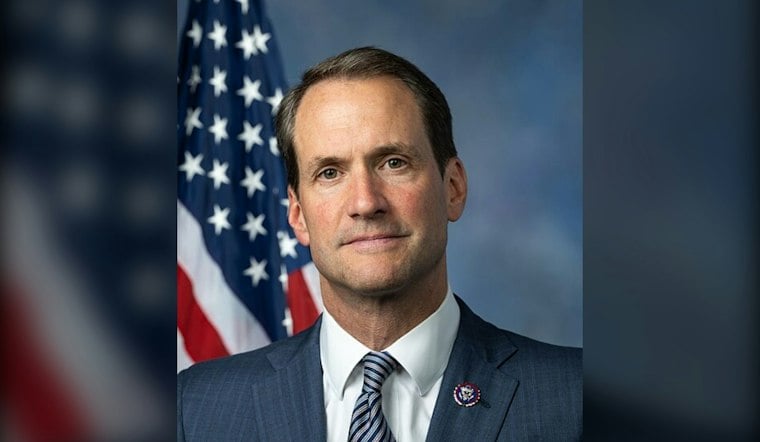
Rep. Jim Himes said last week there was no indication foreign countries have managed to interfere with the actual mechanics of voting, even as they work to influence voters' views. NPR's report added that researchers expect more false claims and fabricated videos in the days immediately surrounding Election Day, with operations likely to focus on voting and ballot processing.





