

























































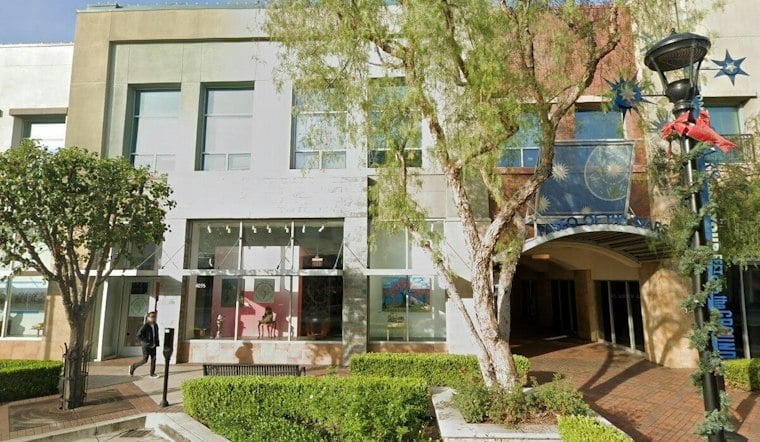
A 378,140-square-foot shopping center in Chino Hills just sold for a price in the neighborhood of $157 million, one of the pricier retail deals the Inland Empire has seen this year, as investors keep pouring money into the region's shops and strip malls. The buyer, Stockdale Capital Partners, is already planning to rename and remerchandise the property, signaling it sees more upside in a market where vacancy keeps falling and rents keep climbing.
CoStar reported that a Los Angeles investment firm paid $157 million for The Shoppes at Chino Hills. The acquisition was led by Stockdale, with Hamilton Lane participating as a co-investor, according to Hamilton Lane, which also confirmed the open-air lifestyle center sits in the Southern California community of Chino Hills.
Stockdale plans to rename the property The Shops at Chino Hills as part of a broader rebranding, remerchandising and repositioning strategy, per the same Hamilton Lane announcement. The center is anchored by Trader Joe's and Barnes & Noble, according to Retail & Leisure International, and national retailers including Trader Joe's have helped draw institutional investors to properties like it, CoStar's reporting noted.
A Second Inland Empire Deal Closes Nearby
The Chino Hills sale wasn't the only notable retail trade in the region this fall. Pacific Properties Group acquired a fully leased retail center at 11070 Foothill Boulevard in Rancho Cucamonga for $13.2 million, according to CoStar, which also reported that the buyer assumed existing financing as part of the deal. That center is anchored by Aldi and Barnes & Noble and has maintained full occupancy since it was built in 1996, per the same CoStar report.
The buyer pointed to below-market rents with room to grow in one of the Inland Empire's tightest submarkets as a key reason for the purchase, CoStar reported. Taken together, the two deals illustrate why, per the original CoStar seed reporting that anchors this story, Inland Empire retail property investment activity remained elevated during the third quarter, with improving leasing fundamentals and large institutional transactions both drawing capital into the region.
Vacancy Falls, Rents Hit a Record
The numbers behind that investor enthusiasm are striking. Inland Empire retail space absorbed 543,000 square feet in the third quarter of 2026, a sharp reversal from the negative 391,000 square feet recorded in the same quarter a year earlier, according to Matthews. The region's vacancy rate fell to 6.0%, 53 basis points tighter than a year prior, the same report found.
Asking rent climbed to $27.41 per square foot, up 2.9% year over year and a record for the market, Matthews reported. Cap rates, meanwhile, have moved in the opposite direction, averaging 6.50% and rising for 18 consecutive quarters.
A More Cautious View From Local Brokers
Not every account of the market strikes the same upbeat tone. A separate market update covering the combined Inland Empire and Eastern San Gabriel Valley region, from Progressive Real Estate Partners, reported vacancy at 5.9%, below its stated 10-year average of 6.3%. That update also noted roughly 3,800 available spaces across the combined market totaling 14.6 million square feet, with 218 spaces of at least 15,000 square feet accounting for 44% of all vacant space.
Excluding sub-anchor and anchor spaces, the brokerage found a 3.3% vacancy rate among what is mostly shop space, pointing to tight conditions for smaller retail tenants specifically. But leasing activity in that combined market totaled just 971,000 square feet in the third quarter, below the broker's stated 10-year quarterly average of 1.46 million square feet, and lease rates rose 2.5% year over year, trailing the 10-year average annual increase of 3.2%. Trailing 12-month sales volume in that combined market was described as in line with 2021 and 2022, which the brokerage called very strong years.
The overall picture painted by the sources is one of a regional retail market that remains attractive to deep-pocketed investors even as some leasing metrics lag their historical pace. For Chino Hills shoppers, the most visible sign of the shift will likely be a renamed, re-tenanted center down the road, while deals like the Rancho Cucamonga purchase suggest smaller, fully leased properties are drawing attention too, according to CoStar.




