

























































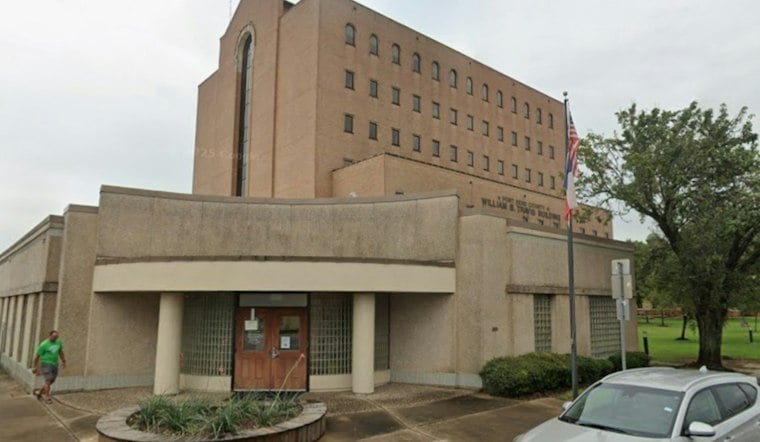
A Coldspring man is facing criminal charges after authorities say he created AI-generated videos depicting San Jacinto County Sheriff Sam Houston kissing a man and using a racial slur. Dakota Davis was arrested Saturday on charges of online impersonation and four counts of harassment, according to authorities, and he was released from jail hours later after posting a $10,000 bond.
Davis had already been out on bond for four harassment charges tied to the same videos before Saturday's arrest, according to ABC13 Houston. He turned himself in days before speaking with the station's Eyewitness News, telling reporters he made the videos to embarrass Sheriff Houston after the sheriff's office posted about Davis's own drug arrest. Houston, who became sheriff in 2025, said the videos amount to a crime because they used his likeness to depict him doing and saying things he never did or said.
A First Amendment Fight Brewing
Attorney Geoff Berg, who is not representing Davis but weighed in on the case, said the Constitution protects the right to ridicule and satirize public officials and public figures. Berg predicted that even if a jury convicted Davis, higher courts would ultimately throw the case out. The charges mark the first online impersonation case the sheriff's office has filed since Houston took office in 2025, the station reports.
Harder to Spot, Easier to Make
The case lands amid a broader surge in AI-generated video and voice fakes that experts say are getting tougher to detect. University of Houston professor Chris Bronk told click2houston.com that “spotting it is getting harder by the day,” and that a single photo pulled from social media is now enough to build a convincing fake. He noted that “the technology makes it very possible” for someone's likeness to be used without permission.
Bronk pointed to visual inconsistencies, disappearing objects or people, detail errors, unnatural movement, a lack of blinking and robotic-sounding voices as telltale signs a video may be fabricated. He also said governments are discussing watermarks for AI-generated video that cannot be stripped out, a response to how quickly the technology has outpaced the public's ability to tell real from fake. In one earlier instance the outlet documented, a Fort Bend County judge's campaign pulled a video from its platforms after it was identified as using AI-generated images of Black voters.
A Pattern of AI Impersonation Beyond Texas
Fake sheriff likenesses have surfaced elsewhere too. According to 404media.co, scammers used AI to clone the voice of Osceola County Sheriff Steve Moser in Florida and left a voicemail with a resident. Sheriff Chris Blackmon said the scammers also used Moser's picture while posing as him, stating, “They cloned his voice and was using Steve's picture as well to say it was him making the phone call, and it was not.”
The same report noted that a private bank transferred $108 million after scammers used AI to clone a law firm's managing partner, and that jury-duty and arrest-warrant scams had recently targeted people in Georgia and Pennsylvania. The outlet also pointed back to 2024, when scammers cloned celebrity voices and used AI videos in YouTube ads to con victims. These cases are separate from the charges against Davis, but they illustrate how often sheriffs' and officials' identities are being digitally faked across the country.
For now, the San Jacinto County case centers on whether Davis's videos cross the line from protected satire into criminal impersonation and harassment, a question that Berg argues the courts, not a jury alone, will likely have the final say on.



