

























































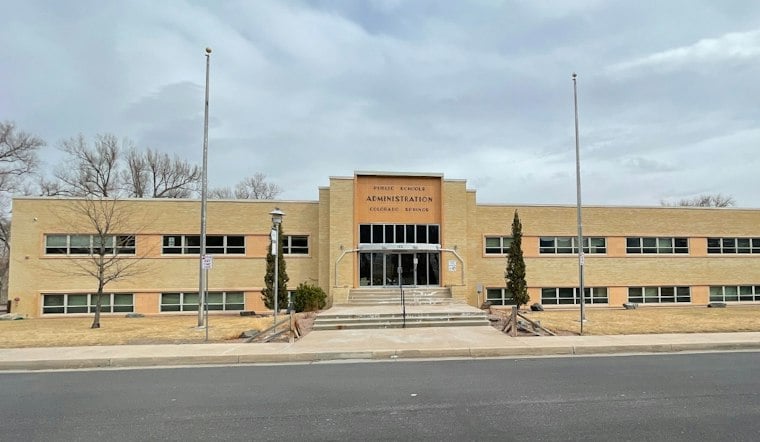
Colorado Springs School District 11's $775 million bond measure was narrowly ahead in unofficial election returns as of about 5:30 p.m. Thursday, Nov. 5, with 51.31% of voters in favor and 48.69% opposed. If the result holds, it would mark the district's first successful bond vote since 2004 and, according to district officials, the largest single bond measure ever approved in El Paso County.
The vote on Ballot Issue 4A, held Tuesday, comes after District 11 tried and failed to pass bond measures in both 2016 and 2021, according to the Colorado Springs Gazette. The 2021 attempt came agonizingly close, falling short by just 11 votes. District officials have also calculated that, when the $775 million is divided by the district's 23,458 students, the bond authorization would be the largest in Colorado history on a per-student basis.
Nearly 100,000 District 11 voters weighed in on the measure. Early Wednesday returns reported by Complete Colorado showed a similar statewide pattern, with most school bond measures passing across Colorado even as mill levy overrides tied to staff pay were failing in nearly every district that had reported results that day. As the El Paso County Clerk and Recorder tallied additional votes Wednesday, D11's bond support remained largely unchanged from the roughly 51% it held in initial totals.
Where the Money Would Go
The bond would fund structural upgrades at every school building the district owns, with individual project costs ranging from $1 million to $150 million. The single largest allocation, $150 million, would finish the long-running renovation of Palmer High School. Holmes Middle School is slated for an $80 million rebuild, and Thomas MacLaren School, a K-12 charter housed in the district's former Irving Middle School building, would receive $24.18 million in renovations. Irving Middle School itself closed back in 2009.
Bond funds would be distributed in three tranches, according to Jessica Wise, the district's executive director of engagement, who told the Gazette that initial projects would touch every school before later phases are determined by each building's individual needs. Ballot Issue 4A also includes language directing district funds freed up by the bond toward teacher salary increases.
What It Would Cost Taxpayers
District 11 has calculated that the bond would raise the average homeowner's annual taxes by $264, with the ballot measure capping annual bond-repayment tax collections at $49.8 million regardless of the final cost. The ballot language itself proposed increasing district debt by $775 million, with total repayment costs not to exceed $1.48 billion. An earlier board presentation from a May work session had estimated residential taxpayers' annual cost at $66.70 per $100,000 of actual home value under a preliminary 30-year repayment structure, though that figure assumed bonds would be issued in three tranches every two years at 5.5% coupons and no growth in assessed property value — assumptions the district described as preliminary and subject to change.
Oversight Promises and Reactions
Superintendent Michael Gaal told families in a Wednesday email that the district would establish independent citizen oversight, hold open meetings, share regular project updates and build a public website to track how the money is spent. At the district's board meeting Wednesday night, Gaal thanked residents who voted both for and against the bond, as well as board members and local volunteers who helped share information about the measure. He said the investment would accelerate student success and reinvest in neighborhoods through schools that are safe, clean and modern.
Board members struck a similar tone of cautious celebration. Anton Schulzki, a former D11 educator, urged the board to make sure the bond-funded projects actually get completed, telling colleagues they would now have the opportunity to demonstrate principled leadership through honesty, transparency and accountability as a result of the election. Board member LeAnn Baca Bartlett, a former Holmes student herself, said the district would need volunteers for an incoming planning and oversight committee once the vote is confirmed. Board director Parth Melpakam said the board's hard work was just beginning, adding that the district must deliver on its promise, honor the public's trust and improve student academic outcomes.
District 11 last won voter approval for a tax increase in 2017, when mill levy overrides passed to fund other district operations and functions separate from capital construction. By law, bond dollars like those in the 4A measure can only be spent on buildings and capital projects, according to the district's own board presentation. The current results remain unofficial, and the race has not been called as final.



