

























































Eleven young filmmakers from Colorado Springs are about to show the public the most painful chapters of their own lives. This Sunday, Nov. 15, the Youth Documentary Academy will premiere 11 original films tackling intimate partner violence, immigration, foster care, suicide, housing instability and adoption — stories pulled directly from the students' own families.
The screening will feature 11 original documentaries covering intimate partner violence, immigration, foster care and other sensitive or personal topics, according to the Colorado Springs Gazette. The nonprofit behind the event, the Youth Documentary Academy, began in 2014 to level the playing field geographically for young filmmakers in Colorado, the Gazette reports, and trains young people to locate stories often drawn from their own lived experiences and to direct their own films, according to the academy's own About Us page.
The academy's summer program trains 12 students at a time, teaching a combination of technical skills, narrative craft and, as The Colorado Sun put it, “a little dash of therapy.” This year, 11 of those students are set to screen their documentaries for the first time, both for each other and for the public, per the same account. The program is free for students, funded by a collection of organizations, the Sun notes, and the academy says it offers 12 tuition-free fellowships per year in Colorado Springs, each worth over $6,500.
Stories Students Had Never Told Out Loud
Cynniah Mack's documentary chronicles the years she spent moving between women's shelters with her mother in Colorado Springs, according to the Sun's reporting. Dee Purvis made a film about his experience as one of three adopted Black children in a white family, the outlet reports. Madilynn Simington's film explores her mother, who died by suicide when Simington was 2 years old — a loss the Gazette also confirms shaped her documentary.
Simington said her father and aunt did not particularly want to be interviewed for the project, but that her family supports her learning about who her mother was. She said she hopes sharing her experiences will help others. Molly Sullivan made her film as a last goodbye to her father, who died when she was 16; she has said she wants to let go of her angry version of her father and help people feel less alone, adding that her documentary explores how her father's abuse, along with her own autism and ADHD, shaped who she is.
Turning Shame Into Something to Share
Harlan Bunch, who studies film and television at Savannah College of Art and Design, said his documentary explores his relationship with his parents and the effect of film and the arts on his family. He described being in front of and behind the camera as a unique experience that allowed him to grow, noting that being behind the camera can distance a filmmaker from their story while being in front of it forces uncomfortable self-confrontation. He called telling his story one of his greatest opportunities.
YDA executive director Tom Shepard said this year's class is especially tenderhearted, with films highlighting personal or taboo issues, and that young people are learning a different way to engage as citizens through the process. Shepard told the Sun that first-person filmmaking allows young people to take something that was previously taboo or shameful and flip it. The academy also brings behavioral health and crisis-service providers, including Diversus Health, Peak View and Cedar Springs, to set up tables at its screenings, the Sun reports.
Screening Times, Tickets and a Lingering Venue Question
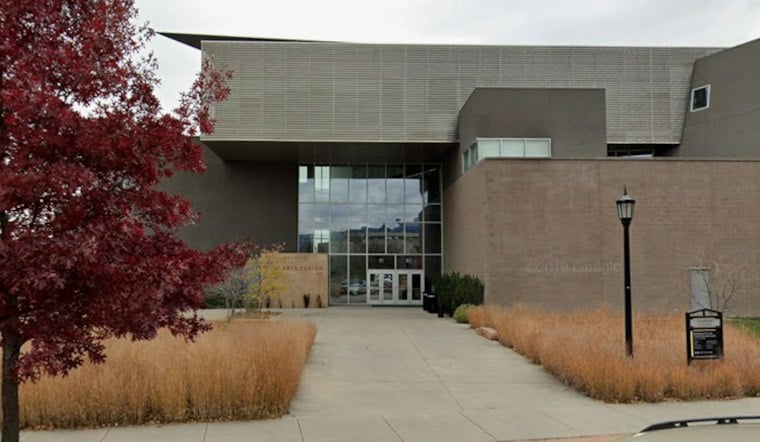
The premiere runs in two blocks on Sunday — six films in the first screening and five in the second — with showtimes at 3 p.m. and 6:15 p.m. Tickets cost $18 and admit holders to both blocks, with an intermission featuring food trucks and pizza. Reports differ on the exact venue name: the Gazette identifies it as Colorado College's Celeste Theater at 825 N. Cascade Ave., with doors opening at 2 p.m., while the Sun identifies the location as the Edith Kinney Gaylord Cornerstone Arts Center in Colorado Springs.
Beyond Sunday's premiere, the academy has built a national footprint through its public television series. The Gazette reports that the series broadcasts across more than 80% of PBS stations nationwide, while the academy's own website states the figure as 80% of PBS stations. Either way, the reach extends a program that started as a local effort to widen access for young Colorado filmmakers into something with a far broader audience — even as its latest crop of films stays rooted in deeply personal, hometown stories.





