

























































A proposed testing lab in southern Colorado Springs could draw as much electricity as the entire city's residential sector, and Thursday it faces its first public reckoning. The Colorado Springs Planning Commission is set to hear an appeal of the administrative approval granted to Project Vineyard, a facility that developers insist is not a data center even though it would operate much like one.
The project, which includes two 110,000-square-foot buildings, is designed for testing data center equipment, according to Colorado Public Radio. The lab would test data center equipment including AI computer chips, and the facility may require an electrical demand of up to 200 megawatts, an amount the station reports is enough to power Colorado Springs' entire residential sector. The project was originally named Project Primestone before being renamed at the request of developers, and it was approved administratively by the Colorado Springs Planning Department in September.
According to The Gazette, the development seeks to build a pair of 110,000-square-foot buildings that will serve as a graphics card testing laboratory. The project was administratively approved on Sept. 21, prompting six residents to file a joint appeal with the city on Sept. 30, and a planning commission hearing on that appeal was scheduled for Thursday, according to city staff. The group Integrity Matters worked with residents to file the appeal of Project Vineyard's approval, and has also coordinated resistance to Project Taurus, the Ford Amphitheater and a proposed Buc-ee's.
Developer Says It's a Lab, Not a Data Center
Broadstone Net Lease, the New York-based company behind the project, has said the project is a lab for testing data center equipment rather than a data center itself. Still, Broadstone CEO John Morgane acknowledged the resemblance will be hard to miss. “This will look and feel like a data center for others in the sense of if it was going to have a different tenant that was using it,” Morgane said, per The Gazette.
The developer says the facilities will be used for pre-production graphics processing unit testing, including burn-in testing, according to the Pikes Peak Bulletin. A consultant's development plan describes the testing process as teams installing hardware, running a test campaign, collecting data, then tearing down the setup and rebuilding it for subsequent testing. Project Vineyard will have high-powered computers and a closed-loop cooling system, and the plan states it will not operate around the clock to keep a service online the way a conventional data center would.
Broadstone has described the project as an initial 100-megawatt building with an option for a second building that would bring the total to 200 megawatts, the Bulletin reported. Colorado Springs Utilities said a company requested a large-load study seeking 200 megawatts, but cautioned the study was incomplete. “This does not mean the project will get 200 MW, as the study has yet to be completed,” the utility said, according to The Gazette. Colorado Springs Utilities must commission a study assessing system capacity and necessary infrastructure before any such allocation could move forward.
Residents Raised Concerns Over Noise, Coolant and Bills
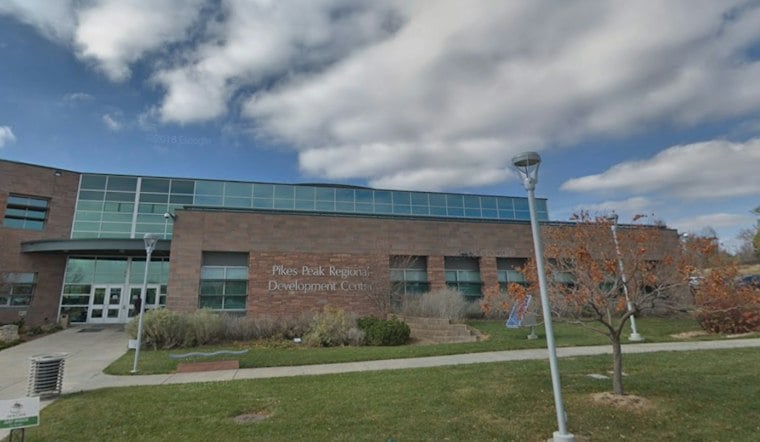
The city received 19 public comments on the project, raising concerns that included energy use, generator emissions, coolant disposal, noise and possible effects on utility bills, per the Bulletin's reporting. Thursday's appeal hearing is scheduled to begin at 9 a.m. at the Pikes Peak Regional Building Department in Colorado Springs.
The fight over Project Vineyard isn't happening in isolation. The Gazette noted that the appellants' concerns echo those raised against Project Taurus, a separate proposed 50-megawatt artificial intelligence data center in Colorado Springs that would draw roughly 50 megawatts continuously throughout the day during its first year, according to Colorado Public Radio's earlier reporting on that project.
A Statewide Pattern Around Power-Hungry Projects
Colorado Springs isn't alone in grappling with how to handle these facilities. A report from the Romer Institute identified 14 potential policy changes the city could consider as more data centers seek to open there, The Gazette reported. That same report found seven existing data centers already operating in Colorado Springs, with detailed utility-use data available for four of them — the largest of which placed a 6-megawatt load on the power grid and used just under 67,000 gallons of water per day.
Statewide, the trend is accelerating. Eight Colorado municipalities and counties have enacted or are considering moratoriums or caps on data centers, according to The Colorado Sun, which reported that Xcel Energy estimates it will need 2 gigawatts of generating capacity just for data centers by 2030. In the Denver area, a proposed Trident data center in Aurora would carry a total electrical demand of about 500 megawatts, according to Colorado Newsline, underscoring how projects far larger than Project Vineyard are already reshaping the state's power grid conversations.





