

























































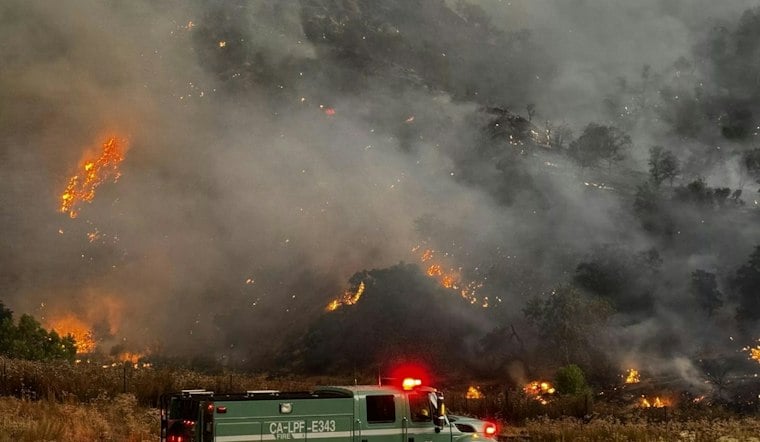
A federal investigation into the wildfire burnover that killed four firefighters in Mesa County, Colorado, has concluded that extreme fire behavior combined with human error and a cascade of communication breakdowns to produce the deadly outcome. Emily Barker, Nick Hutcherson and Sydney Watson died on June 27 when the fast-moving Snyder Fire overtook the Knowles and Gore fires; Nathan Matthews, who was injured in the same burnover, later died of his injuries on July 24. A fifth firefighter was also injured.
The findings were reported by The Denver Post, which wrote that the investigation found extreme fire behavior and human error contributed to the firefighters' deaths. The probe was conducted by the U.S. Department of the Interior into the fatalities and injuries at the Knowles Fire. According to federal officials, the investigation identified six contributing factors: extraordinary fire behavior, strained communications, incomplete situational awareness, jurisdictional complexity, gaps in aerial supervision, and extreme operational tempo.
How the Fire Overwhelmed Crews So Quickly
The Snyder Fire crossed complex canyon and mesa terrain at a speed and scale not previously observed in wildfires in the area before overtaking the smaller Knowles and Gore fires, according to The Daily Sentinel. West-southwest winds gusted up to 50 mph, and fuels were very dry. The Denver Post reported that the Snyder Fire was fueled by extreme drought, scorching temperatures and high winds.
The scale of the growth was staggering: the combined fires covered about 60 acres at 8 a.m. on June 27, but by 7:30 p.m. that same day they were burning more than 28,000 acres, per the Daily Sentinel's review of the report. That update from federal investigators was explicit that its information was preliminary and did not represent final findings or conclusions, a caveat that underscored how fast the picture was still changing even weeks after the tragedy.
Radios, Staffing Gaps and a Blind Spot in the Air
Months later, the fuller investigation pointed to breakdowns far removed from the flames themselves. Aging radio infrastructure, network saturation, and a vacant telecommunications position produced unreliable radio coverage, missed weather broadcasts, and forced heavy reliance on personal cell phones, according to Colorado Public Radio. The same reporting found that resources assigned to the Snyder and Jones fires were unaware of where the Knowles and Gore firefighters were positioned relative to those larger blazes — a gap in shared awareness that left crews exposed as the fire fronts converged.
An earlier 24-hour report from the U.S. Department of the Interior, Office of the Secretary, described the immediate toll: two firefighters were transported to the hospital with burn injuries, and three were fatally injured in the initial burnover. The report identified several contributing factors in the burnover.
A Call to Remember
Interior Secretary Doug Burgum called on firefighters nationwide to apply the lessons from the investigation in honor of Barker, Hutcherson, Watson and Matthews. “It is our duty to always remember their service and sacrifice,” Burgum said.





