

























































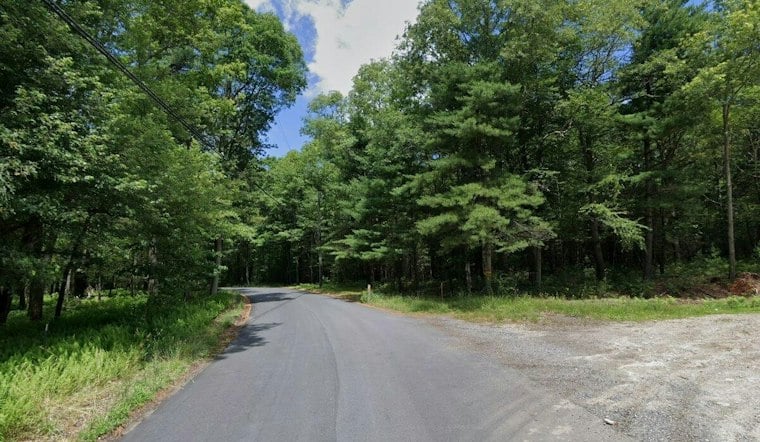
Connecticut has a new place to cast a line or watch for wildlife: a 643-acre stretch of forest, wetlands and four lakes in Killingly called Quanduck Brook Wildlife Management Area. The property, located at 711 Bailey Hill Road, is now open to the public for outdoor recreation, including fishing and hunting opportunities, according to the seed facts behind this report.
A New Addition to the State's Wildlife Lands
The state's acquisition of the land was reported by the Hartford Courant, which reported that the Department of Energy and Environmental Protection announced the acquisition of 642.9 acres of wildlife habitat and wetlands with the intent to establish a new Wildlife Management Area. The site offers a varied landscape encompassing forests, wetlands and four lakes ranging in size from 7 to 41 acres, and it supports a rich array of plant and animal species, according to portal.ct.gov.
The Quanduck Brook name refers to the “long brook” that runs along the property's eastern border, and that brook flows into the Moosup and Quinebaug rivers. DEEP has said that safeguarding this land protects water quality, biodiversity and natural carbon sequestration, and the agency has noted that waterbodies and wetlands help maintain healthy watersheds, filter pollutants and provide wildlife habitat.
How the Land Was Paid For
The Quanduck Brook acquisition was funded largely through a Federal Aid in Wildlife Restoration Program grant, which is part of the U.S. Fish and Wildlife Service, per DEEP. That federal support helped push Connecticut's wildlife management acreage to roughly 35,000 total acres statewide, a figure the Courant's report attributed to the agency. The Killingly site has been described as one of the largest wildlife management areas in the state's northeast corner, per the same Courant account.
Wildlife management areas differ from state parks in purpose: they are managed primarily by DEEP's wildlife division for the conservation of both aquatic and non-aquatic wildlife and are intended to sustain or improve biodiversity, while state parks are aimed mostly at human recreation. Teresa Clark, supervisor for DEEP's wildlife division habitat program, has said Connecticut has 109 wildlife management areas located throughout the state, with most of that acreage concentrated near the shoreline. These areas range in size from a few acres to several thousand, and they offer recreational opportunities including hunting, fishing and hiking.
What's Open Now, and What's Coming in 2027
Visitors can use the Quanduck Brook property now for fishing, hunting and wildlife observation, according to a DEEP statement. For the remainder of the 2026 hunting season, the area will allow archery deer season, muzzleloader deer season, archery turkey season, small game hunting and waterfowl hunting.
Bigger changes arrive in 2027. Shotgun lottery deer hunting and all other regulated hunting will be allowed at Quanduck Brook starting that year, with the 2027 deer lottery opening on January 4, 2027, at 9:30 a.m. through DEEP's online outdoor licensing system. Trapping will be permitted starting with the 2027-28 season, which opens in fall 2027.
Part of a Broader Conservation Push
The addition comes against a backdrop of rapid land development across Connecticut. Developed land in the state has increased by approximately 20% over the last 30 years, while the population has only grown by approximately 11%, according to the Courant's reporting. Roughly 93.8% of Connecticut's land remains privately owned, underscoring why acquisitions like Quanduck Brook matter to conservation officials working to expand public wildlife habitat.
News of the opening followed a report from The Day, whose headline announced that the state had opened the 643-acre Quanduck Brook Wildlife Management Area in Killingly. For now, the property stands as the newest entry in a patchwork of 109 state-managed wildlife areas spread across Connecticut, offering hunters, anglers and hikers a fresh patch of forest and lakeshore to explore before the bigger hunting changes take effect in 2027.




