

























































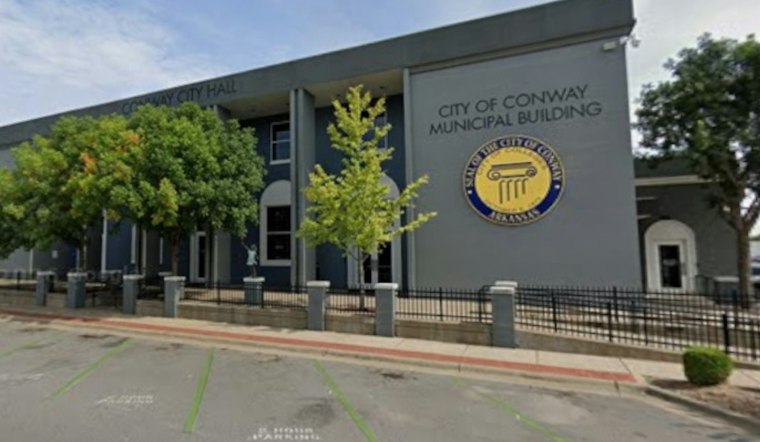
Conway City Council gave final approval Monday to the Mill Pond planned development district, clearing the way for a mixed-use project that will bring shopping centers, restaurants and hundreds of apartments to a 67-acre site near Mill Pond Road, Camelot Street and Highway 501. Council members also voted 7-0 on the first reading of two ordinances that would create a tax increment financing district and a municipal improvement district to help pay for roads, utilities and other infrastructure tied to the project.
What's Planned for the Site
The approved concept includes roughly 290,000 square feet of commercial space, multiple restaurants and 236 multifamily housing units spread across seven apartment buildings, according to MyHorryNews. That figure differs from an earlier report by the Post and Courier, which described the project as including 230 homes; the discrepancy between the two unit counts has not been explained. WPDE reports that project proponents worked with the city for more than a year to make the planned development possible, and the proposal still faces opposition from neighbors.
The development is also expected to bring new traffic infrastructure to the area, per WPDE's reporting, including two new traffic lights at Camelot Road and Highway 501/Church Street, plus a signal at Mill Pond Road and the city-owned dirt road leading to the water tower. The city and developer are also planning to partner on a pocket park on land below that water tower.
How the Financing Would Work
The tax increment financing district would let Conway continue collecting property taxes based on the property's existing assessed value, while new tax revenue generated by the development goes into a separate fund dedicated to public improvements such as roads, water and sewer lines, park amenities, stormwater facilities and street lighting, WPDE reports. At full buildout, the TIF plan projects about $526,422 in annual revenue and $11.74 million over its collection period, which is expected to last roughly 25 years, according to the same MyHorryNews report. The plan estimates roughly $12 million in TIF debt once financing costs, capitalized interest and reserves are included, with public improvements under that district pegged at $10.24 million.
The municipal improvement district covers about 51.12 acres within the larger development and is tied to a 30-year agreement, per WPDE's account. Improvements under that district — including storm drainage, water and sewer facilities, traffic signals, roads, sidewalks, street lighting, landscaping, irrigation and right-of-way work — are estimated to cost $6.8 million, with roughly $3 million of that funded through district assessments or MID-supported bonds, not counting inflation or financing costs, according to WBTW.
Officials Defend the Deal
Charles Rhodes told the council that Conway can independently approve the TIF plan, and said the TIF and MID together would generate enough money to reimburse the developer for the vast majority of the infrastructure costs, the station's report notes. The city has agreed to additional incentives to reimburse project builders as part of the development agreement, and the financing districts are intended to reimburse the developer responsible for the public improvements supporting the project.
Councilman William Goldfinch pushed back on any suggestion that taxpayers elsewhere in Conway would be covering the cost. “This is not being subsidized outside of that footprint,” Goldfinch said, according to the same account, adding that the new development itself will pay for the development happening there.
Pushback on Wetlands, Flooding and School Funding
Not everyone is on board. Residents and conservation groups have raised concerns about wetland impacts, traffic and flooding tied to the project, according to Citizen Portal. Conway has previously needed sign-off from Horry County and Horry County Schools for large TIF-supported projects, and the school district has not been fully on board with the city's financing approach in the past — it objected to a prior Conway TIF funding plan, saying it could divert funds meant for Horry County Schools. The district said at the time that it remained open to discussing options further but did not feel that plan was in the district's best interests, per earlier reporting from MyHorryNews.
The growth pressure behind projects like Mill Pond is not abstract for Conway. The city's population grew by about 18 percent between 2020 and 2024, according to Census estimates cited by the Post and Courier, a pace that has fueled demand for new housing and retail along corridors like Highway 501. For now, the Mill Pond financing ordinances still need two more votes from the city council before they are finalized, per WPDE.





