

























































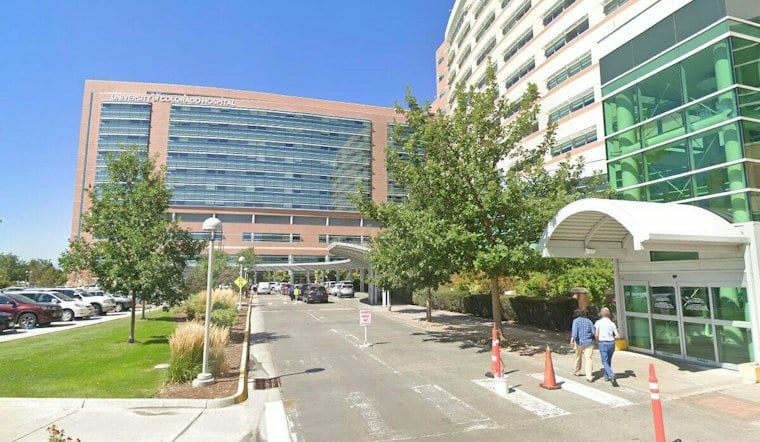
Up to $120 million is headed to CU Anschutz, and the most immediate product is still a research plan. The campus will use a Defense Advanced Research Projects Agency award to judge blood and blood-like products, diagnostics and other approaches for severe hemorrhage, the kind of bleeding that can outrun a refrigerator and a courier.
In an Oct. 13 message, the university said CU Anschutz will receive a federal research award of up to $120 million from DARPA and called it the largest federal research grant in campus history. A campus account described the same award as running over three years, with the work aimed at technologies and therapeutics for severe bleeding rather than a single finished substitute.
Five Days, Then the Clock Wins
The practical problem is storage, not a shortage of slogans. The American Red Cross says most whole-blood donations are spun in centrifuges into red cells, platelets and plasma. Red cells go into refrigerators at 6ºC for up to 42 days. Platelets sit at room temperature in agitators for up to five days. Plasma and cryoprecipitate can be frozen for up to a year.
Hospitals typically keep some units on the shelf and may call for more at any time. That system works until the shelf is thin and the patient is far from it. In late July, The Guardian reported that the Red Cross had declared its second-ever national blood supply crisis after donations fell to a four-year summer low. The organization said it had less than a one-day national supply of type O-positive blood, blamed lower donor turnout on extreme heat, poor air quality and widespread foodborne illnesses, and faced higher hospital demand during summer trauma season.
Eleven Products, One Gate
CU Anschutz is not building the products. The chancellor's message put the assignment plainly: the campus role includes evaluating new blood and blood-like products, diagnostics and other approaches, then moving those that meet rigorous safety and performance standards toward clinical trials. Nothing in the university's account establishes that any particular product has cleared that gate.
Campus reporting says Anschutz expects to evaluate as many as 11 products over three years instead of betting the award on one technology. The first year is laboratory and translational research. What happens after that may depend partly on how the products perform and on decisions DARPA still has to make.
If the work does reach patients, it will not stay inside a research office. The university said it will work closely with UCHealth University of Colorado Hospital on the clinical components. The Combat Medicine Research Center and the Department of Emergency Medicine's ATLAS Research Program are slated for central roles.
Dried Bags by 2029, and a Cautionary Trial
A related military push is already on a shorter public clock than a three-year evaluation. MIT Technology Review reported that DARPA launched a $73 million program called RAPIID to develop shelf-stable versions of plasma, platelets and red blood cells, with a goal of having bags of dried blood products deployed in the field by 2029. That is a development program with a field target. The Anschutz award, as the campus has described it, is the slower job of testing what shows up.
Anschutz researchers are already looking at one way to move a dried product when an ambulance cannot. In a separate campus account, they are studying whether drones can deliver freeze-dried plasma to critically injured patients when conventional transportation cannot get them to a hospital quickly enough. An initial observational study of 26 Ukrainian military patients who received freeze-dried plasma found a 24-hour survival rate of 100%. The researchers cautioned that the study cannot show the plasma caused that result.
Blood substitutes also have a body count worth keeping next to the funding announcement. Technology Review recounted a clinical trial of the hemoglobin-based oxygen carrier HemAssist in which 24 of 52 recipients died, compared with eight of 46 people in the control group. An FDA page stated that, as of April 30, 2018, no hemoglobin-based oxygen carriers had been approved for use in humans. That dated statement does not establish whether any are approved now.
The near-term consequence is a year of lab and translational work, then a filter. Products that miss the safety and performance standard do not advance toward trials at University of Colorado Hospital. The award can buy a verdict. It does not put a substitute on the shelf.




