

























































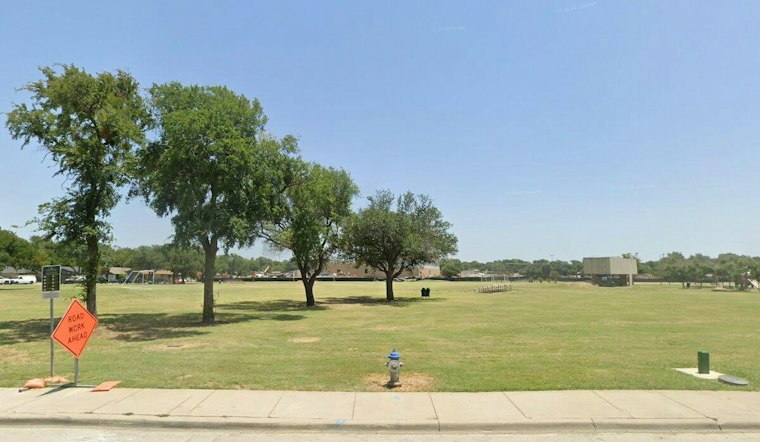
What started as a practical fix for crumbling, outdated park shelters in Dallas has quietly grown into a collection of contemporary architecture. The Dallas Park and Recreation Department launched the effort in 2003 to replace decaying pavilions across the city, and over the following decade it reshaped dozens of neighborhood parks with striking new structures designed by architects from Dallas and beyond.
A Bond-Funded Overhaul Takes Shape
The scope of the project was ambitious from the start: architects were invited to design new pavilion structures in 32 of the city's public parks, according to Snøhetta. Dallas had bond programs in 2003 and 2006, and voters approved the 2006 program.
Kriston Capps, a staff writer and editor for Bloomberg CityLab, revisited the program this week in Bloomberg's design newsletter, which focused on Dallas's pavilion network.
College Park's Snøhetta Collaboration
One standout entry came in southern Dallas, where the Norwegian firm Snøhetta teamed up with Dallas-based Architexas to design the pavilion for College Park. Beyond the shelter itself, the design team redesigned the children's play area, added modern play equipment, upgraded the site's landscaping, and created a screen to hide the park's portable toilets, per the firm's project description. The College Park Pavilion was completed at a cost of $305,000, the same article notes, making it the 25th structure finished under the citywide program.
Awards and a Premier-Park Ambition
The program's architectural ambitions were recognized beyond Dallas. The pavilion at Webb Chapel Park in North Dallas, a boxy concrete structure designed by the New York firm Cooper Joseph Studio, received a national American Institute of Architects award in 2013, per the same account. That recognition underscored how a project born out of basic maintenance needs had evolved into something architects elsewhere were watching closely.
Dallas's Renaissance Plan, adopted in 2002, established the parks department's goal of building a premier park system in the United States, according to a city capital infrastructure briefing.




