

























































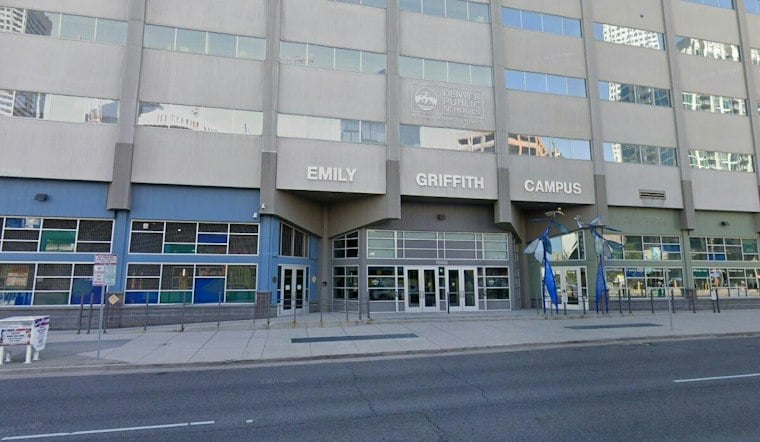
Denver Public Schools enrolled just 233 new-to-country students this fall, a steep fall from the more than 1,470 who showed up in classrooms during the fall of 2023. That amounts to an 84% decline over three years, according to 9News, and it marks the latest sign of a dramatic reversal from the migrant arrival wave that reshaped the district just a few years ago.
Andrew Huber, DPS executive director of enrollment and campus planning, said the district has now lost more new-to-country students than it has gained for two straight years, with the trend picking up speed over the past 12 to 18 months. The pattern looks nothing like the 2023-24 school year, when Huber said more students were entering the district than leaving the country. According to The Denver Post, the counts cover different periods: more than 570 immigrant students left DPS in the first month of this school year, while 233 new arrivals enrolled in the first five weeks.
A School Built Around a Surge That Has Since Faded
Nowhere is the shift more visible than at Garden Place Academy, which offers English/Spanish instruction. During the surge, the school welcomed more than 80 newly arrived students, most of them from Venezuela, Colombia and El Salvador.
Three years later, Rentería said, most of those families have moved on — many relocating to other states because of housing costs. Only one or two of the original surge families remain enrolled at Garden Place Academy today. Even so, Rentería said the cultures of the families from Colombia, Venezuela and El Salvador continue to be reflected in the school's teaching and events, leaving a lasting impact even as enrollment has thinned.
The enrollment drop has forced Garden Place Academy to combine grade levels over the past three years, an arrangement that requires teachers to juggle multiple grade levels and curricula at once in a single classroom.
Why Fewer Students Means Less Money
The stakes go beyond a single school's classroom logistics. Colorado funds districts through a per-pupil system, so declining enrollment can directly reduce the money a school receives — the opposite dynamic from 2023, when the migrant surge was expected to bring DPS more per-pupil state funding and additional dollars targeted at English language learners the following year, per Chalkbeat's reporting at the time. That 2023 wave brought in 747 new elementary-age students from other countries alone, with roughly a third of all new arrivals coming from Venezuela, Mexico and Colombia — a 76% jump over the prior year.
The reversal has not been limited to immigrant enrollment. District enrollment overall fell by 1,780 students this fall, about 300 more than officials had anticipated, the same Denver Post report found. DPS enrollment peaked in 2019 and has been sliding since, with last fall's count down roughly 1,200 students.
A Districtwide and Statewide Slide
Births peaked in the early 2000s and have declined since, shrinking the pipeline of future students regardless of migration patterns. Chalkbeat has reported that district officials cite lower birth rates, high housing prices pushing families out of the city, and the decline in immigrant students as the key factors behind the broader enrollment slump. DPS's own five-year forecast predicts enrollment will fall another 7% by 2030, mainly because of lower birth rates, according to Colorado Parent.
The pressure is not unique to Denver. Statewide, Colorado public schools lost more than 10,000 students during the 2025-26 school year, the sharpest single-year drop since the first year of the pandemic, per the same outlet's reporting. DPS, the state's largest district, has already closed or partially closed 13 schools for low enrollment over the past three years, and CBS News Colorado has reported the district faces a $28 million structural deficit over the next five years. For a school like Garden Place Academy, the numbers translate into something more immediate than a budget line: fewer students in the hallways, combined classrooms, and a community still shaped by families who, for now, have largely moved on.




